Skip to content

Dil ki Baat · Apr 27, 2026 · 41:09

This is a hundred-year cycle, not a recession

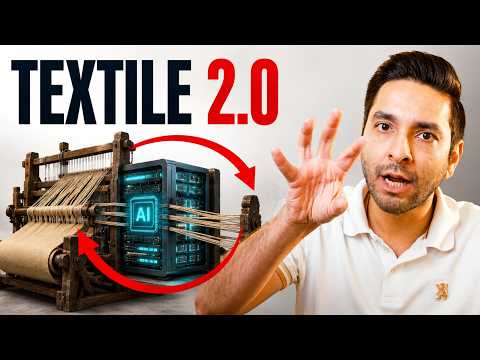
Muzamil argues the next five years look like a Great Depression-scale downturn, and explains why he traded outward ambition for family.

8 min read

The problem with success stories on social media

Muzamil starts with a disclaimer. Much of his recent content has featured success stories, people who changed their trajectory after watching his podcast and ended up studying or working abroad. He is glad those stories exist, but he worries about what they do to expectations. Success is slow, built on patience, and social media strips that out. What travels instead is hustle culture: get-rich-quick framing, oversized numbers, the promise that a course or a mindset shift turns into millions. Muzamil admits he has fed that machine too, since bigger claims get more views. The cost is that people’s expectations of what effort should return become detached from reality, right as the underlying reality is getting harder.

Change is always painful, even when it’s overdue

The core of this video, Muzamil says, is that people assume the world evolves gently, that today’s systems will keep improving in a straight line. They underestimate how disruptive change actually feels when it arrives. “Change, whenever it happens, is always painful,” he says, and points to something as small as an uninvited guest disrupting a daily routine. Extrapolate that discomfort to entire economies and regions, and the disruption scales with it. What makes this moment different, in his view, is the speed: geopolitical, economic, financial, and technological shifts are compounding faster than most people’s expectations were built to absorb.

Muzamil admits the video almost took a different shape. He had been drafting two separate scripts, one about the medium term, 2030 and beyond, where he genuinely sees the world heading somewhere better, and one about the short term, 2026 to 2030, where he sees things getting considerably worse. He scrapped the split because he knows how audiences read forecasts: tell people something good is coming and they hear “the party is about to start,” tell them something bad is coming and they hear “total collapse.” The truth, he says, sits in between, which is why he wanted to lay out his full framework rather than a soundbite.

His track record on Pakistan’s economy

Before laying out his thesis, Muzamil establishes why he thinks he has earned the right to make this claim. In 2023 he repeatedly warned that Pakistan was heading toward an economic crisis, and was mocked for it, accused of being a political operative or a PTI supporter pushing “bankrupt country” talk. He also went on Naeem Sikandar’s podcast and predicted that 2025 and 2026 would bring serious volatility for Pakistan, including a potential water crisis, and was clipped and ridiculed for it at the time. Within a year, Pakistan’s own defense minister, finance minister, and prime minister were using the same language, admitting the country had come back from the edge of bankruptcy after repaying loans, including to the UAE, under genuinely difficult conditions. Muzamil’s point was never partisan. It was structural: debt rolled over rather than repaid is functionally a default, and the large external inflows officials kept citing from multilateral lenders and Gulf states never materialized at the scale claimed. “Pakistan was technically bankrupt, because when you roll over your debt, you are already bankrupt,” he says. He is not claiming credit for calling politics. He is claiming credit for reading the numbers correctly, including his early warnings about de-dollarization and America’s own fiscal position, when people around him were reading the news cycle instead.

Three forces reshaping the world, and geopolitics leads

Muzamil frames the current moment as three overlapping shifts: geopolitical, financial, and technological. Geopolitics comes first. “The US is a declining power, China is a rising power,” he says, and argues this is simply how history works: superpowers rise, establish a period of relative stability, and eventually decline while a challenger emerges. The last thirty years of relative global order were the tail end of an unusually dominant American cycle. What looks like isolated flashpoints today, Iran, the Strait of Hormuz, the Strait of Malacca, a new US defense arrangement pulling Indonesia closer, are in his reading all proxy fronts in a single conflict between Washington and Beijing. The free flow of trade that an entire generation grew up assuming was permanent is no longer guaranteed. Goods get delayed, blockaded, or rerouted in ways that simply did not happen for the past several decades.

A financial system running on borrowed time

The second force is financial. Governments are overextended, and Muzamil is blunt about what that means in practice: borrowing in your own currency does not remove the cost, it just defers it onto a future generation, until inflation eventually forces a reckoning. He points to Japan’s yen carry trade, cheap borrowing in Japan converted into dollars and parked in US markets, as a structure now unwinding as Japanese inflation forces rate hikes. He points to the UAE requesting US dollar swap lines, not because it lacks assets, but because its currency peg and falling regional revenue are forcing it to consider selling down its US market holdings to defend the peg, a move that would itself hit US markets. Asset prices, in his view, are inflated by the same easy-money conditions across real estate and equities globally. He is explicit that he thinks artificial intelligence is a real and powerful technology, but that its financing is a bubble: executives like Oracle’s CEO and Elon Musk have borrowed heavily against their own stock to fund infrastructure bets that assume near-term breakthroughs he does not think are coming on that timeline.

When economies break, wars often follow

Muzamil connects this to history. The Great Depression did not just cause hardship, it fed the nationalism that led into World War II, because governments under pressure look for somewhere else to point the anger. He worries the same dynamic is forming now, specifically around India, where fuel and fertilizer shortages threaten a food crisis. Under that kind of domestic pressure, he argues, a government has every incentive to manufacture a conflict, whether with Pakistan or elsewhere, because war is the easiest way to hold onto control when a population turns against its leadership. He draws the same parallel with Netanyahu, whose political survival depends on the war continuing, and with the war in Ukraine sustaining a leader who is not democratically accountable in the usual sense. None of this is a prediction that conflict will happen, Muzamil is careful to say, but the risk is materially higher than people are pricing in.

Why he moved inward instead of chasing more

Muzamil turns to his own life, describing a generation, his own, raised inside a zero-interest-rate world where startups, easy capital, and constant comparison on social media made every achievement feel insufficient. He recalls being told at a conference to build a startup, to chase something bigger, and politely declining. “I have to learn to be happy with less,” he says, describing it as a deliberate mental exercise, not resignation. His explanation for staying close to family in the US, despite believing it is a declining empire and despite Pakistan and Dubai offering more comfort and household help, is straightforward: when the world outside gets harder, the return on outward ambition drops and the value of relationships does not. He has talked to enough wealthy, successful people to notice that money alone did not give them the calm they were chasing.

The real damage is psychological, not financial

Muzamil draws a distinction he thinks most people miss. When he was in the US during the 2001 dot-com bust, he watched people close to him get hit and never fully recover, not because the losses were unrecoverable, but because they treated the downturn as a personal failure rather than a systemic one. He saw the same pattern in 2008. People kept telling themselves the layoff or the loss was their own fault, that they simply had to work harder and hit back bigger, instead of recognizing that the ground had shifted for almost everyone at once. He expects the same mistake this time, at larger scale. In his estimate, out of a hundred people living through this cycle, roughly ninety-six will take a real hit, job losses, falling asset values, reduced purchasing power, and the danger is that each of them will quietly conclude the problem is them, while social media keeps showing everyone else’s party continuing uninterrupted. That, more than the economic loss itself, is what he calls damaging.

How he’s actually preparing

His practical framework is deliberately modest. He is not telling people to abandon plans, applying for a master’s degree or a job is still worth doing, but to seriously examine how much risk sits underneath those plans. “As long as I don’t go into debt, especially institutional debt, because that traps you in quicksand,” is how he puts his own baseline. He wants a roof somewhere, even a small place in a hometown outside the city, as a floor under worst-case scenarios. He uses his own habit of buying Ralph Lauren shirts when money allows and switching to ordinary market stalls when it does not, without embarrassment either way, as his model for keeping a lifestyle flexible instead of locking in a spending baseline he cannot walk back. He also expects a coming scarcity in goods, plastics, fertilizer, aluminum, helium, as supply chains fracture the way his parents’ generation once managed a world of genuine scarcity, where nothing was thrown away because nothing was guaranteed to be replaceable. Muzamil closes by inviting the audience to share how they are preparing, framing the video less as a forecast and more as an honest account of how he has repositioned his own life for a decade he expects to be difficult before, in his telling, it turns sharply better after 2030.

Full transcript
Muzamil

Khawateen-o-hazraat, channel pe wapis aane ka bahut bahut shukriya. Ek aur dil ki baat ke saath aapki khidmat mein hazir hoon. Sabse pehle toh aap title dekh kar aaye honge, uske liye maazrat. Maine thoda sa over-the-top title rakha hai because I feel like this is a very, very important video. Specifically, because mere is channel ke upar maine zyada tar zahir hai podcast ki commentaries toh main bahut recently start kar raha hoon. Aur uske andar maine bahut zyada success stories aapke saath share ki hain. Kafi logon ko usse fayda bhi hua. Mujhe bahut saare DMs aate hain, even recently mujhe aaya, jispe logon ne kaha ki bhai aapne jo different podcasts cover ki, uski wajah se mujhe bahut seekhne ko mila aur maine apni life ki trajectory change ki aur usse mujhe over time, you know, bahut zyada decision making mein fayda hua. Bahut saare mujhe America mein log milte hain, jo kehte hain ki ji humne teen, chaar saal pehle aapki podcast dekhna shuru ki thi, uski wajah se hamara vision life ke liye badla aur phir humne masters ke liye apply kiya, different cheezein ki aur aaj hum America mein, hum soch bhi nahi sakte the. So, that's very good. Lekin I feel like ke ek bahut chota segment hai of the viewers, jo ke us cheez ko samajh pata hai ki jab ek success story share ho rahi hai, toh zahir hai limited time ke andar aapko ek summarized version uska milta hai, lekin success jo hai woh ek badi patience ke saath, ek perseverance ke saath karne wali cheez hoti hai aur usme slow and steady aapko chalna hota hai aur aap kisi ki success story se certain cheezein toh aap le sakte hain, lekin zindagi itni aasaan nahi hoti. Zahir hai ki podcast itself ek long format content hai aur uske andar kafi depth hoti hai, lekin generally agar aap internet ke upar bhi dekhein, toh aapko ek bahut hustle culture, ek get-rich-quick wala system bahut zyada milta hai aur bahut zyada viral bhi hota hai. Aur wajah uski yeh hai, even main khud commentaries karoon ya podcast karoon, jab main paise kamane ki baat karta hoon, jab main khaskar yeh boloon ki you know itni aasani se paisa kama liya, bada number phenkta hoon, toh zyada viewership aati hai, zyada log uski taraf attract hote hain. Is saari cheez ka nuqsan yeh hai ki hamari jo expectations develop hona shuru ho gayi hain from from social media, chahe woh you know different success stories sunke hon, chahe woh different influencers ko follow karke hon, jo aapko bata rahe hain ki bhai you know aap paise kamao aur hustle karo aur bas mehnat karo aur aise ho jayega aur you know bahut aasaan hota hai aur yeh course le lo aur yeh cheez seekh lo aur paisa double ho jayega aur millions aur trillions ki baatein ho rahi hain. Toh I feel like usse aapki expectations bahut zyada kharab ho jaati hain. Masla thoda sa yeh hai ki recently main khud bahut zyada evolve hua hoon. One of the reasons why main commentaries ab bahut zyada karna shuru ho gaya hoon, kyunki main barha is channel pe aapko bata raha hoon ki mujhe lagta hai duniya bahut zyada badalne wali hai. Ab duniya ka jo badlao hai, usko log samajh nahi paate. Logon ko lagta hai ki bhai theek hai, zindagi jis tarah chal rahi hai, aahista aahista evolve hoke duniya badal jayegi aur you know jaise achha chal raha hai, waise hi achha chalta rahega aur jo naya badlao aayega ya naya change aayega, usme aur bhi zyada duniya behtar ho jayegi. Halanki log yeh realize nahi karte ki change jab bhi hota hai na, toh woh hamesha painful hota hai. Yeh aapki daily life mein bhi aisa hi hota hai ki aapki ek life generic chal rahi hoti hai, aapko thodi si bhi uske andar agar inconvenience daalni pade, usme kuch system change ho jaye, aapke koi you know koi random bin bulaye mehman aa jaye aapke daily routine mein, toh it is annoying, it is uncomfortable, kyunki aapka jo system hai woh break hona shuru ho jaata hai. Toh isi tarike se jab isko aap extrapolate karte hain aur ek macro environment ke andar, countries ke andar, regions ke andar changes aa rahi hoti hain, economies mein changes aa rahi hoti hain, toh it is very painful, particularly when you don't expect those changes. Um, and khaskar jis qisam ke changes abhi aa rahe hain, chahe woh geopolitical hon, chahe woh economic hon, chahe woh financial hon, chahe woh technological hon, toh woh kafi zyada speed se aa rahe hain aur woh kafi zyada jo hamari expectation hai growing up, usse bar-aks aa rahe hain. Toh anyways, is video ko banane ka maqsad khaskar yeh hai ki aane waale dino mein main aapko dono sides bahut detail mein share karne laga hoon. Main kafi scripts bana raha tha aur main wohi share karne laga tha ki mujhe kya lagta hai aane waale dino mein kya hoga, khaskar medium term mein 2030 and beyond, jisme duniya ek badi achi simt mein mujhe jaati hui nazar aa rahi hai, toh maine socha uske baare mein baat kar loon. Phir main aur script bana raha tha jo short term ka tha 2026 se 2030 ke darmiyan changes ke baare mein, usme duniya mujhe bahut buri taraf jaati hui nazar aa rahi hai. Maine socha ki yaar uske baare mein bhi main baat karunga. Lekin jab main yeh bana hi raha tha, mujhe khayal aaya, maine kaha yaar masla yeh ho jaata hai, log itna zyada black and white lete hain ki agar aap batayenge na ki yaar yeh ek achi cheez ho rahi hai, isse bahut fayda hoga, toh logon ko lagta hai ab toh bas party shuru hone wali hai. Jo aap batate hain ki yaar yeh ek buri cheez ho rahi hai, isse ek potential nuqsan ho sakta hai, toh logon ko lagta hai ab sab tabahi ho jayegi. Sach iske kahin na kahin darmiyan mein hota hai. Personally agar main apne content ko dekhun toh main soch raha tha ki kahin mere content se logon ko koi negative impact toh nahi pada and I thought ki yaar aage jo main content bana raha hoon, usse pehle main ek disclaimer bhi share kar doon aur apne saath apna framework bata doon ki main personally kya soch raha hoon, main personally kya kis jagah pe khada hoon, kyunki pehle bhi mere saath yeh multiple times ho chuka hai ki log apne thought processes aur opinions mere pe extrapolate karte hain, jab main kehta tha ki Pakistan ka mujhe lagta hai bahut good scene hai in the longer run, aur short term mein masail aa sakte hain. Main Naim Sikandar ki podcast pe gaya, maine bataya ki yaar 2025-26 ke andar Pakistan ke halaat kafi up and down ho sakte hain, pani ka masla ho sakta hai, waghera waghera. Toh short term mein bade serious masail hain, jinka humein khayal rakhna chahiye hai. Uske upar logon ne bada mazaq udaya, clips bane, logon ne bola ki yaar yeh China ka arastoo aa gaya, yeh aa gaya, woh aa gaya. 2023 mein maine continuously logon ko warn kiya ki ek economic crisis hamare sar pe khada hua hai, jispe bahut zyada Twitter pe khaskar logon ne kaha ki yeh political hai, yeh PTI ka supporter hai, yeh keh raha hai ji country bankrupt ho jayegi. Uske baad barha aapke apne defense minister ne, aapke finance minister ne, aapke prime minister ne jaake bola ki hum ek bankrupt country hain, beggars cannot be choosers aur you know hum bilkul bankruptcy ke dehane se wapis aaye hain. Bata main kya raha tha? Main bata raha tha ki economic halaat achhe nahi hain. Aapne bahut zyada qarze wapis karne hain, jaisa ki aapka UAE ka qarza aaj aapne wapis kiya aur bade tough halaat mein kiya. Usi tarike se aapne pichle do saalon ke andar bahut saare qarze wapis kiye. Ab us time ki government aapko yeh bata rahi thi ki sab kuch achha hone wala hai, ab hum aa gaye hain, sab manage ho gaya hai, election election, chalo bhaad mein, ab sab control ho gaya hai. Woh galat baat thi, jhoot tha. Paisa IFC aa jayega, Saudi Arab se 50 billion aa jayega, 100 billion aa jayega, idhar se yeh paisa aa jayega. Main bata raha tha ki yaar yeh nahi aayega, unrealistic hai. Data aapko bata raha hai ki yeh cheezein nahi ho sakti, halaat kharab honge. Pakistan technically speaking bankrupt ho gaya because jab aap debt ko rollover karte hain, toh aap bankrupt hi hote hain. Aap kehte hain main paise wapis nahi kar sakta toh main rollover kar raha hoon. Woh aapke creditors jo hain, woh phir aapke saath ek sort of deal kar lete hain. Restructuring bhi ho sakti hai, restructuring humne nahi ki. Lekin agar aap usko bhi chhod dein toh aapne agar bacha bhi liya mulk ko kisi tarike se, toh uska ek cost thi aur woh cost yeh thi ki aapne essentially economy ko bilkul hi choke kar diya. Again, main aapki decision making ko question nahi kar raha and many good decisions were made in that time as well. Main yeh batane ki koshish kar raha hoon ya kar raha tha ki yaar economy ke halaat bure honge. Logon ne uske upar bahut zyada aake mujhe show dala ki ji dekho zara, isko yeh toh kehta tha economy tabah ho jayegi, bankruptcy ho jayegi, yeh ho jayega, woh ho jayega. So I feel like ke na bada mushkil hota hai Pakistan mein analysis karna. Agar aap zahir hai agar aap you know views ke khaate mein bas kar rahe hain aaj idhar, kal udhar, do kishtiyon mein sawaar, bas boli jao kuch bhi, toh bada aasaan hota hai. Lekin agar aap genuinely kuch samjhane ki logon ko koshish kar rahe hain, toh it's very tough to to make people understand. But kyunki pehle mere saath ho chuka hai, main bada clearly apni thought processes ko articulate nahi kar saka ya archive nahi kar saka, jiski wajah se bahut saare clowns and jokers aake you know uske baare mein badi baatein bhi karte hain. So I thought ki is baar before I get into anything, main bada clearly ek cheez samjha doon aur usme mera apna jo decision making bhi pichle teen chaar saal ke andar jo badla hai, Pakistan maine kyun choda us time ke upar, 2023 mein, 2024 mein, 23 mein, ghaliban. Phir do saal main UAE raha, phir main US aa gaya. Main kis perspective se apni zindagi jee raha tha? Zahir hai meri ek personal life hai, main koi politician toh hoon nahi ya main public servant toh hoon nahi ki main kisi ko jaake jawab deh hoon. Ek private citizen ki apni marzi hai, woh jahan jaana chahta hai jaye, lekin yeh ki zahir hai ki kyunki main opinions de raha tha, toh logon ne uske baare mein socha ki yaar kyunki yeh at one point keh raha tha ki Pakistan mein yeh success stories hain, toh yeh toh yeh baatein kar raha tha ki dekho Pakistan mein sab achha ho sakta hai, toh yeh khud kyun chhod ke chala gaya? Again, very illogical but irrespective. Aane waale waqt mein jo mujhe lag raha hai aur uske do teen wajoohaat hain, main is video mein aapko explain karunga, usko main explain karna chahta hoon aur usko madd-e-nazar rakhte hue maine apni zindagi kis tarah se plan ki hai, woh bhi main is video mein aapko share karunga. Toh agar samajh aaye toh zaroor is video ko like bhi kariye ga aur apni thought processes zaroor mujhe comment section mein dijiye ga. Faltu ke jo yeh political cultists hote hain, woh aate hain aur aake baatein karte hain ki you know aap toh aise, aap toh waise, woh wali comments not withstanding. Mujhe pata hai ki meri majority audience padhi likhi hai, toh I would love to hear your thoughts in the comment section below about what you think. Jo maine, jo mera ek sort of framework hai ya jo mujhe hota hua nazar aa raha hai. Ab kyun before I get into it ki yaar again title se aapko yeh baat toh samajh aa gayi ki is video mein maine aapko batana hai ki halaat bahut kharab hone waale hain, but kyun mujhe lagta hai ki halaat kharab hone waale hain? Main koi nujoomi hoon nahi, na hi main koi jo hai na sitare dekh ke ya main koi aapka haath ki lakeerein dekh ke bata raha hoon ki halaat bade bure hone waale hain. Main is wajah se bata raha hoon because yeh 2022 se mere saath hona shuru ho gaya tha ki bade bade businessman, bade bade economists mere show pe aate the aur show ke upar woh badi ek napi tuli you know simple si baat karte the, kafi had tak woh aake ek optimistic woh dete the aapko opinion ya viewpoint. Kyunki ek toh halaat bade kharab the political, aaj bhi kharab hain, us waqt bhi kharab the. Aap agar kuch Pakistan mein bolein na ki Pakistan ke halaat kharab ho jayenge, yeh ho jayega, woh ho jayega, bahut quickly aapko ek political worker ka tag lag jayega. Bahut quickly aapko bol diya jayega ki yaar aap toh jo hai na woh bas government ke khilaf hain aur aap jo hai bas woh Imran Khan ke supporter hain aur this and that. Koi rational toh conversation reh hi nahi gayi na, unfortunately. But saath hi jo usme dusra masla tha woh yeh tha ki logon ko na logon se bhi dar lagta hai. So main agar aata hoon aur main aa karke social media pe aake kuch batane ki koshish karta hoon ki bhaiya yeh halaat kharab hain, toh log apni jo fear hai ya apni anxiety hai, woh aa karke aapke upar sort of impose karne ki koshish karte hain, project karte hain. Toh zahir hai jo banda aa raha hai podcast ke upar aur one of the reasons why mujhe podcast se bhi annoyance hona shuru ho gayi thi, ki podcasts ke upar majority jo log aa rahe hain na, woh sirf aur sirf branding ke liye aa rahe hain. Woh koi insight share karne ke liye nahi aa rahe. Puri duniya mein log aate hain, casually aate hain, they don't really care, unke andar ek confidence hota hai, woh kehte hain ki yaar ab meri thought hai, mera ek original thought hai, main usko share karta hoon aur usse log connect karenge, disagree karenge, whatever, it's a conversation starter. Pakistan mein na har koi aata hai, kehta hai yaar main chaar paanch achhi saaf suthri baatein karunga aur mujhe log taaliyan bajana shuru kar denge. That doesn't, obviously, doesn't happen. If you don't have an original thought to share and if you want to be a non-controversial person forever, toh nobody really cares because jo aap baat kar rahe hain, woh banda apne drawing room mein bhi wahi baat sun raha hai. Woh zahir hai ek doghli baat main nahi kahunga, lekin agar aap you know actual feelings ko, actual facts ko chupayenge, toh uska koi fayda nahi hai. Nonetheless, meri podcast pe yeh bahut zyada hona shuru ho gaya. Camera ke upar log aate the, aake kehte the ki business bada achha ja raha hai, duniya badi achhi chal rahi hai. Camera band hota tha aur saath hi log aake bolna shuru kar dete the ki ji bade halaat kharab hain, aisa ho jayega, waisa ho jayega. Yeh jo bankruptcy ki main aapko baat kar raha hoon, yeh mujhe bade bade economists ne bola hai, bade bade businessman ne bola tha us time ke upar, jo saari detail mein aake bata rahe the. Aur us waqt se ab tak zahir hai main kyunki off-camera yeh cheez sun raha tha, toh maine khud bhi research karna shuru ki, prepare karna shuru kiya, phir maine aur bahut zyada analysts ko globally sunna shuru kiya. Main aapko barha bata chuka hoon, Ray Dalio ko main bahut zyada follow karta hoon aur bahut saare aath das log hain jin ko main actively follow karta hoon aur unke main analysis ko padhta hoon, unke main thought processes ko samajhne ki koshish karta hoon aur usse mujhe yeh toh understanding ho gayi hai ki bhai 2030 ka jo 2020 se leke 2030 ka jo pura decade hai na, it is going to be turbulent, it is going to be horrifying for our generation. But kitna woh horrifying hai, uska shayad mujhe itna ehsaas nahi tha, jo ke increasingly ab with every passing day hota ja raha hai and that's one of the reasons why I thought ki yaar is video mein main aapko definitely usse ek toh aagah bhi karoon. Dusra main aapko yeh bataoon ki yaar maine apna mindset kis tarah change kiya, kyunki maine bahut radically apna mindset change kiya. Toh batane ka maqsad yeh hai ki yeh main koi randomly hawa mein fire nahi kar raha, yeh saari ki saari cheezein hain jo ki maine market se uthayi hain, analysts se uthayi hain, read up karke uthayi hain. But is waqt agar aap dekhein toh duniya teen meaningful ways mein badal rahi hai. Ek aapko geopolitics major nazar aa rahi hai. America is a declining power, China is a rising power. Duniya mein jab bhi superpowers ka tabadla hua hai aur yeh pehli dafa nahi ho raha, pichle chaar paanch sau saal ke andar jo hai na consistently different superpowers rise ki hain, different powers fall ki hain aur yeh 500 nahi, again aap history mein back chale jayein toh empires rise and fall karte rehte hain. Jab empire ek rising hota hai aur woh ek overall apna system bana leta hai, toh ek chota sa time of relative peace ka time aapko hamesha milta hai, jaisa ki humne pichle 30 saal mein dekha ki yaar jab US full apni power mein tha, toh duniya mein somewhat ek stability thi. Aap usme bhi keh sakte hain ki Iraq war bhi hui, Afghanistan war bhi hui, lekin overall by and large duniya ek stable condition mein thi, kyunki ek status quo establish tha aur usme koi ajeeb-o-ghareeb qisam ki harkatein nahi ho rahi thi, jo ki hum is time pe dekh rahe hain, ek international law tha, ek system tha. Jab ek superpower jo hai woh declining zone mein hoti hai aur ek aur rise kar rahi hoti hai, toh phir ek conflict emerge karta hai, jo ki again 1991 tak ek cold war ki shakal mein conflict definitely exist kar raha tha, lekin obviously US ki jo overall industrial base thi aur overall power thi, woh bahut zyada thi, USSR ki us tarah se nahi thi. Aaj ki tarikh mein US ek bahut badi you know prevailing superpower hai aur China jo hai woh aur jo ki declining hai aur bahut saare analysts keh rahe hain, yeh koi main koi random baat nahi kar raha aur yeh by the way main podcast mein bhi do teen saal pehle barha logon ko keh raha tha, de-dollarization ki baat kar raha tha, America ka potential ki yaar halaat kharab ho jayenge aur declining empire hai. Us waqt koi meri baat nahi sun raha tha, aaj jab puri duniya keh rahi hai toh chalo gore ki hum baat sun lete hain, maan bhi lete hain, but nonetheless, US ek declining power hai, China ek rising power hai, toh automatically uski wajah se aapko ek conflict nazar aa raha hai. Iran ka conflict is not a not a conflict between Iran and the US, it is directly a conflict between US and China. And obviously US jo hai woh Iran ke saath is waqt pange kar raha hai kyunki usse China impact hota hai. Again, straight of Hormuz ka block hona is a direct impact to China. Saath hi agar aap dekhein sirf yahan par nahi ho raha, straight of Malacca jo ke bahut bada hai in terms of the volume of oil and trade that passes through it aur uska direct impact bahut major Far East Asia ko toh hota hai, lekin China ko particularly hota hai. Uske upar US ne recently jaake ek defense deal bhi ki, uske upar jo Indonesia ki government hai, woh ab they are considering ki wahan par toes laga diye jayein aur wahan par things are heating up as well. Again, hamara status quo jo humne puri growing up dekha, woh yeh tha ki free flow of trade hogi, sab kuch aasani se you know idhar se mangwayenge, udhar pahunch jayega. Beshak uske upar customs lag jayegi, kuch countries mein tax hai, kuch countries mein tax nahi hai, lekin maal pahunchta tha. Ab hum dekh rahe hain ki yaar maal hi nahi pahunchta, darmiyan mein jo hai na phadde chal rahe hain, blockades hain waghera waghera. This is something that has changed that did not happen in the last 20, 30, 40 years. Similarly, jahan par yeh geopolitical tensions chal rahi hain, wahan par finance ke upar main aapko barha batata raha hoon ki sovereign debt crisis hai. Bahut overextended hain governments, unhone bahut zyada qarza liya hua hai. Qarza lena basically kya hai? Log kehte hain ki yaar apni currency mein liya hai, kya farq padta hai, paisa print kar lenge, but itna aasaan nahi hota. Aap apni current jo generation hai, usko ayashi karate hain, future generation ko qarze mein daal ke aur woh aap kari ja rahe hain, kari ja rahe hain, kari ja rahe hain, but ek point pe woh itna zyada ho jaata hai ki usse phir agar aapko nikalna hai toh phir aapko inflation laani padti hai aur aapki usse puri economic jo jo baseline foundation hai, woh phir hil jaati hai aur halaat bahut zyada kharab ho jaate hain. Toh jo bade bade mumalik hain, khaskar jo developed mumalik hain, jo ke humein laga ki unki badi ayashi chal rahi hai, badi party hai, dekho unka system kitna zabardast hai, woh qarze pe chal rahe the aur unhone bahut toh unke qarza liya aur apne aap ko ayashi toh kara di, lekin ab unke halaat tight hona shuru ho gaye hain, ek overextend hona shuru ho gaye hain aur yeh Europe ka bhi pura yahi haal hai, yeh America ka toh khaskar yeh haal hai, jo ke duniya ki sabse badi consumer market hai. Toh uske andar potentially short to medium term ke andar correction keh lein usko ya uske andar you know us cheez us situation ko fix hona hai, lekin us fixing ke andar bahut major implications for the global economy and global business aayengi. Saath hi economy ki agar hum baat karte hain toh is waqt jo hai assets prices aapki chahe woh real estate ho, chahe woh stock market ho, jo overall puri duniya ki woh bahut pump hui hui hai. Kaise pump hui hui hai? Again, money printing ki wajah se, zero interest rate environments ki wajah se, but saath hi Japanese yen carry trade agar aapne dekha ho toh woh basically Japan ne Japan se logon ne qarze le le ke kyunki wahan pe interest rate zero tha, usko dollar mein convert karke US market mein dala hua hai. Woh ab zahir hai Japan mein inflation aana shuru ho gayi hai, khaskar ab yeh with oil crisis as well, further unke inflation aa rahi hai, toh ab sunne mein aa raha hai ki ji wahan par interest rates badhenge. Jab woh interest rates badhenge toh suddenly woh carry trade unwind hoga, usse stock market ko impact padega. Saath hi agar aap UAE ka aapne recently suna ho ki unhone US se kaha hai ki ji aap swap lines kholein aur aap humein US dollar ki liquidity dein. Ab woh kyun dein? Log keh rahe hain ki yaar dekho zara unke paas toh itna paisa hai, 2 trillion dollars ke unke assets hain, unko thodi zaroorat hai paison ki aur waghera waghera. But aap again uske underlying reasoning nahi samajh rahe. Woh jo 2 trillion dollar assets hain, woh saare invested in the American markets. Agar unka kyunki unke currency pegged hai to the dollar, agar woh currency peg ko unhone aur dollar unke paas aa nahi raha, unke revenues are down 50 to 60% since the you know war has happened, toh agar unhone apni currency ko maintain karna hai, toh unko dollar chahiye. Dollar kis tarah lekar aayenge? Woh apne assets bechenge, yani ki US stocks bechenge, US stocks bechenge, US stock market collapse karegi. Toh uski wajah se US ne ek desperate measure mein swap line toh khol di hai, lekin yeh koi hal nahi hai. Yeh desperate measures hain, jo ke last leg of a declining empire ko ka dikha rahe hain aapko ki yaar kya you know halaat itne ho gaye hain ki ab aap chepiyan lagate phir rahe ho left, right and center. Again, is tarah ki bahut saari examples hain, you know bade bade jo aapke businessman hain, Oracle ke CEO hain, even Elon Musk, inhone apne stock prices ke ewaz debt nikala hua hai, us debt se unhone companiyan kharidi hui hain, usse woh ajeeb-o-ghareeb qisam ki investments kar rahe hain. AI ka ek bubble bahut bada bana hua hai. Main khud bahut zyada is cheez ka qail hoon ki yeh ek bahut zabardast technology hai aur usse bahut zyada impact padega, lekin jis tarah yeh becha gaya hai to investors, jinko koi idea nahi hai ki yeh technology kaam kis tarah karti hai, they have been sold the idea ki do teen saal ke andar kuch bahut bada magic ho jayega, jo ke nahi hoga. Is cheez ke upar already puri again ek video karunga ki actual mein AI ke upar chal kya raha hai, uski hardware implications kya hain, LLM itself jo technology hai, uski implications kya hain, world models ki technology ki implications kya hain, but what you need to understand is ki AI is inherently in a bubble and yeh pehli dafa nahi ho raha, yeh dot com ke time pe bhi hua tha, yeh isse pehle bhi multiple times ho chuka hai. Jab bhi ek nayi very useful, very powerful technology aati hai, toh usme hamesha overextend hoti hai cheez kyunki usko jo hai na uske upar aaram chuna lagana aasaan hota hai, toh isse chuna lag chuka hai. But bahut saare CEOs ne Oracle ke CEO ki badi zabardast kahani hai kyunki unhone toh unke apne stock price ke ewaz qarza liya hua hai, jisko woh use kar raha hai data centers banane ke liye aur usne bahut badi bet le li hai paisa double karne ki, lekin agar markets collapse karti hain, stock prices girti hain, toh uski positions liquidate hongi aur woh essentially bahut bure halaat mein jayega. I am not going to use the word bankruptcy, but you know maine kal ek bahut bada detailed analysis padha jiske upar you know he is under a lot of water and a lot of billionaires are under a lot of water. So you know we think ki yeh jo bade bade log hain, inko sab pata hai, yeh sab manage kar lenge, but 2008 ka crisis jo recession ka tha, woh hamare saamne hai. Pakistanion ko shayad utna uske baare mein ilm na ho kyunki us time ke upar hum itna globally connected nahi the, hamari markets itni globally connected nahi thi, toh humein itna farq nahi padha. Waise toh logon ko pata hi hai, lekin still personally daily life mein itna farq nahi pada. Aaj Pakistan badi ek different situation mein hai, bahut globally connected hai aur agar aur khaskar jo is waqt masla aane wala hai, woh toh log keh rahe hain it's not going to be a recession, it's going to be like the Great Depression jo 1929 mein hua tha. Again, 1929 ke Great Depression ki wajah se jo economic crisis hua, a lot of that was the reason why eventually World War II hui aur woh jo puri khap hui kyunki jab halaat logon ke kharab hote hain toh nationalism rise karta hai, governments jo hain woh bure halaat se you know attention hatane ke liye phir woh left right ke phaddon mein ghusna shuru kar deti hain. Mere liye bada ek risk factor hai ki agar yeh khuda na khasta halaat kharab hue aur jo ke ho bhi rahe hain is waqt particularly India ke andar jahan pe fuel ka bhi masla, shortages chal rahi hain, fertilizer ki shortages chal rahi hain, jisse ek potential food crisis aa sakta hai. Toh I think for them and their governments it's very easy to say ki yaar jab qaum thoda sa unke khilaf uthna shuru ho, toh woh pehli fursat mein jaake koi false flag karein, kuch bhi karein, but woh Pakistan ke saath ek jang mein ghus jayein because that's the easiest way to gain and exert control. Israel bhi yahi kar raha hai, Netanyahu ke upar corruption ke bade bure ilzamaat the, Ukraine mein bhi yahi chal raha hai ki woh jang chalayi ja raha hai, halanki woh banda jo hai woh you know he is not a democratically elected leader, lekin kyunki war time ke upar aap apni power ko sustain kar sakte ho aur continue kar sakte ho. Netanyahu ka bhi yahi hai ki jis din uski war yeh khatam ho jayegi, toh usko do minute ke andar woh farigh karenge log, lekin is waqt kyunki woh war time mein chali ja raha hai toh woh extend kari ja raha hai aur usne apne aap ko protect kiya hua hai. Toh I think India is is ripe for you know an a weird expansionist situation jo ke humne Israel ya dusre usme dekhi. Again, for Pakistanis, that's a difficult place to be in, that's a lot of risk. Again, main yeh nahi keh raha ki cheezein hongi hi hongi, but in cheezon ki risk is waqt bahut zyada hai. Economy se hat ke agar aap technology ki baat karein, maine pehle AI ki baat ki, main bhi kal ek video series teen chaar episodes ki karunga jisme main energy ke baare mein baat karunga aur jo maine aapko timeline di na ki 26 se leke 30 tak mujhe bahut turbulence nazar aa rahi hai, bahut kharaab hote hue nazar aa rahe hain. But usi time ke dauran kuch foundation aisi lay hoti hui nazar aa rahi hai jisse 2030 and beyond suddenly duniya jo hai woh bahut zyada rapidly tarraqi karegi in my opinion. Again, yeh meri timeline hai, ho sakta hai plus minus 4-5 years bhi ho sakta hai iske andar. Toh us technological shift ki wajah se jis tareeqe se hum apni zindagi jeete hain, woh bhi kaafi had tak badal jayegi. Toh is saare scenario ko madd-e-nazar rakhte hue, jisko main aage discuss karunga detailed videos ke andar, jo changes aayengi na, uski wajah se the way that we expect our lives to pan out or the way that we expect ke yaar hum yeh effort daalenge, uska yeh return hoga, that to pan out woh bahut different hoga. And what I mean by that is, you know, main millennial hoon aur maine 2010 se leke 2020 ka darmiyaan tha jab mera full youth thi, you know, 20 to 30 years ki jo meri age ka darmiyaan ka time tha. Us time ke upar social media tha, us time ke upar left right aap logon ko dekhte the, koi travel kar raha hota tha, koi nayi gaadi khareed raha hota tha, koi naya ghar khareed raha hota tha. Unki zindagi ke jo bhi masail hote the, woh uske baare mein baat nahi karte the, woh jaake apni achi achi cheezein share karte the aur aap usmein constantly kho jaate the aur aap kehte the ke yaar, halanki aapki zindagi mein achi cheezein chal bhi rahi hoon, aap constantly dusre ko dekh rahe the ke yaar, dekho zara, you know, meri shaadi ho gayi toh theek hai, whatever, usne toh gaadi le li, usne shaadi nahi ki, usne gaadi le li, dekho woh mere se behtar reh gaya. Mera bacha ho gaya hai, acha usne dekho ghar le liya hai aur woh jo hai na stock market mein paisa double kar liya, ya vice versa ke yaar maine ghar le liya hai toh woh banda jo hai na woh travel kar raha hai toh yaar main dekho zara ke main toh koi experiences nahi le raha. Social media somehow made you feel bad, no matter how well you were doing and you don't have to be super successful. Like, even jo regular life hai na, hamare parents ki, most of our parents lived a very ordinary regular life. Like, woh ek system mein the, idaray mein the, aahista aahista mushkil time unhone dekhe aur woh mushkil time bhi kya the ke unko tankhwah milti thi, usmein woh, you know, kifayat shaari se guzara karte the aur aage chale jaate the. Lekin aap unse sunenge toh woh badi aaram se batayenge ke yaar haan, zindagi thi, achi guzar gayi, koi masla nahi hai. Hamari generation ka yeh hota tha ke yaar, nothing is enough, right? Because we were hearing these stories. Ek toh hum apne ird-gird social ko dekh rahe the, uski noise ko absorb kar rahe the, phir hum yeh khabrein padh rahe the ke is bande ne job chodi, 10 million dollars kama liye, is bande ne yeh kiya aur 50 million dollars kama liye. What are you doing? You are wasting your time. Phir aapko log aake influencers aur, you know, log bade CEOs aur social media pe jo log hote hain, woh aake bol rahe hain ke tum jo naukri kar rahe ho, tumse toh bada loser koi nahi hai. You should be doing something for your own self, take control of your life, waghera waghera waghera. Acha, again, aur yeh wajah hai jiski wajah se main khud I feel a little bit guilty, halanki maine long format mein poori apni koshish ki ke main is tarah se na karoon, but kahin na kahin shayad subconsciously logon ke dimaag mein yeh baat aa jaati hai. Toh khair, yeh cheezein aap absorb kar rahe hote ho, aapko constantly lag raha hota hai ke yaar I am not doing enough, aap achi cheezein successful bhi ho jao, aap ache paise bhi kama lo, aap, you know, jo bhi aapne apni auqaat aapne define ki thi, usse agar aap upar bhi achieve kar lo, uske bawajood aapko lagta hai ke it is always never enough. Wajah uski yeh thi ke we were in a time, like I said before, we were in a zero interest rate environment, we were in a time jab, you know, paisa expand ho raha tha aur duniya expand ho rahi thi aur connections ban rahe the aur startups build ho rahe the aur yeh kahaniyan thi aur yeh saara kuch tha. Toh chalo yaar ek wave thi ke kar lo. Bahut saare logon ka ho bhi raha tha. Although yeh nahi tha ke woh, you know, waqai yeh kahani durust thi ke bas usne choda aur ek business banaya aur waare nyare ho gaye. Usmein luck ka factor bhi tha, usmein privilege ka factor bhi tha, usmein connectivity ka factor bhi tha. But kahin na kahin still kyunke direction ek general positive thi, toh jo log us direction mein lag gaye, woh generally they came out better. And again, you don't have to go from 0 to 100, you don't have to go from like, you know, ek 50 hazaar ki meri naukri thi aur ab main 1 million dollar kama raha hoon. Success toh by and large for most people woh yeh tha ke yaar unhone education achi le li, unhone thodi si research kar li aur research karke woh ek ache dhande mein ghus gaye, ache kaam mein ghus gaye. Toh unhone rise bada rapidly kiya. Bahut saare is tarah, agar main apni family ko dekhta hoon, unhone computer science padha early 2000s ke andar, phir woh America aa gaye. Mashallah se woh bhi they got into big tech careers, they did considerably well with their lives. They got, you know, they made good money, they got comfortable. For me, that's success. They didn't have to build like big businesses, they didn't have to like have a 100 million dollar ki net worth. But jidhar se hum aaye the versus what they've created, it was definitely a huge success, right? Toh is tarah ke bahut saare log the jinhone woh success banayi, but woh success thi kyunke direction generally duniya ki positive thi. Ab woh direction flip ho rahi hai. Ab ek woh jo cycle hai na kyunke cycles aate hain aur ismein koi ajeeb baat nahi hai, koi buri baat nahi hai. 20-25 saal baad bhi cycles aate hain, different recessions ke cycles aate hain, inflation ke cycles aate hain aur bade cycles bhi aate hain. Masla is waqt yeh hai ke is waqt ek bahut bada cycle aa raha hai. 100 saal ka cycle aa raha hai jo ke again last time aapka great depression ke time pe aaya tha. Aur agar woh cycle waqai hit karta hai, jis tarah mujhe bahut saare log bata rahe hain, bahut saare analysts bata rahe hain aur mujhe uske signs aur factors ab nazar bhi aa rahe hain, toh it is going to be a devastating few years. And masla jo is waqt hai, mujhe lagta hai meri generation ke saath, mere saath bhi tha, meri generation ke saath bhi hai, woh yeh hai ke hamari expectations bilkul out hain. Hamein yeh lagta hai ke yaar bas wahi hustle karo, paise kamao, you know, risk lo. Again, risk is an important word. Risk lo, heavy risk aur usse bahut koi bada return aa jayega. Mujhe yeh lagta hai ke kyunke ab woh cycle reverse ho raha hai toh risk bahut zyada badh raha hai aur return bahut zyada kam ho raha hai. Ab jo hota hai na ke aap ek wave ke saath aap teherte hain. Wave agar jo hai woh positive ki taraf hai toh aap usmein effort daalenge, aapko zyada return milega. Marginal return hota hai effort ke upar, right? Agar wave hi is waqt jo hai down side ki taraf hai, usmein aap teherne ki koshish bhi karein, aap uske against swim jitna karenge, usmein jitni effort daalenge, usmein thoda return aapko milega because the wave is now going towards, you know, a declining situation. So, which is why I feel like a realignment is very, very important. And that this also comes to my, my, my change in trajectory and the way that I am living life right now. Main I have always been a very ambitious person. Like I said, I grew up in this noise in this environment and I thought I want to do something really big and really incredible with my life. Abhi main recently Open Dallas pe tha, wahan par bhi mujhe baar baar log aake bol rahe hain ke Muzamil aap kya kar rahe hain, aap koi startup banayein, aap paise karein, aap toh you are meant for bigger and better things aur main unko pyaar se yeh samjhane ki koshish kar raha tha ke sir I don't want to do any of that right now. I don't have the risk appetite. But what that means basically is ke is waqt jab mujhe nazar aa raha hai ke halaat duniya ke kharaab hain toh mujhe kam mein khush rehna seekhna hai aur yeh main baar baar apne aapko yeh baat batata hoon. Kaafi logon ne mujhe iske upar bhi criticize kiya tha kuch arsa pehle ke aapko agar lagta hai America ek declining empire hai toh aap munh utha ke America kyun chale gaye? Uska jawab bada simple hai. Yes, mujhe lagta hai America is a declining empire. Yes, I would have loved to stay in Pakistan because I was very comfortable over there. But meri poori family America mein, mere parents America mein, mere behan bhai America mein hain aur mere liye jo yeh framework hai na naya, jismein duniya ke halaat change ho rahe hain, mushkil waqt aa rahe hain, you know, it will be economically, socially, politically, term, like there will be a lot of turmoil. Us time ke upar mera framework bada simple hai ke be close to your family, be close to your friends, invest more in your relationships, stop thinking outwards ke yaar main bada ghar loonga, badi gaadi loonga, bade paise kamaoonga. Yeh saari ego ki cheezein hain aur which is fine, life mein jawani mein banda karta hai, ambition banata hai ke yaar mujhe yeh saari cheezein chahiye. But yeh saari outwards nahi, dikhawe ki cheezein hain. Aapko isse na satisfaction milti hai, na aapko isse, you know, woh milta hai, sukoon milta hai aur yeh main keh raha hoon having talked to like hundreds of CEOs and very, very successful people jinko maine dekha hai ke yaar woh with paisa, with money, with everything, they have not found that sukoon aur woh ek khalbali mein hain constantly, validation dhoondne ki koshish kar rahe hain. Jo ke us time ke upar main bhi dhoond raha tha, bahut saare log dhoondte hain. Mera shift ek generally yeh aaya ke yaar agar duniya ke halaat itne kharaab hain jismein woh effort daalne pe bhi aapko return nahi mil raha toh maybe it's time to actually move inwards aur ismein zahir hai ek philosophical aur ek spiritual element bhi hain. Kaafi log ismein yeh baat bhi bolenge ke yaar Muzamil bhai aap keh rahe hain ke it's okay if you are chasing those, you know, vanity metrics and money and whatever. Kyunke spirituality actually aapko yahi batati hai, woh aapko yahi batati hai ke yaar yeh sab maya hai, yeh sab faani hai. Actual jo zindagi hai ya, you know, sukoon hai woh internal hai, chahe woh internal soul searching mein ho, chahe woh internal apne dost, ahbaab, family members aur uske andar ho. But that's the shift that I personally experienced and I thought ke yaar I need to disconnect myself from outwards and I need to focus more on inwards and I need to focus more on my family, on my friends, on relationships. It doesn't matter ke agar main economically ek tougher time dekhun ya main, you know, main America aane ki baat karte hain na toh America mein isko main shayad ek poori video bhi karoon ke kya mujhe America mein experience hua but you can very clearly see that decline, jo ke main regularly aata raha hoon pichle 10-15 saal toh maine ek different America bhi dekha hai, aaj ka America bada farq hai. Aur jab main aa raha tha aur main Pakistan se phir Dubai gaya, Dubai mein bhi badi aashi hoti hai, comfortable comfort hota hai, aapke paas staff hota hai safai ke liye, khana banane ke liye, bache ko sambhalne ke liye. Phir aap America aate ho, aapko sab kuch khud karna hota hai, bahut zyada mehangai hoti hai aur increasingly badhti ja rahi hai aur badhegi aage. Toh aap jo bhi kama rahe ho, us kamai mein se aapke jo khareedar, like quwwat-e-khareed hai woh aapki kam ho rahi hai. Aapke paas koi help karne ke liye koi nahi hai, aapko effort bhi zyada lag rahi hai. Technically it's a stupid decision, but if I have family over here, I had rather spend that time, I had rather find my happiness not in the material or not in my buying power but in the fact in the time that I spend with close to family, right? In the time that I can find building a life internally, main apne ghar ke andar kya kar raha hoon, main apni hobbies kya build kar raha hoon, main, you know, cheezein kya build kar raha hoon for just for vibes and shits and giggles I suppose. And that's a shift that I intentionally applied to myself kyunke I feel like woh realignment bahut zaroori hai. Mujhe yeh lagta hai ke yeh chaar paanch saal mushkil hone hain aur in chaar paanch saalon mein bhi main yeh nahi keh raha ke koi successful nahi hoga ya koi paise nahi banayega ya koi, you know, badi problems nahi solve karega. Even great depression mein logon ne paise kamaye aur jab restructuring ho rahi hoti hai toh jo log nayi cheez ko jaake samajh lete hain aur us taraf apni simt ko durust karke laga dete hain toh woh definitely uske rewards reap karte hain. Difference yeh hota hai ke woh rewards itne immediate nahi hote, itne fast nahi hote jitna we have been led to believe first. Second, woh bahut thodi population hoti hai and therefore jo main aapko keh raha hoon na risk bahut zyada badh jaata hai. It's not like ke 100% ab kuch fayda nahi hoga. Bahut thode se log honge jo ke ismein se bhi apna fayda nikal lenge aur ismein bahut saari chuna party bhi aayegi kyunke instability ke andar hamesha scams aur is tarah ki cheezein zyada bikti hain. Lekin for a vast majority of people jo ke jab main social media pe baat kar raha hoon toh usmein masses hoti hain, usmein zyada log hote hain. 100 mein se agar 96 log jo hain woh hit lenge, unko shayad joblessness ho jaye, layoffs ho jayein, unki jo assets ki prices hain woh gir jayein aur unki jo net worth hai woh basically neeche aa jaye aur unki quwwat-e-khareed kaafi had tak kam ho jaye toh yeh toh ek hit hai aur is hit ko samjhana zaroori hai aur is hit ki psychological realignment badi zaroori hai. Kyun? Kyunke maine 2001 mein jab America mein na dot com bubble burst hua tha, mere bahut saare jaan ne wale the jo ke personally affect hue the us dot com bubble se aur maine us time pe bahut saare log aise dekhe hain jo ke usse recover nahi kar sake. Even 2008 ke andar jab financial crisis aaya tha toh bahut saare log the jo ke uske affectees the and they were never able to come out of it. Simply because of the fact that, you know, they kept on fighting back. They kept on saying ke acha yeh mere saath abhi ho gaya hai, joblessness ho gayi hai ya layoff ho gaya hai, koi masla nahi hai, main abhi phir se hit karunga aur main better, bigger and better hit karunga. You know, shayad yeh mera is waqt personal masla hai aur woh, you know, ek insecurity ke saath usko deal kar rahe the. Rather than realizing ke yaar yeh ek systemic problem hai. Agar halaat is waqt kharaab hain toh halaat kharaab jo hain woh bahut saare logon ke liye hain, poori duniya ke liye by and large, by the way, poori duniya mein halaat kharaab hain aur main yeh nahi keh raha ke aap un halaat kharaab ko accept kar lein kyunke ismein log siyasi baat aake yeh kar jayenge ke yaar aap chaah rahe hain ke jo governments hain aap unko accept karein ya main unke liye woh kar raha hoon, main bilkul khatam yeh baat nahi kar raha. Aap apne political opinions rakhein, aap government ko criticize karein, unke poor decision making ko criticize karein. Lekin internal monologue aapka yeh hona chahiye ke yaar agar halaat kharaab hain, it's okay, thehro, patience, tahammul mizaji, kifayat shaari, yeh badi achi values thi hamare parents ke andar jinko hum kehte the conservative hain aur you know, bas yeh chota sochte hain aur hum bada soch rahe hain. There was a reason why they were conservative because unki life mein bhi is tarah ki hits padi thi and those hits make you conservative. Toh jaisa ke maine aapko un logon ka bataya Pakistani jo 2001 ya 2008 mein recover nahi kar sake the, us tarah mujhe lagta hai mujhe dar hai ke is waqt bhi yahi hoga, halaat kharaab honge, log realize nahi karenge, log usko apne upar extrapolate karenge ke shayad unmein masla hai, social media pe toh sabki party chal rahi hai, masla toh shayad unmein hai, usse unka confidence loose hoga. Chaar, paanch, cheh saal aap ek cheez ki koshish karte rahein aur aapka outcome na mile toh aap you know, himmat bhi chod dete hain. Aap itna zyada ek self-deprecating ek personality mein aa jaate hain ke aapko lagta hai ke yaar aap hi bahut bure hain and I think that's very damaging. Aapko na jo smart aadmi hai usko pata hona chahiye ke yaar jab halaat kharaab ho rahe hain toh woh thoda sa apne aapko tone down kar le. Agar woh thode se darmiyaan mein halaat ache the, paise ache woh kama raha tha, woh thoda sa usne apne aap ko elevate kar liya tha, woh ache bade brands le raha tha, ab woh achi badi party kar raha tha, uski spending behtar ho gayi thi ya quwwat-e-khareed behtar ho gayi thi. Toh agar uski kal quwwat-e-khareed kam ho jaye na, yani ke for example main honest to God apni aapko baat batata hoon, theek hai, maine life mein na mujhe bahut shauk hai, mere paas paisa hota hai na main jaata hoon Ralph Lauren khareedta hoon, bada mehanga kapda hota hai, 80-90, 1 lakh rupaye ki uski ek shirt aati hai. Paise hote hain main jaake khareedta hoon aur main pehen ke phirta bhi hoon, market mein log mujhe dekhte bhi hain ke yaar yeh Ralph Lauren pehen ke phirta hai. Agar mere paas paise nahi hote aur bahut dafa nahi bhi hue, toh mujhe 2 minute ki bhi is baat pe kabahat nahi hoti ke ab main jaunga aur jaake Islamabad mein jo log rehte hain unko Fayaz Garment ka pata hoga ya Karachi mein Zainab Market se main ja karke koi do number non-branded ya woh fake brand wali shirt uthaun, pehnoon aur nikal jaaun. Kyun? Kyunke mujhe pata hai ke yaar jab halaat ache hain, maine apne aap ko comfort doonga, main yeh nahi karunga ke yaar main false humility mein nahi jaunga. If I can afford it, I will get good things. If I cannot afford it, I will not make a benchmark, a baseline jo ke maine itna upar kar li hai ke jisse mere liye neeche jaana bada mushkil ho jaata hai kyunke wahan par log phaste hain and I feel like I see that a lot in people jo ke jab unke halaat ache hote hain toh woh usko project karte hain, woh dikhate hain meri nayi gaadi, mera naya ghar, meri nayi kapde, meri nayi shopping. But kyunke unhone itna zyada market ko dikha diya hota hai toh unko na insecurity hona shuru ho jaati hai, agar halaat kharaab hote hain, now they have to maintain that, now they have to showcase that. Phir woh jaate hain karze lete hain, phir woh credit cards max out karte hain, phir woh apne aap ko ek bahut gande financial daldal mein bhi daalte hain, depression mein bhi daalte hain, anxiety mein bhi daalte hain to sustain a lifestyle, that lifestyle no longer exists. And again, main aapko ek video mein aage future mein bataunga, maybe maybe we might be going to a point where we might see scarcity of material because agar supply chains further disrupt hoti hain toh jis tareeqe se humne shugal mela lagaya hua tha ke yaar woh China se maal aata tha, plastics available hain, bartan available hain, sasti sasti cheezein available hain, maybe those things might not be available. I am sure aapke parents jo hain, aapki ammayein jo hain, woh you know, plastic ki jo cheezein aati hain na woh dahi wahi ke woh stack karke rakh leti hain. Meri ammi bhi aisi thi, woh har cheez stack karke rakh leti thi, mujhe badi koft hoti thi ke yaar yeh aapne cup daali hoti hai kitchen ke andar, saara gand jama kiya hua hota hai. Jab itni aasani se itne saste mein cheezein available hain toh hum naye bartan jaake khareed lete hain aur aapko yeh reusable plastic, non-reusable plastic ko aap kyun save kar rahe hote hain? But when I really thought about it, actually our parents lived, particularly main boomer parents ki baat kar raha hoon, bahut saare I am sure aap log jo dekh rahe honge, unke Gen X parents honge, millennials toh nahi ho sakte but you know, so they might be different but boomer parents sab generally by and large aise hote the jo ke na cheezon ko hoard karte the, choti si cheez bhi hoti thi usko sambhaal ke rakh lete the, kuch phenkte nahi the. Wajah yeh thi, they came from a scarcity environment and a scarcity mindset kyunke woh ek aisi duniya mein reh rahe the jismein jangein thi, jismein supply chain itni strong nahi thi, ek ek cheez khareedna ya acquire karna bada mushkil kaam hota tha. It's not just ke unke paas quwwat-e-khareed nahi hoti thi, cheezein available hi nahi hoti thi market mein kyunke cheezein ban hi nahi rahi hoti thi. Toh humne badi different duniya dekhi, humne consumerism wali duniya dekhi, globalization wali duniya dekhi, toh humein laga ke yaar har cheez har waqt constantly available ho jaati hai, koi aisa masla nahi hai. Short term shortage hogi, long term mein woh cheez aa jayegi, no problem, no harm, no foul. Masla yeh hai ke agar jo is waqt hum state of Hormuz ka dekh rahe hain na, ismein saare log oil ka dandora peet rahe hain, unko samajh nahi aa rahi ke plastics mein masle chal rahe hain, urea mein masle chal rahe hain, aluminium mein masle chal rahe hain, helium mein masle chal rahe hain and inke second, third, fourth degree order effects hain jo ke aane wale waqt mein hit karenge aur yeh abhi phase 1 hai. US aur China ke is phadde ke andar toh yeh ek bahut chota sa mahaz hai jo pehla khula hua hai. Abhi toh South China Sea mein mahaz khulna hai, abhi state of Malacca mein mahaz khulna hai, abhi khuda na khasta India Pakistan ka mahaz khulna hai aur in saare mahaz ki wajah ke upar aapki jo supply chains hain woh disrupt hongi aur in saare mahaz mein, khaskar agar aapki market collapse hoti hai, agar aapki ek great depression aa jaati hai toh usse factoriyan band hoti hain, usse cheezein produce hona band hoti hain, usse supply chains band hoti hain aur jab yeh cheezein hoti hain toh aapki markets mein cheezon ki availability radically drop karti hai. Toh jab woh hoga toh automatically scarcity aa jayegi, chaar, paanch, cheh saal aapko scarcity mein jeena padega. Ab aap uske upar aaj ke framework pe chalein aur aap wahi apni expectation laga ke rakhein ke main yeh gaadi loonga, yeh ghar loonga, yeh bangla loonga, aise zindagi guzaarunga toh sar aap ek bahut zyada depression aur anxiety ke phase mein jayenge, jo ke I feel like yeh bahut ek damaging situation ho sakti hai. And that's one of the reasons why I wanted to make, isko ek disclaimer video keh lein, isko ek update video keh lein, I don't know kya hai, sort of free flow thi, it's a bit of all over the place but I wanted to actually genuinely share my honest raw thoughts with you of where I am, what I am thinking. Personally, my framework is very simple. I want to focus inwards, I want to spend time with my kids, I want to, I don't want to aim for like hundreds of thousands of dollars. Main woh toh baat karta hoon ke million dollar business banaunga, woh toh ek banda na ek throw in the dart hai, but it's not like ke million hoga toh main successful hoon ga. Mujhe agar ek baseline tankhwah mil jaye jisse mere you know, bache survive kar jayein aur woh wala lifestyle jee lein jo jismein main bada hua tha, I don't have any problem. Main as long as main debt mein na jaaun, main as long as jo hai woh aur khaskar institutional debt mein kyunke woh toh aapko daldal mein phasa dega. Main jo hai woh apni family ke qareeb hoon, main relationships ke upar invest karoon, apne friends ke saath, apni family ke saath, main choti cheezon mein khushi dhoondoon, main hobbies mein khushi dhoondoon, main abhi literally gamlay le raha hoon, gamlay leke dhaniya pudina ugane laga hoon kyunke you know, I want to just go back to gardening and farming keh lein usko. Woh main bachpan mein bhi bada shauk tha, phir bade khwab ho gaye, har cheez ek maqsad ke liye ho gayi, phir startup ke liye ho gayi, business ke liye ho gayi. Toh ab main usko roll back kar raha hoon and I think that's very important. I think agar aap yeh sun rahe hain toh aap apne decision making ko bhi iske baare mein sochein ke yaar I am not saying ke aapke agar bade plans hain, maine masters karne jaana hai, maine scholarships pe apply karna hai, maine jobs ke liye apply karna hai, aap unko chodein. All I am saying is ke apne risk appetite ko seriously dekhein. Agar aapka jo decision making hai usmein bahut bada risk factor involved hai, chahe woh naya business shuru karna hai, yeh karna hai, woh karna hai, toh shayad usko reconsider karein. Thodi si kam, thodi si safety dhoondein. Agar aap kharche kar rahe hain, paise ache kama rahe hain toh un paison ko kahin na kahin dabayein, make sure karein ke aapke paas proper koi asset ho, khaskar ghar ka main yeh baat karunga. I think I don't know Pakistan mein asset ownership kitni hai kyunke hamare paas koi proper data nahi aata. Lekin agar aapka you know, even if you have a place at in your gaon, aap shehar mein shayad rent pe reh rahe hain lekin aapke paas gaon mein ek shehar hai toh achi baat hai because aapke paas ek chat hai, worst case scenario, jang mein, market collapse mein, this and that, you have somewhere to go. Aap bilkul sadak pe nahi aa jayenge. But is tarah ka na just keep this in mind. I know thodi radical si baat hai, I know thodi ajeeb si baat hai ke kya baatein kar raha hai bhai, duniya itni daba ho jayegi. All I am saying is we live in, we are living in unprecedented times and everybody should have a game plan, everybody should have a backup plan. Main bahut bade bade ameer logon se baat kar raha hoon, they have backup plans to the extent ke maine aise logon se bhi baat ki hai jinhone bunkers bhi banaye hue hain for the next 4-5 years because with their pricing in all sorts of risks, genuinely, trust me. Toh toh us cheez ko zaroor khayal rakhein, sochein. Thodi si in terms of mujhe bhi aap aage agar consume karenge toh is cheez ko khayal rakhiyega ke black and white cheezein nahi ho rahi. Mera jo cycle jo mujhe nazar aa raha hai woh yeh hai ke ji chaar paanch saal jo hai woh halaat bahut tight honge aur up and down honge aur turbulent honge aur unstable honge. 2030 ke baad mujhe bahut major ek sort of J-curve type spike nazar aa rahi hai, both for the global south, for Pakistan. and overall the world aur uski reasoning hai in terms of the innovation that's happening in the financial system, in the innovation that's happening in technology, in energy and so on and so forth. So we will discuss more of that in the episodes is week jo aayengi but nonetheless yahan par main is baat ko khatam karta hoon. Mujhe zara bataiyega kyunke aaj na maine thoda zyada intimate dil ki baat ki hai. Genuinely dil ki baat ki hai. Maine socha ek thought ke yaar you know bhaiyon ki tarah log baithe hain aur meri yeh feeling hai toh main isko aage share karta hoon. Toh main bada confuse hota hoon ke log generally kis cheez mein zyada interested hote hain. Log is cheez mein interested hote hain ke yaar ek narrative uthaya usko factually break kiya aur dekhein ji yeh ho gaya aur yeh ho gaya aur is khabar ne yeh bola us khabar ne woh bola ya woh zyada ek ek ek ek motive analytical keh lein usko analytical toh khair yeh nahi hai rant hi hai but yeh jo jo bhi yeh hai ismein zyada interested hote hain mujhe comment section mein zaroor aake bataiyega aur phir mujhe bataiyega ke state of the world ke baare mein aapke kya khayalat hain aur agar aapko waqai lagta hai ke halaat kharab ho rahe hain aur turbulent ho rahe hain toh how are you preparing for such a world but nonetheless yahan par main is video ko khatam karta hoon. Aap dekh rahe the dil ki baat. Mera naam Syed Muzammil Hussain Zaidi hai. Dekhne ka bahut bahut shukriya aur main aap se milta hoon agli video mein.