Skip to content

Beyond the Bubble Podcast · Ep 5 · Jul 3, 2026 · 55:04

Experiential commerce is what comes after quick commerce

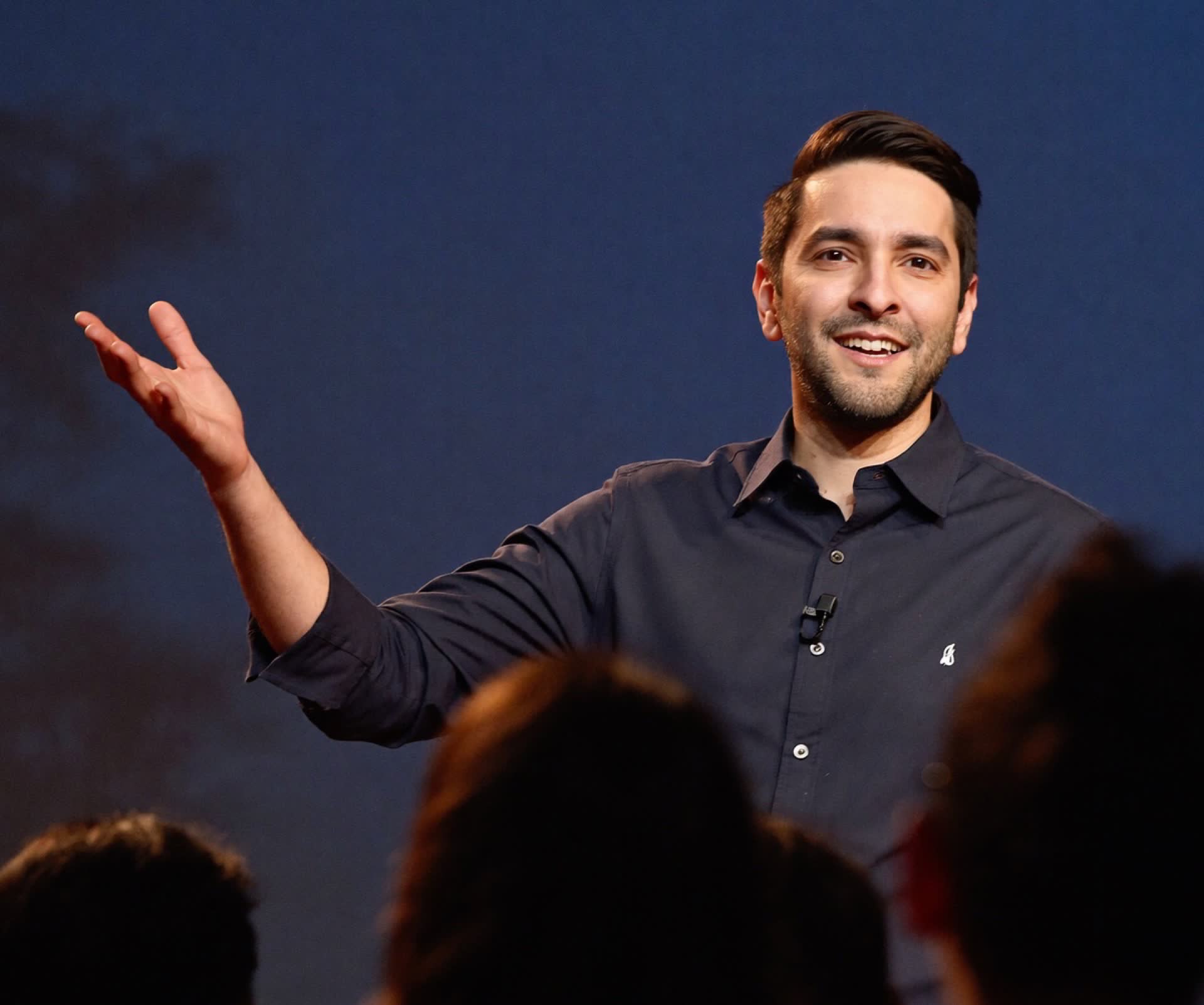
Varun Chopra, co-founder of Epic, on why AI-flooded storefronts push trust back into the living room, and how a 60-minute home demo took Epic to $4M ARR.

with Varun Chopra

8 min read

The Milli Vanilli effect and the collapse of online trust

Muzamil opens the episode with his standing frame: AI is inside a financial bubble, but the underlying technology is durable. What caught his attention about Epic was not another storefront but a reversal, a company using AI to shrink the catalogue and then sending a human to the customer’s door within an hour to actually demo the product. The numbers are the reason the reversal is worth taking seriously. Epic launched about eight months before the recording, raised a million dollars in pre-seed, and has since reached $4 million ARR, with a target of $30 million by the end of the year, all from two cities: Bangalore and Delhi NCR.

Varun picks up the thread with a borrowed line from Mark Cuban about a “Milli vanil effect” in the post-AI era. Once anyone can spin up an Apple-adjacent brand, a Shopify store, AI avatars, and paid reviews within minutes, the internet becomes untrustworthy by default. “As internet gets lower on trust because of commoditization of content through AI,” Varun argues, society is already voting with its feet toward concerts, dining, and community. Epic’s bet is that commerce follows the same gravity.

He lays out the commerce timeline the way he sees it: brick and mortar in the 90s and 2000s, Amazon-style e-commerce in the 2010s, quick commerce after Covid turning into “multi-billion dollars in four to five years.” What comes next, he says, is experiential commerce, specifically for “high touch, high consideration, high AOV products.”

What actually happens in 60 minutes

The mechanic is deliberately simple. A user lands on Epic, talks to an AI agent by voice or text, and shares a use case: a robo vacuum for a specific problem, a coffee machine within a budget, a phone between two brands. The agent narrows the internet down to two or three products. A single button, free home demo in 60 minutes, then triggers physical fulfilment: an Epic operator picks the product up from a nearby store, arrives at the customer’s home within the hour, and runs a real demo.

If it is a coffee machine, they make coffee. For a guitar, Varun says, “we’ll bring two guitars, a person will sing three songs for you and then you can actually buy them.”

The category choice is economic, not aesthetic. Epic started with electronics because “anything above a $100 to $150 USD is where the economy start making sense.” Below that threshold, Epic routes to virtual demos, closer to the Chinese live-commerce model, because sending a human into a living room does not pencil.

The AI stack behind the storefront

Muzamil pushes past the customer-facing layer to ask what AI is doing in the engine. Varun’s answer is unusually concrete. Epic runs sales AI agents on the site, tele-calling AI agents, internal apps stitching logistics to demo completion, and, critically, consented voice recording during the in-home demo itself. That recording becomes primary data: what the consumer actually cares about, which objections come up, what the next pitch should be.

The build side is equally lean. “Our tech team is very lean like five member team and they all are on cloud code,” Varun says, describing engineers who solve operational and GTM inefficiencies as they surface. He mentions discovering tools like Noodleseed on Product Hunt, and Gojiberry, among the automations they scan for internal use.

He then extends the arc. Referencing a 314 Capital presentation on labour disruption, white collar first, blue collar next as humanoids mature, he floats a two to three year horizon in which Epic itself might pilot humanoid demo operators or offer customers a choice between a human and an AI demo. Not inevitable, he says, but a natural extension of what Epic is already doing.

A counter thesis on Google versus LLMs

Muzamil raises the shift directly. India is now among the largest consumer bases for LLMs in the world, with tens of millions of daily chatbot users, and discovery is visibly moving off Google. He asks whether Epic has begun optimising for AEO and GEO.

Varun’s response is a genuine contrarian frame. “While it looks at the surface that Google is being disrupted,” he says, “I have a counter thesis.” His argument: LLMs are still scraping an index Google shaped, and once the current funding cycles stabilise, “Google will still have a lot of power in terms of even if you are searching through LLMs what they are eventually showing you are some most relevant links.”

Where he does concede full disruption is at the consumer interface. Ninety-five percent of searches, he estimates, are moving toward chat-native experiences. The important shift is not who owns the index, it is that discovery is becoming phrase-led rather than keyword-led: “how we converse is how these engines are getting built.” Epic’s response has been to plant its differentiator, free home demo in 60 minutes, into content structured around the way people actually ask LLMs for buying help.

Unit economics before scale

Muzamil pushes on the part of the story that usually breaks in Indian consumer tech: the bleeding. Global-south markets are price-sensitive, quick commerce left a sour taste post-Covid, and the pattern is usually a market-share war funded by investor capital. He asks the direct question: is Epic profitable per order, or is this a subsidy game waiting for a Flipkart to squash it?

Varun’s answer separates Epic from the reflex. “The bootstrapped company and those values principles that I’ve learned,” he says, referencing the exit from his previous D2C-focused agency, shaped the discipline. Epic is CM2 positive per order today, running roughly a 20 to 25% commission model, and has not yet introduced a convenience fee even though the service, a person arriving at the door in an hour, clearly justifies one.

The more interesting layer is what Varun calls additional monetisation surfaces once demo volume compounds. Every operator entering a home is a channel. The T-shirt is sponsorable, the bag is sponsorable. When Apple launches a new phone, Epic’s demo fleet could carry a demo unit into tens of thousands of homes a day, targeted against known household profiles by pin-code. And the consented voice data from demos is, on its own, a defensible asset. “Scale is the oxygen for a marketplace,” Varun says, quoting his investors at Infoedge.

India as the application layer

The conversation broadens. Muzamil, who has lived across Pakistan, Dubai, and the US, tells Varun that Asia now feels more like the land of opportunity than his imagined America, vibrant and problem-rich. He asks Varun to describe the Indian startup ecosystem honestly, past the polarised narratives of “rising India” and “valuation bust.”

Varun’s read is that the money loop has closed. The Flipkart-Walmart exit “made hundreds hundreds if not thousands of people millionaires,” and those operators are now backing founders. Government policy, taxes, and subsidies are aligned. Shark Tank India shifted the cultural aspiration, in his framing, from becoming a Sachin Tendulkar to becoming an entrepreneur, reaching tier-2 and tier-3 cities.

India is not building the silicon layer, he concedes, but “the application layer is beautifully getting built,” and half of San Francisco, he notes, now has a CTO or engineering team in Bangalore. His comparison is direct: “It’s like what happened with China 10 years back.”

He closes the personal loop honestly. He spent a year in Germany during his master’s, loved the balance of European life, but chose India because the pace matched his stage. He still plans to end up with “a few tennis courts” in Italy at 50. But not yet.

The telescope and the microscope

Muzamil asks about the next five years. Two cities today, Bangalore and Delhi NCR. Where does this go?

Varun outlines a tiered expansion inside India first, top five then top ten tier-one and tier-two cities, because “the top 10% of the economy actually or of the population holds a lot of money in their hands.” Internationally, the model is being pulled. Friends in Dubai and Singapore describe the same demand pattern: families with kids, older customers, high-consideration purchases. Epic’s current round even includes a Japanese investor opening a corridor to bring Japanese brands into India through home demos, on the thesis that “Japanese technology cannot be explained through an online ad.”

The framing he uses for how founders navigate this is worth pulling out directly: “one hand we hold a telescope, one hand we hold a microscope.” The telescope says experiential commerce is a ten-year wave. The microscope is who to hire next, which product to launch next. Both have to be held at the same time.

Startups Varun is watching

Toward the end, Muzamil asks Varun to name Indian startups that are not yet famous but that he thinks matter. Varun picks four across categories. Superu, a protein bar built around a yeast-derived protein that avoids bloating, distributed through quick commerce. Rapido, which found a business model that took share from Uber and Ola after five to six years of head start. Server AI, building Indian AI infrastructure and models. And a broader gesture at Indian space-tech and defence-tech startups, which he notes take unusual guts to start in an economy where capital for hardware and deep tech is not “exponentially available.”

Muzamil connects it to a recent study he did on SpaceX, noting how many space startups either come directly from India or have Indian co-founders, framing it as the same pattern that made Indian IT world-famous, now repeating in frontier categories. By the end, the argument Varun has built is clean: AI hollows out trust online, experience becomes the scarce good, and whoever owns the last-mile experience layer, and the data that comes from being physically inside the customer’s home, owns the next decade of high-consideration commerce.

Full transcript

Ladies and gentlemen, welcome back to another episode of Beyond the Bubble podcast. As you guys know, I'm going to repeat it in every episode. I do believe uh that AI is going through a financial bubble, but the underlying technology is so phenomenal uh foundationally uh that it is going to completely change the world, the way that we do business, the way that we live our lives. And in that uh sort of in the spirit we obviously look for founders uh who are who have a sort of long-term vision and are building for the postbubble world who we believe uh are going to be instrumental in creating these new experiences uh for the world by 2050. Uh one of those gentlemen is actually sort of trying to disrupt the e-commerce space. Now e-commerce itself uh historically has been it's a behemoth. It's something that has already sort of matured as an industry. There are huge companies starting with Amazon now it's everywhere. Um every major region in the world has their own sort of version of Amazon. There are hundreds of different genres of platforms that exist. So the industry itself is nothing new. Uh but I also feel like as consumers there there is increasingly a redundancy within that industry as particularly when I go and try to shop using platforms it increasingly is an overwhelming experience. there are hundreds of thousands if not millions of SKUs products that are available and I get this decision fatigue every time uh you know I'm browsing through them. Uh so so obviously for me when I was looking around within e-commerce what could AI potentially do obviously beyond marketing beyond a lot of these tools and automations um in terms of customer experiences this particular company I found very very interesting because uh on the AI front they're reimagining the sort of uh customer experience trying to take it back to what we all grew up with sort of these personalized sales agents where you don't have to browse through millions of uh you know categories of products but rather go to a sales agent um and they will eventually based on whatever your requirements are guide you to the best possible available product. That's one aspect. Obviously, it's nice, it's fancy. Uh but they really seal the deal uh by sort of disrupting the other end of the spectrum which particularly in the global south in the eastern economies is very very important and that's that aspect is ensuring that the trust is there. So they champion this thing called try before you buy. Uh but they bring it to to sort of quick commerce. uh within 60 minutes of you purchasing or or placing an order, someone comes to your house, you get the product, you try it, and if you like it, you buy it. Then they launched eight months ago. Uh as per my research, they had a million dollar in uh preede funding. Um and since then, they've gone to $4 million ARR. Um they are looking towards $30 million by the end of the year. They launched in two cities, Bangalore and uh Delhi NCR. uh we'll know more about that because I'm not very familiar with the geography of India but sounds extremely exciting. Today we have with us co-founder and CMO uh of Epic E-commerce out there in India Varun Chopraasar. Thank you so much for taking the time out and joining us. Likewise, Muzzil, I think your energy is uh very very contagious in a positive manner and great to see the description of you know disrupting e-commerce. Uh even though it started with a small you know step further but I think from there on we imagined this could become really really big and I think that's entrepreneurship is about uh you know finding the way from the next step onward. So glad to be here and glad to spend time with you on this 100%. And I'm going to just sort of quickly start off with getting a sense of you and sort of what brought you uh not just to entrepreneurship but to e-commerce uh and then now with a lot of AI that we're seeing in your company and your product. So my background has been in engineering uh like in terms of studies. However, uh just after the uh you know my graduation, I got intrigued on psychology, sociology, even reading a lot of marketing and advertising books. That came very very naturally in my college because of uh you know uh great exposure, one of the top premier industries uh premium institute in India. uh however I I actually came to Germany for an year to do my master thesis and then I realized uh particularly that I'm just through traveling all these cities in Europe I'm uh you know finding my way towards I need to spend the next 30 40 years of my uh you know entire life in a field where I really want to be uh and yeah marketing seems to be you know my cup of tea uh I very soon realized and double clicked on it and I opened my first company back in 2018 uh which is called the teaser company only focusing on D2C e-commerce brands and the entire wave uh postcoid because everything offline was shut uh got catapulted into a new industry altogether in India and we ride the wave I think um you know average founders good market uh is what it takes to you know become large and we scaled very very nicely with uh boots trapped all without you know any penny in the bank uh on day zero with no background in business in the family I've you know uh I met Shivam and we started it 5 years of very very sharp compounding you know frugal execution uh getting our way to building the teams almost hitting 60 members uh you know in 2024 with 100 plus active accounts I actually got a got an exit um wherein you know um an AI verticalized agency wanted to uh you know roll up all the creative and marketing industry uh from you know graphic point of view, performance creatives point of view and that led me to some money in the bank even though it was profitable uh and you know we were saving and compounding to get more bigger clients. uh but the entire five years of seeing e-commerce from a performance dashboard lens seeing that conversion rates don't go more than 3 4 5%. uh and seeing how out of almost 500 brands that we dealt with in you know over five six years only a handful of them survived like I can count them on fingers probably less than a uh you know hand of fingers so it meant that yes it is actually tough to build in e-commerce market uh but because we were no shovel providers in in the era of people trying to find gold I think shovel makers make a lot of money and that's what uh you um like the exit let me uh do that and while in that journey I figured out probably there is something wrong with eastern economies uh China is 40% penetrated uh you know in online world offline is 60 for them uh US is even uh even further so there is you know that trust deficit in the economy and uh at that time when I had sold my business I moved to Bangalore uh because I knew it's the Silicon Valley and you know That time I read novel Ravikant who says uh you know there are three big levers of your life. Where you live, who you work with and what you do. Typically we figure out what you do first then who we work with and then where you live. However, their importance is reverse. Where you live actually has the biggest impact and uh it was a no-brainer after reading that statement even though it took some time but I wanted to be in Silicon Valley. If not SF then you know why not in India at least I can start from here and yeah I mean that entrepreneurship led me to meet a lot of good VCs entrepreneurs in Bangalore and yeah I mean uh merging with a company uh you know I was running homeified as an experiment we merged with an uh you know very very sharp founders and figured out that home demo or experiential commerce is the next layer of uh you know commerce and where it's heading because conversion rates are not increasing in these economies. probably the best way is to put an AI solve for that overwhelming uh you know problem of ensuring that people get a curated marketplace going and they are able to experience that brick and mortar at the comfort of their living room uh which led us to you know raise from infoedge a million dollars and very very massive growth from there on something that I haven't uh you know fathommed but it's just that life gives you surprises in entrepreneurship you know every day in day out so yeah that's my story m I've tried my best to summarize last seven years of my life. >> No, that makes sense. I'm going to I'm going to touch upon a a personal aspect to it first. Um you said you you went to Germany for a year and then you chose to come back and I don't know if you chose to come back or circumstances led you led you back to India. I understand India is is a huge it's the second largest sort of consumer market in terms of you know they have 450 million uh uh middle-class customers. It's a huge base. It's a huge problem to solve. But but while that's there as young people when you explore and experience west for the first time your gut instinct says you know it's so comfortable let's just stay here let's have your standard classic sort of middle class developed world lifestyle get a car you get a house you can have a good family it takes guts to actually you know leave all of that and say listen I'm going to I'm not just going to go back and live in the comfort of my familyowned house I'm actually going to go and become an entrepreneur And then it's not easy. No matter how much you glamorize it, Eastern societies obviously have a long way to go in terms of building those systems and you have to fight, you know, left, right and center to make it worth. What led you back to India and do you, you know, 7 years on? Um, do you think that was the right decision? Well, M I think it's always I believe in connecting the dots backward and uh I can't tell you how happy I am being in in the spot and I would never ever want to reimagine uh you know how could I play my game better in the past. It's always uh you know forwardlooking in my case. Uh touch would have trained my brain to be that person. Uh however like you mentioned it is very very tough going from an eastern economy to seeing you know how planned how comfortable that life is especially in European economies I've heard US is still very agile very fast entrepreneurship is there you can find your pace however Europe is like very u you know very very laidback uh to you know put the right word however I could figure out that this is something is not for me at this stage and this life. Uh you know probably I still dream of going back to you know Italy after I turn 50 and you know get some few tennis courts under my name and you know bring all my friends over there to stay and play tennis all day long. But uh but yeah >> yes absolutely like like how they live their weekends like I still you know remember going on a bicycling tour for like few hours then running a marathon. I mean that life is really beautiful for you know a balanced healthy lifestyle. However, I feel that uh you know I had I still had a lot of young warm blood in me and and yeah, it was also about Germany being you know my inclination towards marketing at the same time not knowing the language fully well. I felt India is the right place to be. uh there was no more overthinking from that aspect. But yes, I missed the lifestyle. Some sometimes I had proper chiseled six-pack abs and not doing too many workouts. It was just because I I'm walking 5 10 kilometers every day, eating, you know, very nice meaty proteins and and yeah, but I I feel now eastern economies are also evolving very very rapidly. Be it the best of the best groceries or you know uh the brands they we are all uh you know globalization is at at its peak with AI you you know everyone can see how fast all of us are moving so uh yeah but and my sister stays in Germany so I still you know get to go there spend a month summer time there uh so yeah it's best of both the world for me uh I think we can now travel and Yes, >> that makes sense. So, so moving forward just a little bit. Um, so my experience I you know I went from Pakistan to Dubai and Dubai to the US. Interestingly, I found US to be rather dull and and and rather it you know when I having lived in Dubai for for a couple of years um when I landed in Atlanta airport which was which is the largest airport in the world in terms of the volumes that they deal with I genuinely felt like I was in a third world country because the infrastructure was so old the systems were not that vibrant. So one of the things that I've sort of experienced in my thesis is that even though the infrastructure is is not that good out there in Asia, there is a certain vibrance. There is a certain youthfulness to solving problems and taking control of your life. And and growing up there was this idea of America being the land of opportunity. I feel like really the real land of opportunity is largely Asia where there are problems to solve. And so within that same breath, I'd love to get a sense of what's really going on in India because from the outside you see two extremely polarizing uh opinions about business, right? So at at one point you have this rising India, lots of development, lots of unicorns that that uh came into being uh particularly postco and then you started to hear a lot about the sort of overvaluation bubble bursting companies going uh bust um and so a lot of people said oh you know they accelerated too quickly and the market is not mature enough. I want to get a sense from someone out there in the trenches. What is the overall startup ecosystem like um particularly from someone who's actually built and uh uh you know sort of um participated in that? You mentioned earlier that majority of the brands that you sort of worked with no longer exist. Um so who are the ones who are eventually uh you know sort of persevered and what's the ecosystem and the industry looking like as of right now? Very interesting, Muzil. I can definitely talk about seven to eight larger industries that have at least spoken to a lot of founders, but they all will be very one-on-one POVs. Uh definitely few of them through research and you know the case studies or the reports that come out. uh speaking about consumer tech since I've spent you you know considerable amount of time in uh in building that ecosystem or being that part of that ecosystem especially with epic uh consumer tech in India particularly uh even with Amazon Flipkart Flipkart is one of the pioneer competitor to Amazon and that got bought out by Walmart for one of the largest exits that happened and made hundreds hundreds if not thousands of people millionaires uh which means that the ecosystem uh you know gets the money in their hand and then they back again the founders because they have themselves seen that journey. So the money cash flow in terms of supporting entrepreneurship in terms of government pushing a lot of incredible policies that can support through taxes through you know subsidies at the same time uh you know the aspiration of when Shark Tank US came to India around 4 years back the aspiration is deeprooted to tier 2 tier three cities and it is as good as how 30 years back everyone wanted to become a Sachin Tendulkar who is one of the greatest batsman. Now the aspiration has moved to becoming the best entrepreneur which means that the entire country is pumped up to solving problems and taking a leap even though everyone knows uh that it is a few only survives in this game. However, that leap which gives you the maturity. It's not about the victory. It's about maturity which is happening at scale. Even if people are failing or companies are going down that is a part and parcel of um you know economies uh that is made that way. However, I feel great time to be in India whether it is D2C ecosystem, consumer tech, even AI for that matter. We might not be working on the infrastructure layer like your silicon chips and your data centers. However, the application layer is uh is beautifully getting built in cities like Bangalore and there are a lot of engineers working remotely. I think half of SF is uh you know having CTO's in Bangalore or Indian folks over there. So I I feel it's like what happened with China 10 years back. We are at the cusp of that evolution because the youth economy is there. uh the government support, infrastructure, financial support is all uh all in line with making east uh you know the new west u and yeah I mean that is some why a lot of people who have stayed in US are coming back a lot of investors are putting their houses u you know their VC houses in this country so I feel it's u you know nothing better than this and you enjoy the west whenever you want to go for vacation uh it's it's the best of uh the times to live in India. I believe >> makes sense. Um now coming on to Epic itself. Um tell me about and I want to get a sense of both aspects that I mentioned early on. Right. So so the AI layer which is um the the business itself is largely brick and mortar. It's physical goods. It's not a service. is not something because when you when a lot of times when we talk about AI I feel like a lot of 90% of what we have right now is just early stage novelty slop you can call it um and so I've tried to really think about genuine use cases that are going to sustain longer term and so I was I I was curious to see that that integration that you had um of the sales agent I want to get a sense of how many people are actually using it do they find it useful um what got you to build it and then run me through that evolution overall as a company over the last 8 months. Um particularly did you start off with this sort of try with try before you buy strategy? Um has that changed the way that consumers interact with with buying online and again for the sake of our viewers India right now has around 8 to 12% penetration according to Google my data could be wrong uh of e-commerce. And so there there's that delta of let's say if you compare to China there's a delta of 30% that needs to be um captured right so so I'm curious um what what has the response been so far in terms of this new model that you've introduced I think uh the like uh Mark Cuban who is one of the famous sharks in the US he very nicely puts it he calls this after like the post AI era to get to a Millie vanil effect. Uh that's the term he used. It's a it's a again a societal phenomena. Um which simply meant that if anyone can replicate through AI in can make their avatars, virtual avatars, uh even online what it takes for you to just copy an Apple branding or a Dyson branding, get a supply chain from China and get it going. your Shopify store gets live within minutes. Now what he meant that once the internet gets overburdened or overwhelmed with virtual creators to virtual brands to almost like a single probably an AI running the show at the back end of all this will actually make the entire society trust more experiences and touch as internet gets lower on trust because of commoditization of content through AI. Right now how this beautifully puts in that actually already there are trends showing people are going more towards concerts they are going more out drinking eating and there are community building happening because stuff online and this is like the larger trend uh or the impact of AI which we are actually betting upon which is experiential commerce. uh now walking you through the journey of commerce uh the brick and mortar in the '90s 2000s um you know were prevalent your demarts and your know Walmarts of the world people used to go and shop there while as Jeff Bezos Amazon came in in 2000s and 2010 the e-commerce wave came in a lot of players uh you know open shopped even vertical commerce players as well as larger horizontal players in India uh very particularly in 2020 uh just after covid the phenomena of quick commerce came in which said that why do you wait for a day for products to come in if it can come in 10 minutes and because of a availability of labor at scale and the cost unit economics making sense it penetrated like how I mean these companies have become multi-billion dollars in four to five years which took uh Amazon's and you know larger e-commerce of the world decades now what we call is the next commerce to be experiential commerce and especially for high touch high consideration high AOV products wherein because of the overwhelming on the internet in terms of the catalog brands and reviews reviews also uh you know getting fudged because of AI as you know you can actually pay a middleman money and they can put reviews on behalf of your brand. Uh all of this is actually cumulation to a try before you buy model uh which we call as a home demo in 60 minutes for a consumerf facing communication simply meaning that an AI agent can actually on the website as per your quick requirements either through your voice or through uh a typing mechanism wherein let's say you are looking for a robo vacuum or a mobile phone or for that matter a coffee machine. uh your budget, your brand preference, your uh use case can simply help you uh scrape through the internet and come down to top two, top three products wherein after that you have a simple button of a home demo wherein we augment the entire brick and motor experience. So guy actually picks up the product from a store nearby, comes to your home within 60 minutes, actually makes a real coffee for you and interacts with you so that you very well know about the product, the brand, the price points, the use case and any kind of doubts that you could simply have online is where we see the commerce going. So imagine tomorrow if you want to buy guitar, we'll bring two guitars, a person will sing three songs for you and then you can actually buy them. I mean it's a wonderful environment to be because human interactions are not going down even though we love AI on the productivity efficiency level but at the core we have always been social animals so this is where we feel uh this commerce will evolve and that's our bet so yeah makes sense um going into a bit more granular uh within this sort of industry you've been in the brand building space um obviously customer journeys trying to understand how do you reach the customer in the right Okay, I'm curious what other aspects I mean what we've been discussing was has been very sort of customerf facing but in terms of the behind the scenes the engine right um now you have a lot of these tools that are automating a lot of what required a lot of humans previously to verify and check and and break in many ways as well I mean I ran a very small sort of homebased e-commerce store I think the biggest challenge that we always had was getting those orders verifying ensuring that the sort of pickup folks who were able to get the right thing and it keeps on breaking because there's always a human in the loop making mistakes. Humans are, you know, we we tend to make mistakes and so now you have a not just a lot of automation. Automation has already always existed, but um it's a lot of democratized automation, right? Very at scale, cheap, customized to everyone's solutions. And so I'm curious how much of AI is now seeping into your workflows behind the scene workflows in the engine that you're building both in terms of the platform itself as well as overall let's say customer journeys and accounts and deliveries and logistics and everything that you're doing. Absolutely misamil like I'll actually mention a very intriguing conversation or rather a conference that I attended by 314 capital which is one of the VC funds in India and one of the partner actually presented uh the entire movement towards disruption of labor as we speak both blue collar and white collar. Now what we have seen through AI is yes intelligence is being democratized taste judgment wisdom is what it takes to uh you know for you to move to the next step and everything else through wipe coding through you know product management can simply be automated and you don't need uh that many people and we have seen what what's happening with IT space uh you know in companies uh who were listed going down uh with a claw update like you know many of them I think we have all seen in the news. I feel like how you mentioned the use of AI not just on the part where we are replacing human labor uh through AI. we see with humanoids especially with Tesla talking about uh you know how humanoids can be much more efficient in terms of real labor blue collar labor jobs that are working in the factories or working in let's say uh logistics uh working in agri all these industries within next 5 to 10 years is the entire labor is up for disruption and the conversation of universal basic income came from that matter that at present we can see uh you know the IT jobs and the and everything in the service economy is going down uh with AI in terms of better efficiency lower cost and higher productivity in terms of as soon as these bots and humanoids are back into the system the blue collar is also up for disruption. So u where I wanted to actually take this conversation was right now with just sales AI agents, tele calling AI agents uh across internal apps that our teams have created to communicate from logistics to demo getting completed to even voice AI as we enter the house because we are carrying very expensive goods. We voice record the demo which distills us a lot of primary data talking about the consumer, the persona, what actually can you pitch them next uh without uh you know without affecting their privacy because we with consent record those uh demos and we have seen massive use of AI and our tech team is very lean like five member team and they all are on cloud code uh you know typing and just solving whatever they feel in an operational inefficiency or a marketing uh GTM inefficiencies or any idea. We are on top of you know figuring out what AI tool is out there or searching for it and I think uh noodle seed is something I've also found out just hunting on product hunt what is uh what are people building with AI and I think with with goji berry there are many many tools coming in that can entirely automate your sales process uh your uh you know internal processes uh even summaries of your slack groups what you need to do uh uh and even I think there is uh very uh little time to see where you know entirely it is automated. Only thing is left is probably how Nal says is in an 8 billion world like the population the best day would be when we have 8 billion entrepreneurs. So everyone actually works for themselves because AI has actually made them powerful to that extent. So we see even w with the people who are going on giving demos we feel within next 2 to 3 years we will put humanoids who can actually probably walk let's see how consumers would behave to it but we will try a pilot of sending some robots who can give a demo and see how that behaves or you can always have a choice to choose a human or an AI who can give you a demo. So like that's a utopian world we are entering and I'm super excited because I'm a tech buff but it can be overwhelming for a lot of people understanding you know if everything is disrupted we always enter like a better era uh you know and we can spend time on our own creative uh you know insights spending time with communities that we really love uh and doing things uh you know finding your purpose which is a tough element probably that's a topic for an entire podcast again. Uh but it will give time people to find their real meaning and purpose uh which is the top level of Maslo's hierarchy. So I'm I'm really excited to enter that world. >> Yeah. >> No, that makes sense. I think I had a conversation with this gentleman uh Paul recently and he sort of reframed the entire thing where I spoke to him about let's say joblessness and and universal basic income and I was like oh you know there's so much fear around it and he said you know the average human being today works more than the average peasant in the dark ages. Um so we've actually you know built this incredible world but are we really free? Uh because in many ways if we if we don't have time is where wealth is defined. If you have all the money in the world and no time you're not really are you that wealthy you know. Uh so maybe the the reframing that we require is if we have productivity increase with a lot of this automation how do we equitably distribute it and then reduce the amount of work that we do and potentially spend more time uh you know with our families with society with uh doing human experiences. I'm curious though uh coming back to sort of epic and sort of customer discovery. Historically, Google has been the sort of the gateway to the internet and from Google you could then you know SEO your way or let's say uh media buy your way uh to a different platform from the within that platform you can then um buy something out. So essentially Google was your mega market district and then platforms were the mall and then from there you could go to a brand and buy a particular product. Now we're hearing over a billion users using LLMs every day or or chatbots every day. Um possibly even more every month. Um and increasingly and that's something that's my own total experience. I don't even remember the last time I actually went to Google. I'm just using either Gemini or Claude or or or Chad JPT. Um and and you know my entire experience has changed where even if I did end up going to Google, I just felt like it's just so noisy and there's a lot of hacking. You know, people have just pumped in a bunch of random links courtesy of SEO or whatever. And so the discoverability of businesses has has radically changed. And obviously that impacts um uh e-commerce platforms as well or or or any business for that matter. I was looking at numbers for India. India is the largest uh user base of AI in the world right now. Uh there are 65 million people daily using uh chatbots. There are over 100 million people using it every week. Um according to uh uh perplexity 38% of their entire user base is in India. According to Chad GPT 16% of their entire user base is in India. So that's huge. Um, I'm curious how have you have you started to be like begun to optimize your sort of GEO or AEO as they call it where people can begin to a discover you or about you on these sort of LLMs. And you mentioned Noodle Z a little earlier. Have you gotten an app live? Have you sort of started to imagine what that discovery layer is going to look like um in the post sort of LLM as the as the as the primary uh gate to the internet world I have a very uh counterintuitive opinion also on this journey in terms of while it looks at the surface that Google is being disrupted I have a counter thesis and at the same time for epic what we are doing I'll touch upon the like whatever these LLM engines are scraping these are all pages or the database actually built on top of Google or that entire information that was being listed on it. uh so they have a very very large foundation of data which I feel as soon as these LLM stabilize there is entire uh you know funding cycles that are going on at large scale when once they settle I feel Google will still have a lot of uh power in terms of even if you are searching through LLMs what they are eventually showing you are some re the most relevant links that are clickable and landing you to some pages or giving you the solution then and there within the chatbot. However, about the evolution of commerce in this case or the search engines for sure from a consumer interfacing standpoint has been completely disrupted. All of us are no no more going to a Google uh you know or very very only some memorable instances uh which you will want to go to a Google however 95% of the searches are uh you know are moving towards the direction and I'm sure within like you mentioned probably a couple of years uh or so everyone would move to these ecosystem and the next search engine probably would be phraseled uh not exactly keywordled because how we converse is how these uh engines are getting built. Uh and the more and more you know you are able to write on or properly create on the relevant phrases and those topics uh is how these engines uh might rank you even better. However, not being from an AO SEO standpoint, uh but from a consumer behavior standpoint, we thought it's u you know it's it would be late if we do even a you know little bit of delay in getting ourselves on the bandwagon of you know AEO GU and and the idea was because it's a superior value prop in case of epic which is everyone else on the internet says buy now in terms of commerce products. We are the ones saying free home demo in 60 minutes. Uh so whenever people are searching on a on an AO I need to buy an oven please suggest me or anything around you know I have a problem of a dirt in my house what do you recommend and they then they pull like a robo vacuum cleaner and while you know get epic uh through noodle seed got listed I feel a lot more traffic in time to come uh already we have seen many people uh you know typing for these phrases on you know buying around uh comparison especially in terms of you know multiple products when they are confused between an Apple or a Samsung or you know multiple kitchen appliances to multiple let's say sunglasses perfumes lab grown diamond across different categories uh the experience in which how a chat GPT or a claude or a Gemini gives you response uh is something you know already at a level in which you know we and it it makes it very very concise for us. Uh but yes, I feel for any brand it is good time to plug in those relevant content or conversation how your consumers are speaking. It is not how they are scrolling, it is how they are conversing which is very very different world altogether. Uh so it is still evolving. However, I've taken the first step in terms of, you know, learning that if people are searching about these phrases, how can we be relevant of showing a demo possibility at that time of research is how I'm seeing this at this moment. >> You're in two cities right now, two huge cities. I mean, my understanding is uh uh you know, Delhi, obviously, everybody knows about Delhi as as as of the capital and and my understanding is because what I know is that you have a separate chief minister for the for the place. So I'm assuming it's huge uh that that entire sort of greater Delhi area. Um but Bangalore again is the Silicon Valley of India. So capturing those two major markets, I'm curious what do the next 5 years look like for you in terms of the expansion that you're looking at? Are you looking at expanding statewide? Are you looking at expanding across India? And I want to connect this to um sort of a multinational growth approach of whether you have that whether you're thinking I mean I know India is an incredibly huge market and you don't really need to go uh be multinational but um is that part of the road map at some point where you say okay if we can prove this in India then let's say can we take this to I don't know Philippines, Indonesia, can we take it to Middle East and North Africa what does that look like for you guys? No, definitely I think the vision is uh large here in this case and I've spoken to a lot of friends in uh Dubai and in even Singapore wherein they also feel uh the value of a home demo uh you know in case they have kids at home where they can't go out in case of you know older people especially when you know physically probably they are not uh you know as fit as you know shopping offline or not super technologically advanced in terms of buying online where a home demo makes sense. Like you mentioned, it is a very very large market to cover. But whenever it comes to a first mover advantage because there's no one else out there who is doing a home demo uh commerce the goal and we have luckily the best of the best we see infoedge backing us who who have been uh backing the largest marketplaces of India as we speak. Zomato who is uh eternal now you know scaled over last 10 years and is now Nifty 50 stock which is like the top 50 companies in India and in a decade uh you know been there uh to that position and still holding very very strong growing massively. I feel the opportunity lies in a expanding rapidly from here to the top five, top 10, tier one, tier two cities in India. Uh as uh India the top 10% of the economy actually or of the population holds a lot of money in their hands. Uh so we would want to cater to that first and immediately after if we see uh you know a an enemy or like a you know counterparty who would want to come in the space then it will you know make the game even more fascinating as you know the VCs that are backing us uh would probably you know we'll have the space to test how it works in Dubai market. These economies are again you know very very large in terms of money in the hand and the overall you know tendency to spend. So Singapore uh Philippines, Japan, we already got an investor in this current round from Japan opening a corridor of bringing specialized supply of Japanese brands to India and want to expand through home demos because they feel Japanese technology cannot be explained through an online ad. It can only be touched and what better than a home demo in 60 minutes at your home. Uh so it is enlar it is large. However, as entrepreneurs we have a you know one way one hand we hold a telescope, one hand we hold a microscope. Uh so the telescope shows that experiential commerce is the new wave of commerce. It is going to be there for 10 years. How fast and how large can it be? We'll try to defend our territory. in terms of microscope it is you know who do I hire next which uh you know next product do we launch those are already decisions that are running in my head um and you know the team so that's where we are >> with with obviously it's a very interesting analogy of a microscope and telescope but with e with quickcommerce particularly you know there's a lot of sour taste in the mouth of postco where it there was a huge boom and then a huge bust all across the world um and so I'm I'm curious about the economics of this right now um particularly in the market that you're operating India and generally uh uh you know countries in the global south are extremely razor thin uh margin markets right extremely price competitive people are uh you know people are sharks in their bargaining and ensuring to get the cheapest possible price out um and so you it's it's generally a price war to the bottom and what that led to or leads to more often than not is a lot of bleeding out of investor capital and not a lot of margin it's it ends up becoming a market share game and in that market share game because you mentioned competitors as well. I'm curious um is on on a on a let's say a per order basis are you guys profitable like is the is the cost of that demo that individual that has obviously probably trained properly you know sits in a car utilizes fuel goes there um does the demo comes back whatever the the let's say the economics of that 1 hour spent is um is that baked into whatever the product is being sold in terms of the margins and or are you like right now saying okay subsidized this this to a point where this becomes the standard and norm. Um, and if that is so, isn't that sort of scary where it's just a matter of who has the bigger muscles? Um, you know, at what point does Flipkart start to um, you know, plow cash in the market and just sort of takes it away? Definitely, I think there are multiple businesses out there currently in India where the unit economics don't make sense at all. uh but they are uh burning money to capture market and then have some visionary plans uh of you know upselling cross-selling or utilizing that consumer uh in multiple ways. However, I feel uh you know the bootstrapped company and those values principles that I've learned uh you know not belonging to any business family and just you know u compounding cash uh with my previous companies and so does my co-founders. I feel uh we immediately started with electronics as the first category of penetration because of high AOVs. Anything above a $100 to $150 USD uh is where the economy start making sense uh in terms of uh the price value of the product that you are demoing. Anything else below we are enabling through virtual demos which is simply a person coming on a call like how it happened in China the live commerce window. But our mode or the differentiation is the a the operational fleet which we are setting up. Then the hubs every 10 to 15 kilometers where these demo units and the trained professional teams are there. And last but not the least the unit economics at anything above a 150 to $200. uh you know at a unit economic level with a you know average 20 25% of commission model where we have not even started a convenience-free from customers even though it is super convenient a person coming to your home and uh there are companies already in terms of logistic companies as well as the food uh commerce space have been charging those convenience fee u we feel because of the first mover there is time to start charging for those and there are enough and more levers from a brand marketing point of view. Since we are entering a house of a consumer, the t-shirt that we are wearing is you know up for sponsorship. The bag that we are carrying is up for sponsorship. We can actually carry let's say an iPhone launches a new phone. We can carry in the entire demo fleet of whenever we touch like a 10,000 or 20,000 people doing a you know almost a lakh or reaching a million demos a day wherein these companies who you know puts a lot of branding money can actually give us a demo unit and enter like you know 10 lakh homes every day. uh is where we see this uh you know catapulting into a lot more layered of uh you know monetization that can come through it and data being one of the largest where in entering a home taking a consent of a voice recording and not pushing for sale but helping them make the right choice in terms of comparison and experience is where we feel there is a large way to go and we are CM2 positive right now with a first round of branch coming and you know now closing our seed capital as we speak both of these elements of being CM2 positive uh shows that there is a lot of scope to you know make it profitable while growing so it's not an like it's not an or conversation it's an and conversation for us now that makes sense um I think what I found particularly interesting was that you're essentially digitizing and absorbing the sort of sales agent um industry because this is that's a huge industry. You know, there's there are people you go out there, you hire them, you have them stand in malls, you do this and that and that's just random. You're just spending you're throwing money in front of random eyeballs hoping that some sort of conversion would happen. What you're essentially saying is we have the targeted customer. We've built that funnel. We've we've sort of cleaned up that data. And if you want that targeted customer and you want a sales experience to go with it, basically you come in and you sort of subsidize um potentially or or call it subsidy or call it um you know an advertising play but basically let's say the Dysons and the Apples and the Samsungs of the world if they have a new product coming in they can come to you and they can say okay can we while you're going and selling to let's say 100,000 houses drop in an insight about this new product so that they have an understanding even though that's not what they're sort of buying. for but they just that's how you reach a customer who you know has an intent or a signal um potentially to buy from you. Does that make is that what you're trying to do? >> Yes. Yes. Absolutely. Brand marketing is something you just want to capture their attention not necessarily at the right time probably but that's how you build the top of the funnel because once if they would have seen through a demo person that they were carrying a new iPhone or a you know nothing phone there that they just simply put on the table or spoke about for a minute while their main demo of let's say a coffee machine or whatever uh you know primary product was happening is a real human conversation happening and a lot of top of the funnel get wasted by these brands on billboards and you know a lot of random advertising here it's very very targeted you know we have the data of what houses that we are entering what is the household potential income as per pin code clarity what are family members that are inside as per their profiling so it makes it a lot more uh you know useful budgets on marketing while we want to continue at a commission level of per sale being profitable table. However, we feel that pressure might lossen out as soon as we hit scale. You know, our investors very well put it that scale is the oxygen for a marketplace. uh it's like you know you are uh deep under underwater and companies like Amazon's the consumer tech space uh be it Uber be it uh you know any any of these companies before hitting scale the network effect which gets you monetization going from a lot of levers is something yes it requires money early on but it can fly on its own u and can be a very very big uh you know cash flow machine the yearns of the world you know initially took a lot of capital but now they make like a billion dollars on PAT uh which is you know amazing to see as a company you are almost adding like a you know economy to to scale so yeah that's where we are at >> makes sense makes sense we're going to wrap this up I just want to get a sense of if if I were to ask you what are your three most exciting startups particularly in India I'm not talking about lot let's say the the already famous ones I'm talking about the undiscovered ones um companies that you think are doing phenomenal work that are going to really sort of create long-term uh groundbreaking value. Can you name like three four um out there in India that uh that majority of the people haven't discovered yet? >> Very interesting. So across space probably I'll pick one that will help uh me sort out. So in the case of uh D2C uh direct to consumer brands I feel uh there is a company called superu which is a uh protein bar with a yeast uh you know where they have actually come up across come up with a protein that does not bloat you or it's very very lean on the muscle. I think they have scaled very fast in India through quick commerce. It's like a protein bar you can get in 10 minutes and you know uh gives you that energy no sugar and you know high protein. In terms of consumer internet, um I feel Rapido as a company which is a even in the era of Uber and Ola, they were able to come up with a business model to actually uh you know taking up the market share in India, you know, almost competing to these players after like a five six years uh of penetration of Uber and Ola in the country you know coming up with a business model is uh you know immensely respectful. Uh in terms of AI, there is a company called Server AI which is you know making their own infra uh and you know setting up they are in the uh you know AIN infra and uh like a competitor to you know these clauds and these models like the first model that have come through India and I think in space tech there are multiple agencies that we don't know of because it's not very fancy in eastern economy even though uh you know SpaceX IPO one of the largest has now made everyone being aspirational to you know the uh the sci-fi or the space tech world in India there are multiple companies in defense tech space tech uh that have entered which is which takes a lot of uh you know guts to start from an economy where capital is not like you know exponentially available and you want to build uh these you know space giants. I feel uh we are entering uh that you know era of uh challenggers coming in and disrupting all industries. So yeah those are my favorite startups wherein you know someone questions can you really build this and because it might take a lot of capital or that intellect but still entrepreneurs you know take that leap of faith and build it. So that is where >> 100%. Vun this was this was an exciting conversation. Uh again you mentioned early on I have a great energy. I think you have an an absolutely phenomenal energy. U I got to learn so much about uh you know India particularly. I'd love to speak to more founders from there as well. I think what you guys have going on there is just it's it's it's electric in many ways because you're building a base that is so on on top of like a huge economy. Um I you know when you even imagine um the possibilities out there and and just as you towards the end you mentioned space I I actually did a study on on SpaceX recently and I was just absolutely mind blown by the amount of startups that are either coming from India literally people in India building startups um creating these crazy visions uh about the future that if you backtrack are very real they're going to happen but also a lot of Indian like expat Indian founders um who are now getting into any major space startup that you pick out today has at least one co-founder who's from India. So uh so I I definitely I completely agree there. I think it's is an incredible industry in the making just like the IT industry from India is world famous. I think space uh is going to be an a phenomenal frontier for India as well. Thank you so much for coming in and sharing all that insight. I wish you all the very best. I'm excited to see where you go from here um and how you expand across India. Thank you so much for your time. >> Thank you. >> And for all of you guys, let me know in the comment section below. Particularly uh if you are joining in from India, what is the uh startup ecosystem like over there? How do you see the growth uh particularly around AI? Uh and for people from all over the world, how do you see generally uh AI impacting commerce? Again, something that we uh interact with every single day. Um, how do you ex expect that to change in the coming days courtesy of AI? Uh, nonetheless, I'm going to wrap this up. This was say Muzam Hassan Zedi. You are watching Beyond the Bubble podcast by Noodle Seed Studios. Thank you so much for watching and I'll see you in the next one.