Beyond the Bubble Podcast · Jul 10, 2026
Claude just shipped organic connector discovery first
Ghost Team co-founder Elliot Garreffa on the new discovery layer forming inside Claude, ChatGPT and Gemini, and why MCP apps are becoming infrastructure for agents.
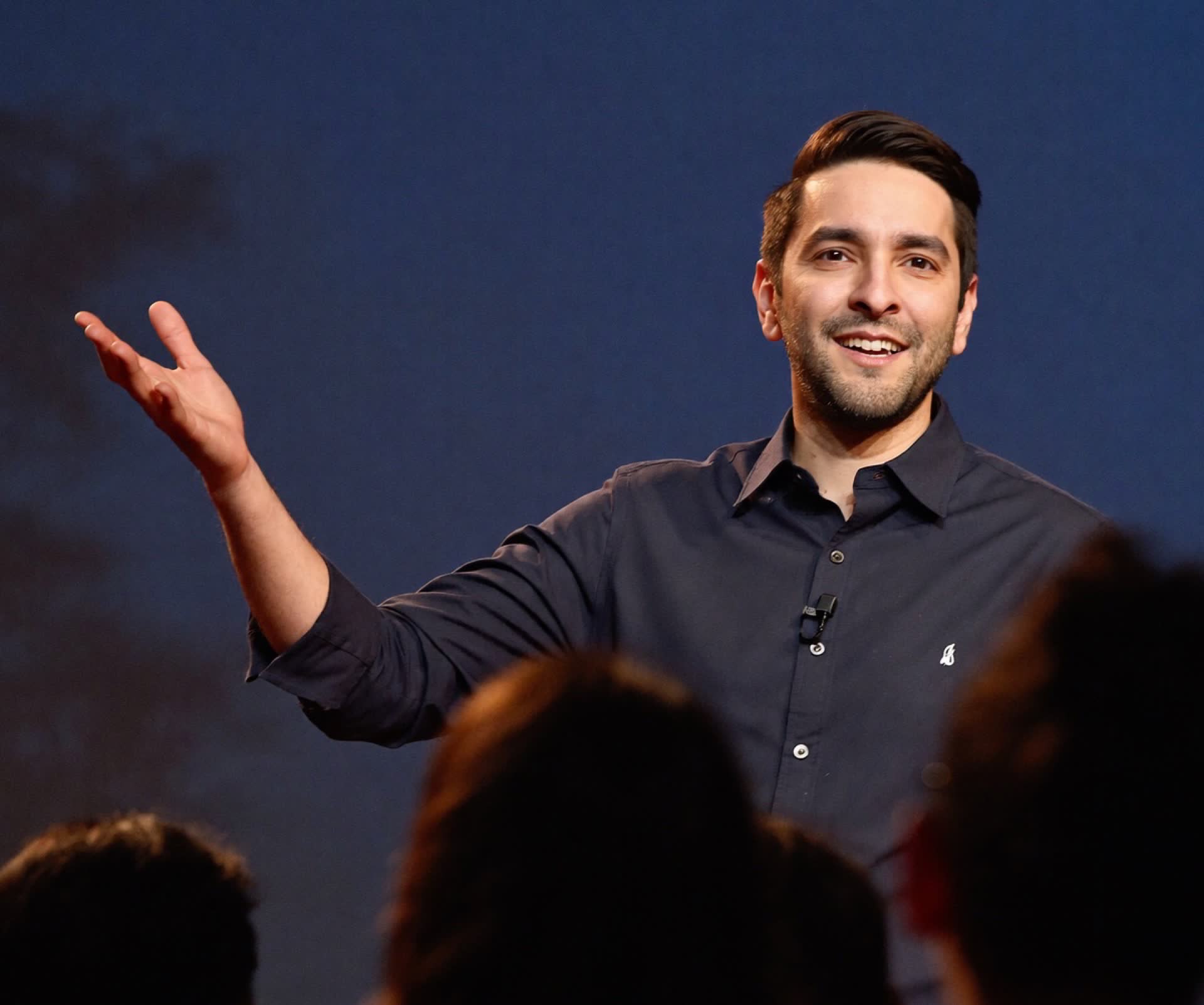
with Elliot Garreffa
8 min read
If software is free, discovery is the moat
Muzamil opens with the question that has been running through Beyond the Bubble for weeks. If software is trivial to make and everyone can ship it, what actually matters? “If there is no mode,” he says, “if you are solving problems for whoever but you’re not getting discovered, what’s the entire point?”
That is the setup for the guest. Elliot co-founded Ghost Team a little over a year ago after working with enterprises like Stellantis, ManpowerGroup and Statista and watching each of them hit the same wall. They would build an MCP server, get it into the major registries, and then run into the harder problem underneath. “Once I build this MCP or build this MCP app, great, I’ve got it in the major registries, it’s in Claude, how do I actually get it discovered?” Elliot says. Ghost Team’s answer is a platform called agentdiscoverability.com, and the thesis is that a new optimization layer is being born inside ChatGPT, Claude and Gemini.
AEO is text, agent discovery is the widget
Elliot draws a distinction early that shapes the rest of the conversation. Answer engine optimization is about appearing inside the text of a chatbot’s response. It borrows from SEO but leans on Reddit and LinkedIn, because that is what the models actually read.
Agent discovery optimization is different. It is about your product surfacing as a usable widget inside the chat, not just being mentioned in a paragraph. “That sort of changes this from these things just being chatbots to sort of moving into more of an agent experience and also having a rich UI as well,” Elliot says.
The example both return to is booking.com. Inside ChatGPT today, you can go to the apps section, search for hotels, connect Booking, and the next time you ask to book a hotel the Booking widget itself appears instead of a list of text. That is the surface Ghost Team is optimizing for.
Claude quietly shipped organic discovery first
The moment most listeners will not have seen coming is Elliot’s claim that Claude is ahead. “Claude has been the first company or platform to actually launch organic discovery,” he says. Prompt Claude today with “book me a hotel for tomorrow night in London” without ever picking a connector, and you get a connector picker: Booking.com, Expedia, and others surfaced directly in the chat.
ChatGPT is still a keyword game inside its app registry. Type “hotels,” get a shortlist of relevant apps, connect one, and it fires on your next matching prompt. Gemini is further behind. Elliot notes that Google announced MCP connectors at I/O with roughly twenty launch partners, but it is not yet clear whether Gemini will adopt the shared MCP app standard or run its own.
Ghost Team has run tens of thousands of prompts through Claude to reverse-engineer how it surfaces connectors. Elliot’s bet is that the ranking playbook being written in Claude now will cross-apply to ChatGPT once it opens organic discovery. “The tactics that you’re learning within Claude, you can sort of, we believe, just cross apply them to ChatGPT.”
Walled gardens, not the open web
Muzamil walks through the pattern. The open web brought SEO and WordPress. Mobile brought gatekept app stores and 30% cuts. Which shape does the agent era take?
Elliot is honest about the tension. “I think it’ll be more like mobile apps, but I do believe there is a potential for it to slightly open up.” The logic is that platforms need developers, developers need distribution and monetization, and the labs are incentivized to build walled gardens where they take a cut. He points to a leaked Claude project called Conway, described as an always-on agent platform, as a signal that Anthropic is shaping up to capture its ecosystem.
He leaves a door open. If registries scale to hundreds of millions of apps, discovery inside them becomes intractable, and platforms may eventually let agents access a long tail of apps through trusted-web pathways alongside their curated registries. Security is the reason not to, though. Registries exist not just to monetize but to keep the trust model intact.
When your ad is never watched by an agent
Muzamil brings up a rant he had read from a site owner whose bandwidth was being consumed by millions of agent crawls with nothing in return. That becomes the entry into a longer thread about what changes when the primary users of the web stop being human.
Elliot’s answer starts with a line that lands. “Your ad is never going to be watched by an agent.” Whole channels break. The response, he says, is what he calls becoming headless: having the right surfaces so agents can understand and use your product without a human in the loop. That means an API, an MCP server, an MCP app and a CLI. But he is careful to frame that as step one. “You then need to actually make sure that they get discovered and used, which is why we’re so focused on the discovery challenge.”
For a dentist or a restaurant he pushes back on over-engineering. Building a CLI so people can book through Claude Code makes no sense. Meet users where they actually are, which today is ChatGPT apps and Google surfaces, and design the funnel so the booking actually completes.
The black box, and Claude’s three-day-old answer
Muzamil raises the observability problem. In the old web, traffic hopped between independent sites and you could measure it. Inside these LLMs, everything is locked in. How does anyone optimize against a system they cannot see?
Elliot’s framing is that this is a data science problem. You set up target prompts, run them daily, measure whether and where you appear, and iterate. The AEO industry, he notes, is already billions in size and operates entirely by reverse-engineering citation behavior.
Then he drops a fresh detail. Three days before the recording, Claude shipped Claude observability. If you have a connector live, you can now see your total rank across all Claude connectors, error rates, latency, tool call volume over 30 days, and where the traffic came from across Anthropic’s surfaces: Claude, Claude Code, or co-work. It is the first real analytics layer inside one of these clients, and Elliot treats it as a signal of where the others are heading.
The chicken and egg every early adopter names
Muzamil names the hesitation directly. Even with a billion weekly chatbot users, is the discoverability really baked in yet? Should he rebuild his digital footprint for a surface that is not fully switched on?
Elliot splits the customer base into two camps. The first are enterprises with innovation budgets who already believe and are shipping. The second are the wait-and-sees. He cites Airbnb publicly deciding not to launch a connector because they have a different view of what the conversational UI should look like. He does not argue against that position, but he makes the case for going early on two grounds. Testing teaches you the ecosystem better than analysis does. And more interesting: “These models learn what they’re trained on. So we’ve got companies right now that we work with that are getting millions of calls on their MCP server in Claude, and every single time that happens the model is learning from using their server.”
Being early is not just about today’s traffic. It is about being embedded in tomorrow’s models.
Two worlds running in parallel
Muzamil closes with the forecast question, one to two years and five to seven. Elliot’s answer is that two ecosystems will run in parallel rather than one winning outright.
The first is the walled-garden path. The frontier labs keep growing, harnesses like Codex, co-work and Claude Code get stickier, and the chatbot becomes a rich, dynamic UI layer. MCP apps evolve from end-user experiences into infrastructure. Agents pick them up autonomously as long as they sit in a trusted registry and the user approves. “Discovery is so, so important,” Elliot says, “particularly when an agent is just deciding autonomously what to select and a user isn’t even in the picture.”
The second is the more open path. Codex-style browser-use agents will use the web the way a human does: discover, authenticate, trust, transact. The web is not built for that. New standards will need to be adopted and companies will need to prepare their sites to be agent-usable, not just agent-readable.
By the end, Muzamil frames the moment plainly. The inevitability is baked in. The debate is timeline and route. Elliot’s closing point is that even inside a single coding model today you can see the split. Sometimes the agent wants a trusted connector from a registry. Sometimes it wants to go out to the open web and figure things out. The discovery layer that decides which app wins that call is the layer Ghost Team is trying to own.
Full transcript
[music] [music] Ladies and gentlemen, welcome back to another episode of Beyond the Bubble Podcasts. Uh, as you guys have heard in the last week as well, I think one of the major things when it comes to AI, everybody is looking for is um, how do you really get discovered in a world where um, software is super easy to make, it's super cheap to make, and everybody can theoretically make software. And so if there is no mode um if you are solving problems for whoever but you're not getting discovered what's the entire point right and so I think uh that has been a major conversation with everybody that I speak to online and offline and then last week when we were speaking to Pierre um we really dove deep into the discovery aspect as well and I thought why not talk to someone uh who not only champions that but uh seemingly is building the rails uh for how everything will be discovered. in the future as well. Uh today we have the uh co-founder of uh Ghost team. They have an incredible product called agent discoverability.com as well. Um Elliot uh Jarafa, I believe uh if I've uh given the correct pronunciation. Elliot, thank thank you so much for coming in and uh uh you know taking the time out. >> Great to great to be here today. Excited to get into this. >> Um tell me a bit about uh Ghost Team and uh and the product that you guys have launched. What do you guys do? what's the thought behind it? >> Yeah, definitely. So, um, at Ghost Team, we help companies get discovered by agents. So, we help companies to build MTP servers, also MCP apps and really just make sure that they are visible within the major AI clients. So, predominantly across chatbt, Claude and Gemini. And within those surfaces, um, it's actually been a really interesting time because I think most people are familiar with the topic AEO, so answer engine optimization. Basically making sure that, you know, whenever a user prompts, there is an answer and you appear in that answer. But it's becoming increasingly interesting within the MCP community where you now can actually have products that get surfaced within those channels after a prompt. And that sort of changes this mo from these things just being chat bots to sort of moving into more of an agent experience and also having a rich UI as well. And so with this new paradigm of there being these app stores, you might have seen chat GPT apps come out. Claude connector has come out. Gemini has just launched a connector store as well. This actually also just means that there is a new discovery optimization surface as well. And so, you know, when we co-ounded Ghost Team a little bit over a year ago, we worked with companies like um Stalantis, Manpower Group, um Statista, companies like this, mainly major enterprises. Um we consistently just had the same problem, which was, you know, exactly like you put it, um you once I build this MCP or build this MCP app, great, I've got it in the major registries, it's int Claude, how do I actually get it discovered? And so this consistent pain point that we had always heard really drove us like drove us to to dive into this topic. And yeah, we've built a platform called agent discoverability.com where we help companies to optimize for discovery of their connector inside of those channels and I'm sure we'll dive into to what that looks like um in a moment. So in terms of let's say apps and connectors I would say that that that entire ecosystem is so incredibly vast because um you have the the sort of uh players that you mentioned these are largely large scale um sort of SAS companies or or tools um that essentially have a customer base and those customers are now interested in utilizing let's say agents to do certain things. I'll give you an example. um I've been building let's say my website uh an app here or there and then I I want to use a bunch of different tools that I previously have already used and now with MCP servers and connectors I'm able to let cloud do it for me right then there is an entire different world where you have a lot ofmemes people who may be doing brick and mortar businesses who may have an extension of their work on digital or rather the digital is more like a scheduling or a marketing tool And then you have apps for those as well in terms of them being discoverable on let's say chat GPT or cloud and so on. Um so I want to differentiate between first of all these uh how do you see the ecosystem of apps because right now it's everybody is talking about let's say JP apps. Um but I would argue these are very two different distinct um use cases to begin with if that makes sense. Yeah, definitely. And I think um to your point, these these platforms are vast. So, you know, if you think about the use cases on Chad GBT and really just the volume of charge as a platform, you know, it's nearly a billion weekly active users and, you know, Claude is is ramping up massively within the enterprise in particular as well. there are, you know, infinite number of use cases that these things are are queried upon. And so really there are, you know, such a large surface area for opportunity to for really any company to begin to surface for certain intents. And so exactly like you said, this is really not just an enterprise game. This is an opportunity really for any business to start to think about, okay, as users are prompting more within these channels, how can I make sure that it's my product not just appearing in the text, but actually surfacing within the chat window to actually get used. And yeah, spot on that is, you know, big company thing. It can be an thing. Let's say you are a local plumbing service, for example. There is no reason why if someone's saying, you know, I want to um I'm looking for a plumber in my area that instead of it just saying a list of text, you could actually have, you know, a schedule that plumber kind of UI widget that appears to actually enable them to directly book it without ever having to leave the UI. >> How does that sort of work? And and I want to talk about again so with the enterprise I think right now the MCP servers and the connectors and all of those things are are are coming in as as as a logical next step because people are already using them and then now they're using agents to use them with a lot of theme though they're building apps um those apps are just you know in shells collecting dust because um right now and that's my understanding right now the discoverability has not been baked into a lot of these chat bots or uh LLMs and I was having a conversation the other day and one of the things that that gentleman was expecting was that we're right now building the rails for a time when it's really Gemini and JPT and Claude that they'll open up uh right now we're probably quering still Google but they'll open up when they have enough apps to just uh directly start to share those apps with with the customers and that's my understanding is right now the bot doesn't do that um and that's when the the discoverability really will become mainstream or are there ways right now formemes to to be discovered as well >> yeah great question and it is it's very important to sort of ground the conversation in in in where we are at with this ecosystem and actually how does that differ across the different platforms so when we first got into this I think what's so interesting about this space is that you know for the first time ever if you if you compare sort of the evolution that's happened across kind of I suppose the the history of of kind of the internet and technology you know you've always had platforms that have emerged and then optimization services that have uh serviced on top of that so you had Google you had SEO you had the app store you had ASO you have AI so far which is chat bots which is AI citations and AEO and now with these new connectors you know I think open AI who sort of first came out with their chat GBT apps which then later got merged with MCP apps which is the standard that many of these platforms have adopted meaning you can build one app and plug it into you know a number of these platforms which is great for the ecosystem. when that happened and in their docs they have really built the ecosystem from the ground up to be ready for not just someone to have to go to an app store connect an app and then be able to use it but actually from the ground up an app be able to be sort of prompted and then be surfaced and without getting too much in the technical details for for this conversation they do talk about it a lot within their docs kind of getting it ready to be set up for that so we we saw that and I think really just believed in this era that, you know, it's crazy to think that if you can really understand an intent of a user that you wouldn't actually just create a better experience and just give them the app that they need at that moment and it's actually an opportunity to create a far better experience because you know in a mobile you can't understand an intent as well as you can at that exact moment compared to these chat bots. So um we expect it to come but we don't know when it will come for certain ecosystems because it like you said is is really a timing thing and at the moment chat GPT the main way that you can get your app discovered is directly within their registry and there is some level of optimization that you can do there in that um it's a keyword game. So you can if you were to for example and also just to make sure for the audience they they um can sort of picture what we're talking about. Now, if you go to chat GBT, you can go to a section called apps. And within there, you can connect to an app. Let's say booking.com. You could type in hotels. A number of different apps surface. You can connect to booking. And then when you next type in I want to book a hotel, you won't just get a list of text. You'll get bookings app to surface. And so for chat GPT at the moment, you know, all you can do is try and do some keyword optimization across your app and tools to make sure that you appear when you put in the keyword. What we have seen though in other ecosystems is they have moved forward much more quickly on the organic discovery side. So actually Claude has been the first company or platform to actually launch organic discovery. So if you go to um Claude today they have a very confusingly I will say each ecosystem calls them different things. It's very unhelpful. So we have different whether you call them AI apps or connectors. Claude calls them connectors. If you go to the connector store, you can browse all the different apps, which is great. But actually, if you put in a prompt into Claude without ever having picked a connector, if you say if you went there today and said, you know, book me a hotel for tomorrow night in London, you would actually get a connector picker. So, it's it's a box with multiple different connectors that you could choose like Booking.com, Expedia, etc. And so that is an organic surfacing of your product directly to the thousands of people that are prompting that every day inside one of the biggest AI clients. And so um yeah, really it's the first sort of surfacing of a vision that that we've seen for some time. Um but yeah, Claude is the first one to do it. Chat GP and and by the way, you can absolutely optimize for ranking there and maybe we can get into that. Um and we expect hopefully chat GPT and others to to roll it out as well. >> Interesting. I I did not know that Claude had an organic discovery thing out uh already. Uh Gemini is uh seemingly is lagging because in terms of my personal um just run-of-the-mill daily prompting, I had moved from JP to Gemini. Claude was always more work related uh you know either coding or or or uh more professional work >> and I think that's that's my understanding uh I'm not a power user. So, um, does Gemini have the connectors and that that similar experience, are they more closer to to let's say JBT or Claude in terms of where they're at with this? >> Yeah, they they I would say are almost if you were to look at it on a spectrum, you know, Claude Claude's up here, Charity PT maybe a little bit further behind, but Charity PT ecosystem is growing much much faster. We have a tracker um of the ecosystem at agentdiscoverability.com/tra. you can sort of track all the apps there and the growth of the ecosystem and um Gemini is actually quite far behind in this space. So they did launch at Google IO um a couple of weeks if not a month ago now that they are having MCP connectors and so that is about to roll out and they do have about sort of 20 or so launch partners that they've talked about publicly. What we don't know at this stage is whether or not those are MCP apps. So for example, if you were to build one MCP app, you can launch it in Chanty Beauty Claude. They may choose their own sort of standard or approach to surfacing the UI layer. Um but they have said which is very exciting that they are moving in that direction. So we will see, you know, apps surface inside Gemini conversations which is is really awesome and it's amazing because Google obviously has just so much traffic and it's just known for querying and so for any business really it's just like incredibly relevant to be present there. So yeah, in answer to your question, Google is sort of like quite a lot further behind but is progressing along the along the journey as well. >> That makes sense. I just saw the uh the the the tracking that you built. It's absolutely phenomenal. Um I'm curious though in terms of how you see the vision behind these apps, right? So so we had the internet with the search engines and the um and and let's say the the the WordPress era where um initially it was a bunch of these very very wellunded companies that were building these.com companies. There was a boom then there was a crash >> but really what mainstreamed that entire thing was let's say WordPress coming in creating a standard and then everybody was essentially on the internet there was no barrier to entry apart from the technical um sort of knowhow that you require that was required to to set it up um and so you eventually saw hundreds of millions of websites that existed and then Google being the sort of central engine that would ensure discoverability Then you had the apps era that was gatekept. So Android like the the Google store and the the app store uh from Apple. Um and so you did yes you did require the technical uh background but also you needed to make sure that Apple or Google approved you and then they were able to then take a fee of everything that you earned as well. Now with this new that's my understanding is this is an extension of the same thing essentially where any and everyone has to be here. It's not a matter of uh uh you know if it's a matter of when you're going to be on these uh you know these mediums because that's where everybody is going now. How do you see that ecosystem evolving? Would do you think it's more going to be like a mobile apps or is it more going to be an open ecosystem um similar to what we saw with with with search engines? It's a phenomenal question and I from what I've seen and the way that I think this ecosystem is developing, I think it'll be more like mobile apps. But I do believe there is a potential for it to slightly open up to be a sort of Googleesque um you know browser directory and and and let me kind of explain that in some detail because I think it's it's it's a very interesting question and and an important one. So something that that we've seen is that you know from every technology evolution that is that has come there are the companies that win are the ones that can own the distribution and they are the ones that build the biggest ecosystem and the way they build the biggest ecosystem is by having the one the users and also a flourishing third party app ecosystem and user ecosystem. And the way that you do that is by in general attracting developers to come and you attract developers to come by users but also by monetization and distribution. That's also why as part of our thesis we really believe that they will solve the distribution problem because if you there is no incentive to build an app on top of these platforms if it does not get used. So they have to find a way to make sure that it gets distribution. Now, when you then think about how they're going to monetize, these platforms are very incentivized to create a ward garden. So, Chat GBT wants every company to build on top of their platform and they want to take a cut and commission where they can. And so I think that right now we're in sort of a chatbot era where we are um seeing these these applications get built and they're used almost as a way for the end user to interact with the application. But actually I think that when and maybe we can get into this sort of as as a as a deep dive at some point. Um, I think we moved to more of an agent era and actually these applications in a lot of ways they move to being not just the end experience for a user but also just infrastructure for an agent to decide to use when it wants to without a human ever even knowing. And so I actually think a lot of the usage and the ecosystem growth is going to come from not just you know humans interacting with these applications but these really becoming the infrastructure that agents use at an order of magnitude more scale than we will see today just from the usage that you get across kind of chat between claude and I think um that is not so much theory um other than I think um we've actually seen it from some of the evidence that has come out. So you know right now these labs they're quite focused on these chat bots you know chat GPT uh Claude but they're moving to be more towards agents you know codeex cla code but in addition Claude actually had a leak of their source code and in there there was a a project called Conway I'd suggest people you know have a look into that it's very interesting basically an always on agent platform where effectively you can build your own agent as part of a community as as and then release it effectively to Claude's ecosystem. So a long way to say um they are shaping up to basically try and capture the market and get everyone to build on top of their platform. So I think it will shape up all of these ecosystems will compete and I think it will probably look for the apps at least more like closed ecosystems. They get everyone to build on top of them and they take a commission and a cut. However, I do think there is a small potential from a discovery perspective. If we have these app stores get to the size we expect them to get to, you know, hundreds of millions of of of companies that are there, you know, discovery becomes a very very difficult problem. And so, you know, how do you surface the right app? I it's incredibly difficult. You know, Google solved it. It's a new paradigm here. there is a chance you could sort of see a world where each platform has its own trusted registry and then sort of a long tale of apps that it allows access to via the web maybe from trusted registries. However, I think it's a risk because not only from a monetization perspective but also from a um just trust and security perspective, you know, you you can't just allow anyone to connect to any app. That's why you have a registry not just monetization but to be a secure platform. So >> does that make sense? I think the trust and security on the on the vendor side let's say where you have to have a verified app out there because when it comes to an agent it doesn't really know who the person is. It's just going to go in and and then get take an app and be able to do certain things. But if I were to flip this around, and I was reading a very interesting tweet the other day of this gentleman saying, you know, he was basically ranting about how this is it's it's a weird world where his website is now on on a on a weekly basis is being uh accessed by millions of agents. So there's no human coming in. um it's just agents coming in crawling stuff taking uh taking bandwidth essentially and it's costing him thousands of dollars but with nothing in return because um you know a lot of these I don't know maybe his SEO is really great so he's surfacing uh on top but it's not nothing's really happening because these aren't really human eyeballs that are getting to know about him he's just part of an index that uh you know takes a lot of content in and then gives certain sort of summary out to to the users. Um, and so what about the other side of the spectrum where you you suddenly now have millions potentially hundreds of millions of these agents. Technically, every individual can have a range of agents themselves um out there in the wild and they're the ones who are now interacting because that's really sort of changes the way that you even begin to design how you create that sort of a that orchestration or the interface layer, right? um how do you see the trust and safety and then overall the experience on that side once the human in the loop is largely out and it's just agents interacting with either your your your tool your your SAS or even your front um front desk because again it's easy to imagine all of this for SAS companies because you know the agent discovers you you solve a certain problem they pay you and they utilize your engine to do a certain thing but for let's say doctors and dentists and restaurants where it's just a front desk that exists to create an appointment or tell you a bit about what services that particular doctor is offering and where. How does how do you sort of ensure that you're not getting trash appointments that you know let's say you're sitting in London and you're getting an appointment from someone in Kenya. Um how does that sort of work? Yeah, I think honestly part of this is that it is incredibly early and we will sort of see a lot around um how cuz effectively what's happening is everyone's customer journeys are being ripped up and they're being changed because of the fact that it's agents and so channels that really worked well before are not going to work well in the future. You know, an example that I quite like is, you know, your ad is never going to be watched by an agent. And so, you know, there are whole channels that just completely change now that you have so many more agents that are there. I think um maybe two two things I would I would call out. So, there are um this sort of it goes towards the strategy of becoming headless. And that's a sort of a catchphrase that effectively just means having the right surfaces. That means that agents can understand you and use your product without having any human in the loop. And so typically what that means is having an API, having an MCP, having an MCP app and having a CLI and effectively just making sure that you have those services which can be used and understood by agents. Now, as you say for that's only really part of the problem. We see that as like really step one. You need to build build those services so that they can be used by agents and then actually that's really just kind of like I suppose like you know the foundation you then need to actually make sure that they get discovered and used which is why we're so focused on the discovery challenge. I think that for for a company like SAS, like you say, it's it's easier in the way because you can kind of really understand how an agent could, you know, let's say go to your website and then they can actually understand your documentation, pick up an API and then use it if they're a dev tool, for example. Um, I think that like with if you talk about it from a perspective of more of like a consumer product, you sort of have to take a perspective of um where where are your end users going to be. If you're a dentist, you are trying to actually get humans in the door. And so, you know, you want to make sure that you put your time and effort into the ways that those humans are actually interacting. That's why like we you know there's many ways that you can get discoverable by agents but a lot of the agents today they're just they're just uh you know developers in clawed code and codeex you know it doesn't make any sense for a dentist to build a CLI for um you know helping people to build that like you know um book a dentist through openclaw like sure a couple people might do that but actually you want to make sure that you're really available in the instances that are going to actually get you traffic so That's why we think for for these kind of companies being ready for agents, it's much more about being in the services where the end users are. And that's why I think almost to the beginning of our conversation, thesememes, you know, having a chat GPT app, having a, you know, being available in Google, these kind of services are going to be the ones that make the difference for you. And ideally, you need to solve your funnel so that you're not just having a load of bots appear and you peering in the text. You want to make sure that actually people are either then you're appearing in AEO and people are making sure that they are sort of then going from there to your platform to book or you are really trying to build the rich interface so that you pop up and can book directly when a human is kind of there in the loop. So um it's still still a lot of things I think need to be kind of like discovered and explored. Um but yeah, that would be sort of my my advice at the moment. >> That that makes sense. Um in terms of the optimization of of of how do you sort of with with SEO it was very very simple, right? It was like a you know you integrated a bunch of keywords. You basically sort of study what people are searching for. You had that data to begin with as well. I'm not sure if that data is available in terms of what people are querying let's say on JBT or claude. And so really, how do you optimize your discovery or discoverability um for these agents if let's say you're just focused on these the the the frontier models and the main companies, let's say Gemini or or Google, OpenAI, Anthropic. >> Yeah. So um I'll make a couple of distinctions because there's different ways to optimize for different things. So um if you if you want to get found within charge of te claude Gemini there's really two levels to this as we define it. You've got AEO which is answer engine optimization. This is optimizing to appear within the text. There's a whole body of work that that fits behind that and how to do that. That includes predominantly similar tactics to SEO where you're creating content. LLM's like slightly different platforms than SEO typically does Reddit, LinkedIn articles, etc. But that is one kind of optimization surface. If you actually want your product to surface, get discovered and get used. It is a whole new discovery paradigm that we call agent discovery optimization. And that is where you need to build an API in your MCP server, get your MCP available within the registries of these major clients. So you have a chatbt app in the app store, you have a claw connector in the connector store. At that point, you then are trying to optimize to make sure that you can get discovered. And organically, [clears throat] you want to try and start to be surfacing, which is what's happening now in Claude. And so, we've run tens of thousands of prompts in Claude to actually backwards engineer how are they organically surfacing connectors. And our advice to companies is the following. You want to first of all really define what are the prompts that you want to appear for. So you need to make sure that you understand who is your users, what are the intents and then you want to set up those prompts to actually start to run every day. And when you run those prompts every day, you start to get an understanding of okay, how am I actually appearing? When connectors get surfaced for my target prompts, do I appear at all? Do I appear in which order? Which rank? And then you start to understand, okay, that's how well I'm actually doing from a visibility perspective. At that point, you then want to begin optimization. And so, we have a huge amount of data science that talks to what we believe is is kind of the core, I suppose, like core leading factors to that. And we're releasing a a a research report um very soon on this topic. And effectively, you want to optimize different components of your MCP server to better ensure that you are appearing for those target prompts over time. And then effectively it becomes a very similar process that we've seen within the Apple app store where similar to ASO where you are optimizing components of your app to appear better in search terms in the app store it's similar here you will make adjustments to your MCP and then you will measure the increased ranking over time and how your organic um searches appearing and final thing to say is um we expect a very similar thing to be taking place in chat GBT once they go apply for organic we would expect them to follow a pretty similar approach. So you know the tactics that you're learning within claude you can sort of we believe just cross apply them to chat GPT at least for now to best prepare for organic as it comes up. M is there a way to identify I mean with with the with the age of the internet or rather early days of the internet we have we've had these tools that uh have tracked the traffic for different websites uh that has been able to to to to basically give you a lot of insight on what's working and what's not working and that was largely because internet as as as a system was largely open and there were different individual ual um platforms that existed on independently, right? So you could just really sort of look at the traffic h hopping between them and you could gather a lot of insight. Now with a lot of these LLMs, my understanding is a lot of this is locked in to their systems. And so I have no visibility or anyone could not have any visibility of what's really going on when let's say you're exclusively just using claude and within that ecosystem. Um, and so it was easier to build a lot of these optimization tools for the internet era, but I'm curious how does one then begin to do that when everything ends up being very very locked in and we have no not even any data about how many people have downloaded a particular app or a connector, how many people are actually using it. It's all we're going by whatever the customer is going to say. you know we have let's say x amount of daily active users or monthly active users what are your thoughts on that do is there any data source that's available yeah I think this is a phenomenal question and effectively the issue that you have is that uh we just we say that each of these platforms is a black box and you are basically trying to you know that there is a recommendation algorithm because [clears throat] next is being recommended so it basically becomes how best do you backwards engineer that and it's a data science problem. You need to have the right tracking and the right experiments set up to best as possible backwards engineer what you think is happening and then run at scale experiments with optimizations to then determine what is happening and that and that can change massively over time and that will be different per platform. Um what we have seen so far within the AI ecosystem is that um it is possible to get a huge amount of value even though there is a black box. So the AEO industry is you know billions in in in size by now in terms of sort of market uh you know size overall and um they are as an industry all backwards engineering how you know discovery is actually working just with these citations and so you can get far without having you know tragedy or claude tell you ah yeah this is exactly how we're doing it. Now in answer to your question around sort of the the data I think this is really really good to know. So because the ecosystem is early you know we got about you know a,600 a bit more now chatbt apps about 450 claw connectors you have very little access to data. So the way if you have a chatbt app live or you have a claw connector live on chatbt natively from the platform you're told almost nothing. I think you would have seen as well internally um like how little data there is. Very interestingly three days ago Claude released Claude observability. So what Claude observability shows you is if you have an MCP and it's live in the connector ecosystem, you're able to see things like the total rank. So they will rank every single claw connector and tell you what your rank is. They will show you things like your error rates and latency. They will show you things like the number of tool calls you've had in total or in the last 30 days. So you're starting to get a bit more understanding of okay like how am I doing? Um also a very interesting thing that they tell you is where is your traffic coming from across their product range. So you can see you know I'm getting this much traffic from claude versus co-work versus claude code. So that's also interesting. You know maybe dev products are you know there and consumer over there. So um the reason that's also interesting is because it's good that these platforms are coming out with this. On top of that, if you were to use platforms like Noodle Seed, platforms like um other hosting platforms, you're actually able to get a lot of MTP analytics. So of course that does tell you, you know, information about it and I think you can also do some uh um yeah, it helps with kind of painting that that sort of usage picture. So there is in short some stuff you can gather but definitely still a lot of work to do to sort of backwards engineer the black box to figure out organ the organic side for sure. No that makes sense. In terms of my understanding is with ghost team particularly you guys are you guys work with a lot of clients in terms of um helping them come to this part of let's say the ecosystem now where in my opinion and I I say this with every guest I speak to I think there's a the biggest challenge right now is a chicken and egg right so um the the the chicken is where is the industry developed enough for people to have the FOMO to exist over there and the egg is where it's so fresh that why should I go to a place where you know there aren't enough people doing it. So I'm I'm very excited to in my own sort of businesses and uh uh consultations and podcasts for example to to have a presence on the sort of GEO layer or AEO layer right um but then I keep on thinking right now are enough people even there for me to invest in that? um even if they if the people are there I mean the numbers are staggering a billion plus people now using chat bots but is the discoverability baked into that and even if the discoverability is there what's the what's the experience that I because I have a website am I basically just saying okay just uh here's some insight about me and then eventually read out them back to my website am I saying I'm building an entirely new app to begin with that just lives on these platforms and nobody ever ends up on my website to begin with. So, do I have to rebuild and my entire whatever digital ecosystem that I have over uh you know that exists. Um and so in in in that sort of chicken and egg, what's your pitch right now to some of these because right now you a lot of these people are the early adopters. They're the ones and there's a lot of reward for that as well because when we when you see >> the inevitability is baked into this By the way, I I I I have absolutely no doubt that this is eventually happening. So, obviously, whoever is is is brave enough to to uh come in early has the opportunity to gather a much wider market share when sort of the critical mass hits. But what's the pitch right now to the to the customers? How do you sort of convince them to to begin to invest in this space? Mhm. It's I would say every enterprise you speak to is different and they have different motivations and they think about the space differently. We believe that every depending on the niche you're in massively depends on I mean what we do is we we help companies prepare and get ready for for the agentic web right for for agents being available and and us moving towards these you know AI platforms becoming the new operating system. If you are a dev tool, we will give you a totally different recommendation than if you are a you know consumer app or you know some some some something else on the on the other side of the spectrum because frankly you just have completely different services that you need to optimize right there's many many things that you can do and actually they're really not relevant for for for everyone. You you have to you know our advice is to to focus and really you know optimize for the channels that are important to you. Um I think you see two things happen with these enterprises. There's a group of customers, the ones that we're working with now that do take the approach exactly like you mentioned which are um it is a new surface. They have um you know an an innovation budget. Um it either sits in the innovation budget or they've already been building with MCP and they understand it. um and they are just early adopters and believe in the ecosystem and um the NCP server is clear and actually honestly a lot of enterprises are getting a huge amount of adoption now already particularly on the sort of enterprise side than the consumer um that they're very convinced of this it's more just now making it available in the registries is that does that continue to be interesting do they continue to improve the kind of chanti claw connector sort of UI component experience um with other companies that you speak to there's more hesitation in that they sort of take the perspective of um we will wait and see and they sort of need to see more traction and kind of use case of the experience to really decide if they want to go in there. I think the best example of this is actually Airbnb. So they sort of publicly spoken about how they have decided not to launch one of these connectors and the reason being is that they sort of just have um you know a a a different view on what they believe the conversational UI could look like. I think it really is just a strategic decision at the top of the the frame and you know we believe that you know launching small launching early testing the ecosystem is how you learn and we've seen that with the best companies that that we work with and frankly I also think from a discovery perspective these models learn what they're trained on and so you know we've got companies right now in you know that we work with that are getting you know millions of calls on their MCP server Claude and it's incredible traction and every single time that that happens the model is learning from using their server. So there is there is a lot of power from being early but um in short answer to your question you know depends on the company I think both from a sort of like approaches to what's useful for them and their own perspective but definitely from what we see and also just the success of our own customers there's a lot of reward I think for for being early and if anything just understanding this space better and then knowing where to focus going forward. That makes sense. Um, how do you see, and I'm going to bring it out towards a a close as well, but how do you see this evolving in the short to medium term? If you can break it down to two different, you know, in the next 1 to two years, this is where I see this going and in the next, let's say, 5 to 7 years, this is what the world will look like. Um and then tie this particularly with medium-term to to how how you think the ecosystem will evolve over time. Is it going to be largely driven by let's say these uh winners to for example Gemini and and and and Claude or for example there are a bunch of these new agent apps that are there to help you with your family for example or your work. um these agents that are supposed the sort of like enterprise open clause that uh that exist to solve a lot of your problems. They're the ones who you speak to um and they'll basically schedule your meetings. They'll pick out a restaurant. They'll manage your um you know manage your kids schedules and so on. Now they could these these tools themselves could largely be built on the back of the frontier models but they're working independently in terms of them existing out in the digital world and exploring a lot of these apps and products independently. Right. Right now, a lot of these apps and connectors are, that's my understanding, are are are platform specific where you build for Chad GBD app store and then you get it approved and then you go inside there. Is there a again sort of like how websites were, is there a place where or is there a system that is more agnostic to any platform and largely is built around a protocol that enables any agent, could be an open claw, could be an ollie, could be anything for that matter to come in and interact with them and utilize them. Um, and then with a bunch of these sort of agents and and the world largely being run by agents where the humans are just um, you know, they're just talking to the agent and the agent is talking to everybody else. What does that world look like? Let's say on the medium talk to you. >> Yeah, phenomenal question. Um I think that there are sort of two worlds that will likely run in parallel and they are actually I think both of what you mentioned. So you know our core thesis is that we believe these core model companies will continue to grow and capture the market and they will do that not only just by having the frontier models. I actually believe those will become they will continue to be a mo but open source will become you know more prominent than it is today. However through their harnesses and applications they will continue to have stickiness and their ecosystems will continue to grow. You know chat GBT is the verb and there that is not going away anytime soon. And we've also seen that from the kind of the uptake of codeex and co-work and claude code. These harnesses are incredibly powerful and they we really at the kind of tip I think of how big these applications will become. You know we've seen developer tooling pick up that is a small market compared to the whole of knowledge work which I think is kind of the future um operating system um that is being built. So we think that those ecosystems will really grow and in short that what that means is that open anthropic Google they become massive within that world. I also believe that we're going to move from these kind of like chat bots to be more rich dynamic user experiences with UI and so there's going to need to be this surfacing of UI components and so therefore um you know apps become more important. I would also say to your point um we do move towards more of a chatbot to also an agentic world and so what that means is that rather than you just prompting something in a text response you're actually getting an agent to do something for you now across both this dynamic user experience and an agent to actually do things for you they need external capabilities that is how they do things you know it is not possible for you know chat GBT to create the best booking experience because they don't necessarily have all of the booking data. They could try and go after that, but I don't think that's the way the ecosystem will evolve. And so they these applications that get built over the next 1 to two years I think will increasingly become effectively infrastructure for agents where that data those tools they serve the agents to which will begin to over the years autonomously pick up those tools and as long as they're trusted in the registry of these major clients will then be trusted as long as the user approves it to go off and just start to do things to select which connectors they want. That is why discovery is so so important because particularly as top of funnel for B2B but across the whole ecosystem for B2C discovery will be massive particularly when an agent is just deciding autonom autonomously what to select and a user isn't even you know in the picture um so I think we will see agents come online they will do things more autonomously they will um the the kind of like applications that we see today in these platforms will become infrastructure of data and tools and in the last mile serve UI to the end user. Um I do also believe that um in in answer to your question like do do we get kind of a more open ecosystem I do think that we now are in a web where it's used it's used by agents and when we say used by agents what we what we mean is um today it's used by agents to kind of read if you want to think about it like that and an agent might be being prompted somewhere and what it's doing is It's broadly just looking at a website and and reading the text and then kind of like digesting it to get information. What becomes more interesting is you know how can agents actually use the web like a human can. Right? We now have codeex and all these platforms that can do browser use. you know, you then get into a world where actually agents will um be able to actually use the web and and they'll need to do things like um discover, then authenticate, then trust, you know, trust and authenticate, sorry, then then then actually have a good user experience. There's many different steps in the journey. And the web is not built for that. There's new standards that need to be adopted and used and companies need to approach that. We talk to companies about this and help them prepare for this world as well um all the time. But I think that it is not one or the other and actually both will be important and both markets will be prominent. And actually you can even see it in the way these coding models work now. There's there's a times when agents want a a trusted easy to access connector from a trusted registry. And there are times when they want to go out to the web and they want to you know use um you know whatever kind of I suppose website and product and autonomously connect to it that they want. So um yeah it's going to these ecosystems are going to grow big agents are going to use these external capabilities as infrastructure and we will also see the web become more agent ready and usable rather than just readable over time. >> That makes a lot of sense Elliot. Thank you so much. This is super super insightful. I think uh um I think it's a fascinating time to be in this particular ecosystem because we can at least look at history and if for those who can read it um you can get a sense of where this is going. It's a it's an inevitability. You can discuss the timeline, you can discuss the the the route that you'll take to to land there. Um, but I think there is there is a new world being built right in front of our eyes and and for anyone who's part of it right now, it's super exciting. It's exhausting because it changes so rapidly every single day, >> 10 times a [clears throat] day and so you have to pivot and you have to really be at the top of your game, but uh but you know uh kudos to anyone who is brave enough to to be a part of it. Elliot, thank you so much for taking the time out and sharing all that insight. >> Massively appreciate it. It's been good fun >> and for all of you guys let me know in the comment section below uh how do you see uh the the overall agentric ecosystem evolving particularly in the interaction layer where we're moving away from let's say the Google searches and the websites um and offloading a lot of our digital work to these agents. Have you started doing that? Are you using uh clawed code and a bunch of these sort of uh large scale enterprise agents or are you using some of these more um open claw styled uh open-source agents? Have you tried any of those? Let me know in the comment section below. But nonetheless, it was same as Emilis and Zedi. You are watching Beyond the Bubble by Noodle Seed Studios. Thank you so much for watching and I'll see you in the next week.
More from Beyond the Bubble Podcast
Jul 17, 2026
Enterprise AI is failing on garbage data, not on models
with Yousuf Khan
Yousuf Khan, co-founder and CEO of Clario, argues that enterprise AI projects collapse not because of models or workflows, but because companies feed them years of unstructured junk.
Listen →
55:04 Ep 5 · Jul 3, 2026
Experiential commerce is what comes after quick commerce
with Varun Chopra
Varun Chopra, co-founder of Epic, on why AI-flooded storefronts push trust back into the living room, and how a 60-minute home demo took Epic to $4M ARR.
Listen →
Jun 26, 2026
MCP is the new front end for the agent internet
with Pierre-Louis Theron
Pierre-Louis Theron, co-founder and CEO of Alpic, argues the Google search bar is being replaced by AI-native interfaces, and MCP is the protocol that will rewire how the internet gets consumed.
Listen →Never miss what's next.
The dispatch - new writing and conversations, straight to your inbox.
First name, last name, email - in your inbox weekly. No spam.