Thought Behind Things
Ticketing is the byproduct, the ecosystem is the product
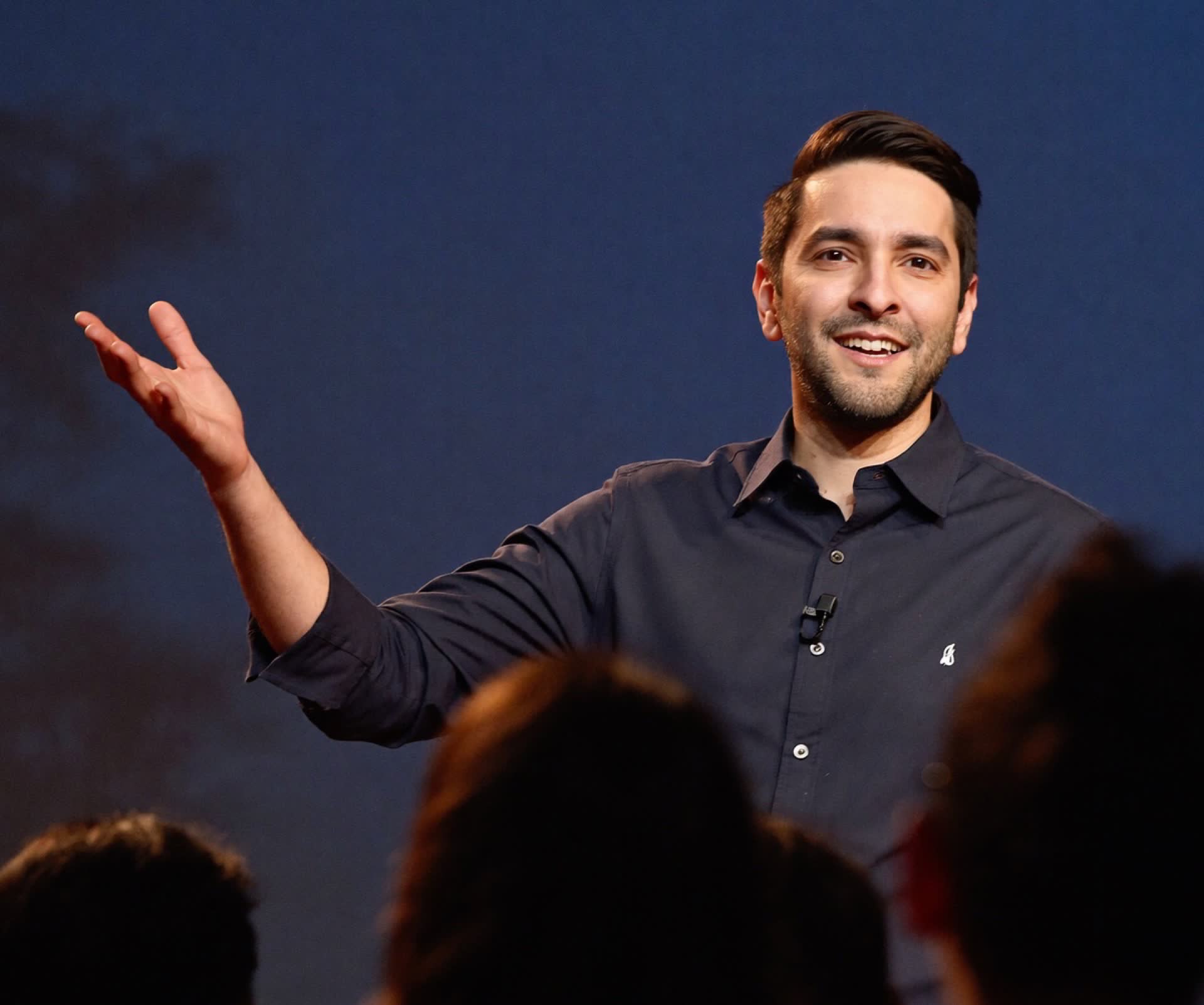
Zayaan Bawany came back from the UK planning to sell dried fruit. Instead he co-founded Ticketwala, survived COVID with 150,000 rupees in the bank, and built the platform behind thousands of Pakistani events.
The hustler who almost sold dried mangoes
Muzamil introduces the Endeavor Pakistan series episode with a puzzle: entertainment looks glamorous, but nobody inside it explains how it works. His guest laughs that off immediately. “It’s not as much glamour as you made it seem, especially when you’re managing the gate for these events in Pakistan,” says Zayaan Bawany, co-founder and CEO of Ticketwala. Bawany grew up privileged in Karachi, a Bawani, a family where, as he puts it, everyone just does business. His childhood rap sheet reads like founder foreshadowing: ironing crisp Eidi notes for resale value, selling brownies and biryani at school, selling bakras on Eid. At Lancaster University in the UK he sold tickets to his own birthday party, booked the club and the DJs himself, and ran a rival graduation ball that outdid the official one. When his father passed away during his second year and the family business closed as a path, he came back to Karachi in 2018 with two plans: a fitness business, since he was a certified personal trainer, or dried fruit, for which he had literally brought machinery back from the UK. Then his oldest friend, the other Zayan, called with a ticketing idea. “We just dropped everything. From today, this is what we’re doing.”
A blog before a platform
The founding sequence is the episode’s first lesson. Ticketing platforms already existed in Pakistan, some seven years older than them. What was missing, the three co-founders decided, was discovery: everyone around them insisted there was nothing to do in Karachi while events happened invisibly everywhere. So for the first year Ticketwala was a blog. They wrote up small and niche events that no one covered, sent organizers the articles, and let the organizers share them. “We growth-hacked our way forward, and we still do. We don’t have any internal marketing spend till today,” Bawany says. By the time the ticketing MVP launched, three months before COVID, the relationships were in place. The technology, he admits cheerfully, “was by far the worst platform I’ve ever used in my entire life”: he could not even see incoming orders. They had also, in his words, stupidly blown the small friends-and-family round raised from his mother and a friend.
COVID with 150,000 rupees in the bank
When the pandemic shut everything, Ticketwala had roughly 150,000 rupees left, under 100,000 rupees in all-time sales, and entertainment was the first industry to close and the last to reopen. Bawany calls it the best thing that ever happened to them. Everyone was suddenly forced online, so they listed personal trainers’ and makeup artists’ courses and workshops as events, handling registration and payments for people who did not want to post bank details on Instagram, and had their best months to date. One co-founder took a part-time job. The others launched Source Digital, a marketing agency run on outsourced project work with a maximum of one million rupees ever invested, which later became a weapon: Ticketwala runs its event organizers’ ad budgets through its own accounts, so years of campaigns for thousands of events trained their ad pixel to convert better than any organizer could alone. When events returned in October 2021, “we just kind of went straight to the top.”
Localization is the product
The most transferable insight in the conversation is about market behavior. In the UK, Bawany listed and marketed his own events on ticketing platforms and never spoke to a human; self-service was the norm and personal assistance the premium. Pakistan is the inverse. “Over here, personal assistance and someone doing it for you is the standard,” he says, noting that in thousands of events, exactly one person has ever created their own event on the website. Their UK-shaped product cost them their first two years. The rebuilt version leans into service: password-protected unlisted events with custom approval forms for the hush-hush crowd, multiple parallel payment gateways so a failing one can be switched off mid-sale, and a hard-won end to cash on delivery, which COVID gave them the excuse to kill. The flagship engineering choice is offline validation: unique one-scan QR codes verified without internet, because networks collapse under event crowds and, he claims, some competitors were pretending to scan. Gate management itself became a service, since “the entry is the most important thing for your event,” staffed by trained per-day crews in every city rather than payroll employees. All of this runs on one part-time developer. The first UI, Bawany volunteers, he built himself on Canva.
Profitable before funded
Muzamil pushes on the obvious critique: why not raise money and build a real tech team? The answer is part history, part philosophy. Early investors “just thought we were idiots for doing ticketing in events in Pakistan,” especially founders who refused to pivot into travel where the money was. So they operated lean, made every decision pay, and reached profitability in the last financial year without ever raising. The model is dual-sided: a 10 to 15 percent commission from the organizer, a flat per-order platform fee from the buyer, and processing costs passed through transparently. Gate services work on a personalized minimum-commission structure that keeps Ticketwala incentivized to maximize an event’s sales. They are raising now, but on one condition: “Whatever capital comes in needs to be strategic. It needs to open doors for us.” Muzamil’s verdict is that the sequencing was accidentally genius: competitors had better technology but no roots in the ecosystem, and technology can be built in a month.
From tickets to talent
The second half turns to the industry itself, and Muzamil’s frustration that Pakistan’s entertainment pie is too small to matter unless someone grows it. Bawany’s answer is vertical integration. Under the Source Talent brand, Ticketwala now manages eight artists including Hasan Raheem, works with labels like Sony, Universal, and Mass Appeal, and builds experience-first properties instead of guitar-and-goodnight concerts: the Nautanki tour, which he calls Pakistan’s first audiovisual concert experience, and the Unfiltered tour, re-recorded with a live band for intimate auditorium shows. A label bought part of Hasan Raheem’s IP, and they steered a slice of that budget into tour production that lifted his brand into global sold-out tours. The two also dissect what is broken: tier-two cities where a university show has no walking room but no organizer will take the risk, brands sponsoring on connections instead of ROI, a country with no venue fit for an international-scale show, and artists whose largest listener bases were in India until the streaming ban wiped 70 to 90 percent of their numbers overnight. Muzamil’s sharpest complaint, that artists refuse podcasts and public conversation while their managers plan nothing beyond bookings, gets an honest shrug: “Honestly, I have no idea. I think they should be out there.”
The 2050 trajectory
Bawany declines Muzamil’s usual hypothetical framing entirely: “I don’t think I even need to use if, because I think it’s a very straight trajectory.” Every metric he tracks, events, tickets per event, new artists, new venues, new organizers, has grown exponentially for six years, and he argues Pakistan’s lack of club culture channels all entertainment demand into events. Saturation will come, and the answer will be quality, new cities, and export. His closing point doubles as the company’s thesis, and Muzamil adopts it as the episode’s title-worthy line: focusing only on e-tickets would have left them far behind. “Ticketing is the byproduct. You need to expand horizontally and vertically to open up the market, and once you do that, you’re taking cuts of all the small things.”


Never miss a conversation.
New episodes and the thinking behind them, straight to your inbox. No hype, no spam, no pitch.