Thought Behind Things
Pakistan is stuck in history while the world moves on
Former Governor of Sindh Mohammad Zubair Umar sits down with Muzamil to trace a career from IBM to the cabinet, dissect the structural failures behind Pakistan's 23rd IMF programme, and make the case for regional trade, electoral continuity, and reforms that no government has yet had the courage to finish.
From a military family to IBM to the cabinet
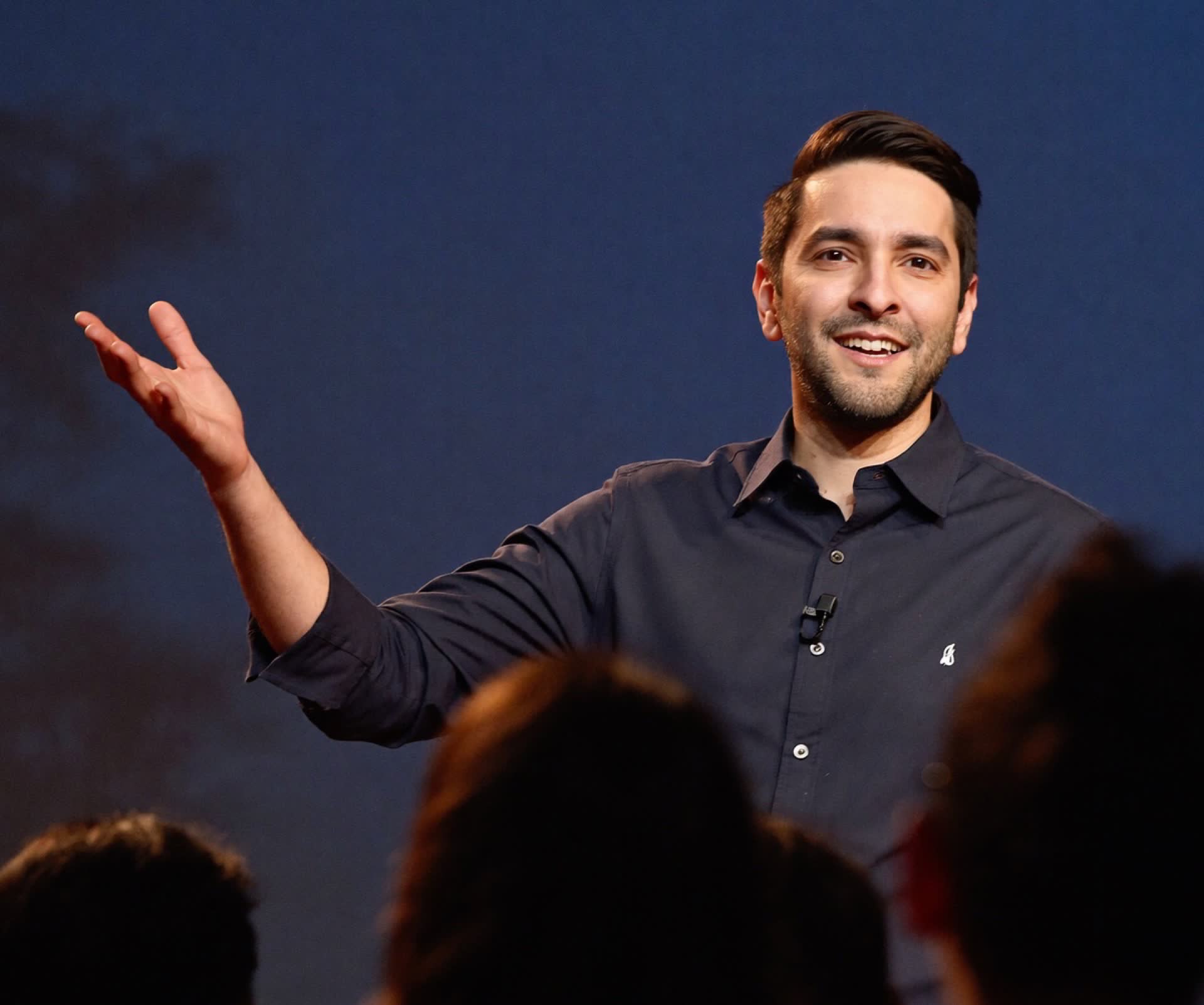
The episode opens with Muzamil setting an unusual tone. He tells the audience upfront that he will not be asking political questions in the conventional sense — there are plenty of channels for that. What he wants instead is the thought behind the thought process. The guest, Mohammad Zubair Umar, former Governor of Sindh and former Chairman of the Privatisation Commission, is someone who rarely gives interviews these days, and he says so himself: “I am not giving any interviews by the way these days. Hardly, hardly.”
Zubair’s early life was shaped by movement. His father was a military officer whose postings took the family through Dhaka, Quetta, Lahore, and Rawalpindi. His father’s final appointment was as National Security Advisor to President Yahya Khan. Education followed the pattern of most military families — public schools in whichever city the posting landed them, then Karachi University, then IBA Karachi, which at the time was the only business school in the country. Five to six thousand students competed for a hundred and fifty seats. He graduated, was offered a teaching position, and taught financial management for seven semesters at IBA’s evening campus — fulfilling what he describes as a genuine desire to teach — before IBM posted him to Paris.
His IBM career spanned Paris, Rome, Milan, Dubai, Johannesburg, and short-term assignments across the Middle East and Africa. When he left, he was Chief Financial Officer for the Middle East Africa region, based in Dubai, with what he describes simply as “a huge salary.” He left anyway. None of the brothers, he explains, ever had a strong desire to stay abroad. “When Paris में था تو میرے لیے ایک ایک ہفتہ گزارنا مشکل تھا” — when I was in Paris, spending even a single week there was difficult for me. The assignments were financially useful — they helped him build a house back home — but Pakistan was always where he intended to return.
Why ideology matters more than party loyalty
Zubair joined PML-N in July 2012 with no prior political connections, no family backing from the Sharifs, and no constituency base in Punjab. By June 2013 he was sitting in the federal cabinet. He uses this trajectory to make a broader argument about what political parties are actually for.
In mature democracies, he explains, parties represent genuine ideological divisions — liberal versus conservative, state intervention versus market freedom. In the United States, the Republican Party represents the conservative side and the Democrats the liberal side, and every policy question — economic theory, the role of the state, social issues — maps onto that divide. Pakistan once had a version of this: the People’s Party was left of centre, and there was a meaningful distinction between parties on questions like privatisation. That distinction has largely collapsed.
“اگر آپ PMLN اور PTI کو رکھیں ناں تو آپ سامنے figure heads ہٹا دیں تو باقی سب لوگ ایک running room میں بیٹھ کر سہمتیں کریں گے” — if you remove the figure heads from PML-N and PTI, everyone else would sit in a room and agree with each other. On gender issues, climate change, economics — for most part they are saying the same thing. The absence of real disagreement, he argues, is precisely why politicians default to accusing each other of corruption. If you have nothing substantive to disagree about, you have to manufacture something.
Muzamil pushes back gently, noting that within a single recent government there were two finance ministers — Miftah Ismail and Ishaq Dar — with visibly different economic philosophies. Zubair acknowledges the point but frames it as a problem of execution rather than ideology: the party knows what it believes, but the political pressures of coalition management and short electoral cycles prevent consistent implementation.
The 2013 inheritance: terrorism, Karachi, and the electricity crisis
Zubair is direct about the state Pakistan was in when PML-N came to power in 2013. The economy was in serious trouble across every indicator — inflation, growth rates, fiscal deficit, current account deficit. But beyond the numbers, there were two crises that had to be resolved before any economic programme could work.
The first was terrorism. A wave of violence had spread across the country. ANP candidates were being killed during the election campaign. The second was Karachi. “کراچی میں آپ دس minute کے notice پر پورا کراچی بند ہو جاتا تھا” — in Karachi, the entire city could be shut down on ten minutes’ notice. This was the financial hub of Pakistan. A foreign colleague based in Dubai, he says with authority from his IBM days, would not agree to make a one-day trip to Karachi. It was that bad.
The Karachi operation launched in September 2013 was the third such operation in the city’s history. What made it different, Zubair argues, was a deliberate political decision: for the first time since MQM entered electoral politics in 1988, the party was not given a seat in the federal cabinet. Every previous operation had been undermined by phone calls from political figures asking why rangers were going to this neighbourhood or that one. By keeping MQM out of the cabinet, the government removed that interference. Rangers were given full authority. The operation concluded with a measurable, sustained reduction in every category of crime — car snatching, mobile snatching, ransom, robbery — and Zubair, as Governor of Sindh, spent years presenting those statistics internationally to bring economic activity back to the city.
By the time PML-N left office, he says, inflation had fallen to three percent — the lowest in forty years. “آج پتہ نہیں پینتیس، تیس percent کچھ اکتیس بیسد پر ہے” — today it is somewhere around thirty or thirty-one percent. He is not asking for the comparison to be dismissed.
The structural trap: 23 IMF programmes in 60 years
Later in the discussion, Muzamil asks the question that sits underneath the entire conversation: why does Pakistan keep ending up in the same place? Zubair’s answer is blunt.
“ساٹھ سال میں تیئیسواں IMF program ہے” — this is the twenty-third IMF programme in sixty years. Every government since 1988 has entered one: Q League in 2002, PPP in 2008, PML-N in 2013, PTI in 2018, PML-N again in 2022. This is the thirteenth major balance-of-payments crisis since 1988. The problem is not cyclical. It is structural.
An IMF programme, he explains, is not a solution. It is a window — a period during which a government is supposed to fix the underlying economy. The reforms required are painful in the short run: tax reform, energy sector reform, restructuring or privatising state institutions, banking reform. Every government understands this. Every government wants to start immediately after winning, precisely to absorb the pain in the first two years and reap the benefits before the next election. But Pakistan’s cycle of interruptions — coups, judicial disqualifications, sit-ins, votes of no confidence — means no government ever completes the programme.
He describes the 2014 sit-in directly. For 126 days, Constitution Avenue was occupied. Ministers could not move freely in and out of their own offices. He was Privatisation Minister at the time, conducting road shows in London, trying to execute capital market transactions. “وہ ایک سو چھبیس دن Constitution Avenue کے سامنے آکر کوئی بیٹھ جائے آپ تھے کہ آپ اپنی ministry سے باہر جانا اور اندر آنا آپ کے لیے مال ہو” — when someone sits in front of Constitution Avenue for 126 days, simply leaving and entering your own ministry becomes a problem. Reforms that were planned were shelved. The political logic inside the cabinet shifted to managing the street, not managing the economy.
Countries stuck in history never move forward
One of the sharpest passages in the conversation comes when Zubair addresses Pakistan’s relationship with India and the broader question of regional trade.
Pakistan trades less than one percent with its neighbours. He contrasts this with ASEAN, the GCC, and the European Union, where the bulk of trade happens within the regional block. “ہم ٹماٹر Mexico سے منگوانے کے لیے تیار ہیں لیکن India سے منگوانے کے لیے تیار نہیں ہیں” — we are willing to import tomatoes from Mexico but not from India.
He describes a specific cabinet moment: the Economic Coordination Committee had approved a summary to import tomatoes and onions from India during a shortage. When it came to the full cabinet the next day, it was blocked. The people who blocked it, he says without naming them, invoked the 2019 revocation of Article 370 in Kashmir. His response is pointed: “وہ جو دادو میں اور مریدکے میں بیٹھا ہے جس کا چولہا نہیں جلنا اس سے پوچھا ہے آپ نے؟” — has anyone asked the person sitting in Dadu or Muridke whose stove won’t light? How many people went to sleep hungry that night?
He invokes Germany and Japan after the Second World War — not, he insists, as examples of hard work, because Germany was working hard under Hitler too, in the wrong direction. The lesson is different: “انہوں نے realize کیا کہ یار ہم کتنے سو سال ہو چکے ہیں، لڑ لڑ کے، مار مار کے تھک کے اور issues وہیں کے وہیں ہیں اور ہمارے عوام کو کیا فائدہ ہے؟” — they realised that after hundreds of years of fighting, the issues remained the same and ordinary people had gained nothing. The decisions were being made by elites who bore none of the cost.
He makes the same point about India-Saudi Arabia normalisation, noting that the issues involved are larger than anything Pakistan faces with India, yet countries move on. Pakistan, he argues, cannot wait for Modi to leave office — Modi won a second term, the 2024 elections are approaching, and no one knows what comes after.
The Punjab elections question and the IMF timeline
By the end of the conversation, Muzamil presses on the immediate political question: why not hold elections now? Zubair says he has been an advocate of early elections and that even Nawaz Sharif has been. But he lays out the constraint clearly.
Pakistan is in an active IMF programme. The ninth review has just been completed; the tenth and eleventh reviews are pending. The programme is mandated to complete by June. If the assemblies are dissolved today, a caretaker government cannot present the June budget, and the IMF programme collapses. The federal assembly’s five-year tenure ends in mid-August regardless. Dissolving in June and holding elections in October is, arithmetically, not very different from waiting out the constitutional term.
On Punjab specifically, he is unequivocal: elections are scheduled for April 30 and they will happen. Maryam Nawaz has already filed nomination papers from four constituencies — three in Lahore, one in Gujranwala. “آپ مجھے بالکل پکڑنا” — hold me to this. If April 30 passes without elections, come back and ask me why.
Muzamil closes with a direct request to the party: engage more. Stop retreating into a shell and expecting the public to understand positions that are never explained. “آپ کو اپنے bubble سے باہر نکلنا پڑے گا” — you have to step outside your bubble. It is not a hostile observation. It is, he says, the only way the public will ever be able to make an informed choice.


Never miss a conversation.
New episodes and the thinking behind them, straight to your inbox. No hype, no spam, no pitch.