Thought Behind Things
Hafiz Ahmed: I woke up at zero after a £600k night
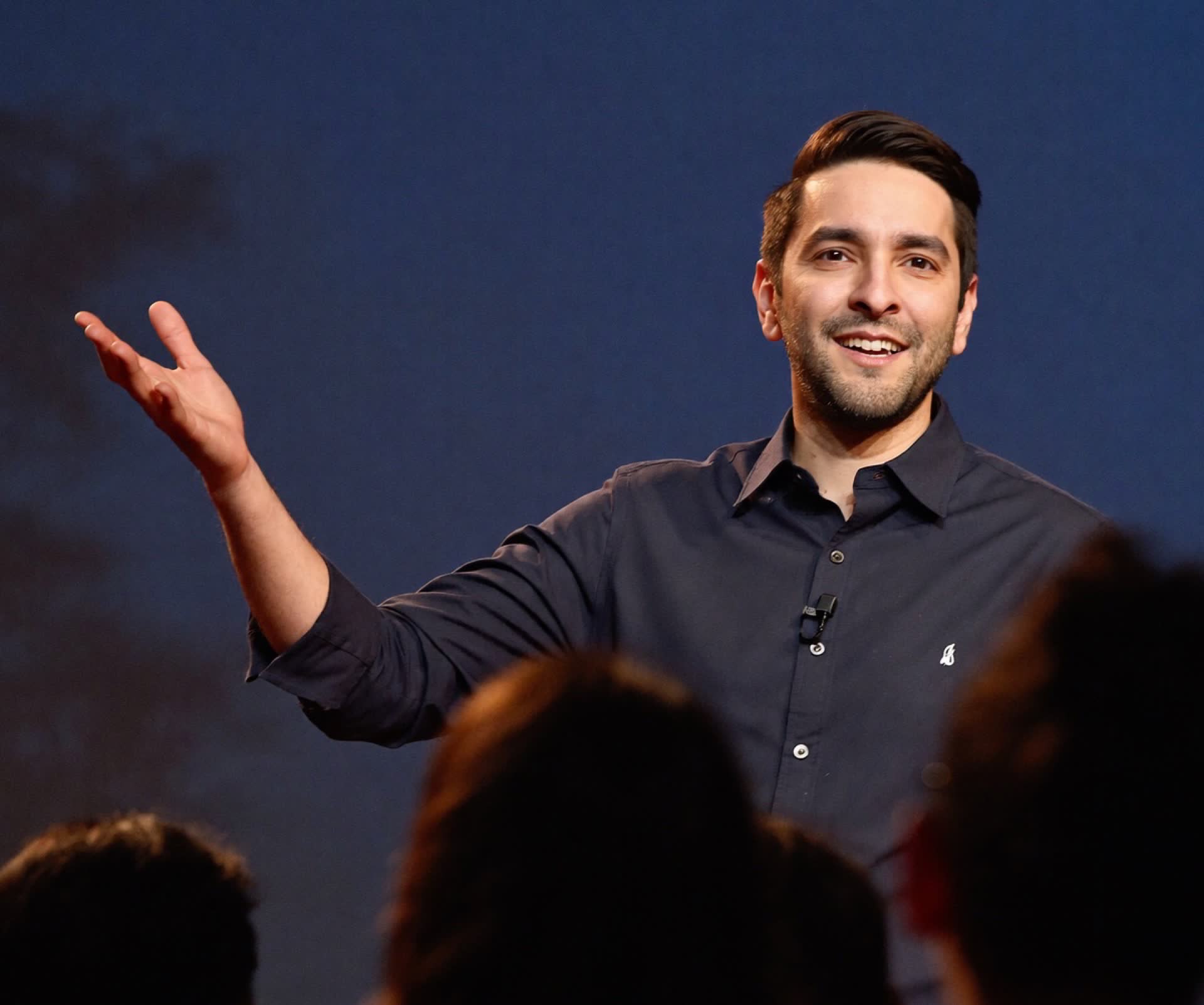
Hafiz Ahmed built a million-pound Amazon business in the UK, lost half of it to a partner overnight, and rebuilt from Pakistan. He tells Muzamil why he refuses to compare himself to yesterday's self — only to the shepherds his ancestors were.
A village with no electricity, and a father who sold his only plot
Hafiz Ahmed was born in 1988 in Chostan, near Bahawalpur — a village where, he tells Muzamil, “even today there is no electricity” and houses sit alone on people’s own land. His father had already taken a job as an imam at Punjab University in Lahore before marriage, so the family moved into a two-room university quarter where Hafiz spent the next twenty-five years. His father passed away roughly a month before the recording.
The turning point came in 2011. Hafiz pushed his father hard to send him to the UK. His father sold a plot he had built up over twenty-five years of small instalments. Hafiz is blunt about what the visa actually was: “मैं स्टडी वीजा पे गया था। लेकिन मैं पढ़ने नहीं गया था।”
Muzamil pushes on this — because for most Pakistani fathers, the logical move would be a government job, not a hawai fire abroad. Hafiz confirms his father tried. A Dr. Fazle Aleem at the university had offered him a job on the spot. Hafiz refused. His father even took him to the office. “मैंने शोर मचा दिया,” Hafiz recalls. “मैंने कहा मुझे बस बाहर ही जाना है।“
The £1 lakh remittance and the college that tried to blackmail him
Within a month of landing, Hafiz sent home Rs. 1 lakh — larger than his father’s monthly salary of 15,000-18,000 rupees. He worked 18-hour days between packing shifts and gas stations.
The break from the college came when an admin staffer demanded the balance of his tuition. He explained his father had sold everything and he could only legally work twenty hours a week. Her response was to threaten a Home Office report. He stopped attending the next day.
Two and a half years later the principal met him at a gathering and offered instalments. By then Hafiz’s business was running. “अब मुझे आपकी जरूरत नहीं है,” he told him — his visa was about to expire, he had already built a house in Lahore, and, as he put it to Muzamil with a smile, “मैंने पढ़ना मुझे आता ही नहीं था।“
A £300 start and a man in Manchester named Ayaz
The move from warehouse packer to seller happened almost by accident. Hafiz worked at a Pakistani-owned third-party warehouse whose owners kept the Amazon back-end hidden behind a locked door. When both brothers had to fly to Pakistan for their grandmother’s funeral, they trained Hafiz and a friend on the order-management interface for fifteen days. That was enough. “मैं सीख चुका था,” he tells Muzamil, and resigned the day they returned.
Starting capital was £300 split with a partner — bags, scissors, packing tape. What made it work was Ayaz, a Manchester textile factory owner. On a Pakistani friend’s recommendation, Ayaz extended Hafiz £1,000 of stock on credit. When Hafiz came back saying it had sold, Ayaz extended more. Amazon paid every two weeks; Hafiz paid Ayaz, pocketed the profit, and took fresh stock on credit. “उसने मुझसे यह नहीं पूछा कि यार वाकई बिक गया है,” Hafiz says. “आई डोंट नो उसके दिल में क्या आया।”
The product was a V-shaped pregnancy support pillow, which Hafiz is honest was “एक ड्रामेबाजी थी” — he and his partner couldn’t feel much difference themselves. The listing carried his personal UK mobile number in the description, which he told his partner to answer if anyone called, “क्या फर्दर डिटेल देनी है हमें तो पता ही कुछ नहीं है।” At peak they shipped 1,000-1,500 orders a day. Hafiz jokes that his UK friends used to say: “यूके में अगर किसी घर में वी पिलो होगा ना तो वो हाफिज ने बेचा होगा।”
He built a triple-storey house in Lahore on the profits of that one product.
One night: from £300,000 to zero
Then his Amazon login stopped working. His partner — under 18 when the company was first registered in Hafiz’s name alone, later given 50% — had opened a new company and migrated the Amazon account to it. When Hafiz messaged asking for the password, the reply was blunt: “बिज़नेस मेरा है। थैंक यू। अल्लाह हाफिज।”
Hafiz estimates the business was worth around £600,000 at that moment. His half was gone. “रात को मैं हजारों लाखों पाउंड के बिनेस का मालिक था। सुबह उठा तो मैं जीरो पे था।” He tried to reach the partner’s family in Pakistan; they said nothing could be done.
Muzamil presses him on how he didn’t spiral. Hafiz’s answer is the emotional core of the episode: he refused to compare himself to the version of himself the night before. He compared himself instead to his ancestors. “हमारा जो अबाई पेशा है वो भेड़ बकरियां चलाने गांव में है। मैंने कहा यार हम भेड़ बकरियां चराने वाले लोगों को अल्लाह लाहौर ले आया।” The family still had a house, a car, some savings. He tried a couple of small businesses, lost a few lakhs on them, and waited.
The comeback via Sunny Ali, Saqib Azhar, and Pakistan
The restart came in 2018 when Sunny Ali and Saqib Azhar started teaching Pakistanis about Amazon. Hafiz is unusually direct with Muzamil about the debate around them: “बहुत रियल इंपैक्ट था और अभी भी है।” He compares the critics to students who drop a semester while classmates take gold medals under the same teacher.
He worked closely with Sunny Ali through COVID, ran seminars across Pakistan when the founders couldn’t travel, and did a three-way $300,000 asset flip with them. The split came in 2020 when Hafiz decided to launch his own brand under his own name — E-Comrades — and take the full chunk himself.
What Amazon economics actually look like
Muzamil presses on the numbers. Hafiz says E-Comrades has 400+ clients, several with monthly sales above a million dollars, but immediately warns not to be seduced by top-line revenue.
A seller doing a million dollars on one SKU with tight margins might net $300,000. A seller doing a million across a hundred SKUs might net $50,000 — because half those SKUs are run at breakeven or a loss on purpose. “कोई प्रोडक्ट माइनस में भी बेच रहा होता है,” Hafiz explains, to keep reviews flowing and visibility in the algorithm.
He is candid about why even Sialkot manufacturers with their own factories often import from China to sell on Amazon. On a visit to the Canton Fair, he asked a supplier for the price of a Samsung-style charger. The reply: “आप बताएं आपको कितने में चाहिए?” — $2 or 50 cents, whatever margin the buyer wanted to hit.
The one category where Pakistan and India still beat China outright is cotton textiles. Large Chinese cotton orders are frequently manufactured in Pakistan and re-exported. That’s the moat Utopia — the Pakistani-American brand Hafiz has interviewed multiple times — has ridden. He tells Muzamil that even Utopia has many failed products; the model works because “100 में से कोई तो चलेगी ना।“
Why he moved to the US
Muzamil frames the paradox: financially, staying in Pakistan while earning in dollars is unbeatable. Hafiz agrees — “$1,000 में यार 28, 30 लाख में आपके तो मजे ही मजे होते हैं” — but says the decision was about security, not money.
Two of his podcasts had turned into serious controversies. One, with Allama Jawad Naqvi, drew a Sunni backlash: “थाना कचहरी तक ये मामला गया मेरा।” Another, in which he discussed being beaten as a madrassa student, drew a coordinated scholarly campaign against him. He was more worried for his young children than himself. He already had US documentation from years of travel. So he moved.
The forex chapter — and why he refuses to charge for it
The forex segment is where Muzamil pushes hardest. Hafiz agrees that 70-90% of retail forex ends in losses — but insists the loss almost always comes from one specific mistake: handing money to someone else to trade. AI-generated videos of him circulate on TikTok. He once saw one built from an old Iqrarul Hassan interview, in which “he” promised jobs for a 7,000-rupee fee.
His rule to his community is unglamorous: open your own broker account, put in only the money you’d otherwise blow on pizza or top-up gifts, and always set a stop loss. “फॉरेक्स सिर्फ उसका काम है जिसके पास 100, 200 डॉलर हो,” he says — those risking lakhs can’t absorb the psychological damage of losing.
He compares himself, cheekily, to Imran Khan entering politics: he came into the trading education space because he watched too many young Pakistanis get their accounts washed by brokers he calls unsearchable outside Pakistan. He runs the community free — no course fee, no paid signals, weekly live Zoom classes.
When Muzamil challenges him directly on the incentive, Hafiz doesn’t dodge. Amazon consulting clients and paid one-to-one sessions come to him because of the halo. “अगर कोई बंदा ये झूठ बोले कि मुझे कुछ भी नहीं मिलता तो ये ज्यादती वाली बात है।” He points to DigiSkills, the Pakistani government’s free skills initiative, which asked him to record a 24-hour Amazon course knowing it would cannibalise his own paid students. He did it anyway.
Personal branding and who AI actually benefits
The most forward-looking stretch is on AI and personal branding. Muzamil argues that in an era where “एक अच्छी खूबसूरत कंपनी बनाना एक रात की मार है,” the founder’s lived story is the only remaining moat. Hafiz agrees and pushes further: even employees now need to build a personal brand to survive.
His sharpest observation is about who AI actually benefits. Not the 20-year-old with no domain knowledge trying to launch an Amazon store with ChatGPT — Hafiz thinks that person will fail, the way beginners failed at Amazon in 2018. The real winners are the 25-to-45-year-olds who already have deep domain knowledge but were previously locked out because they lacked the technical layer. AI has collapsed the value of that layer. Their domain knowledge is suddenly monetisable globally.
He is visibly excited by a Claude-based multi-agent setup Muzamil shows him — 18 automated employees replying to YouTube comments in Urdu — and admits how much his own social media team currently misses. “बाज दफा मैसेज देख रहा हूं तो पुराने-पुराने ऐसीऐसी बड़ी कंपनी की तरफ से ऑफर आए हुए थे। मैसेज ही मिस हुआ होगा।“
What he wants for Pakistan by 2050
Muzamil closes with his standard question. Hafiz avoids prediction. He points to what changed his own business overnight — Strait of Hormuz tensions pushed a shipping container from $5,000 to $20,000 and war-factor insurance from $1,000 to $10,000 per container. He held his own inventory in China rather than land it at a loss.
His message to Pakistanis is repeated several times: don’t rely on one income stream, and earn at least part of your income in dollars. His own experience of the rupee falling from 106 to over 200 cost him nothing, because his income was already dollar-denominated. Fuel doubled and he didn’t notice.
By the end of the ninety-minute conversation, the through-line is clear. Hafiz Ahmed’s story isn’t really about Amazon or forex or podcasting. It is about a psychological posture — one he attributes to his father’s forty years of quietly getting other people’s jobs sorted at Punjab University — that let him lose everything in a single night and start again without spiralling. As he tells Muzamil near the end, quoting his father: “मैन प्रपोज गॉड डिस्पोजेस।”


Never miss a conversation.
New episodes and the thinking behind them, straight to your inbox. No hype, no spam, no pitch.