Thought Behind Things
Pakistan's startup fund covers 30 percent of a round
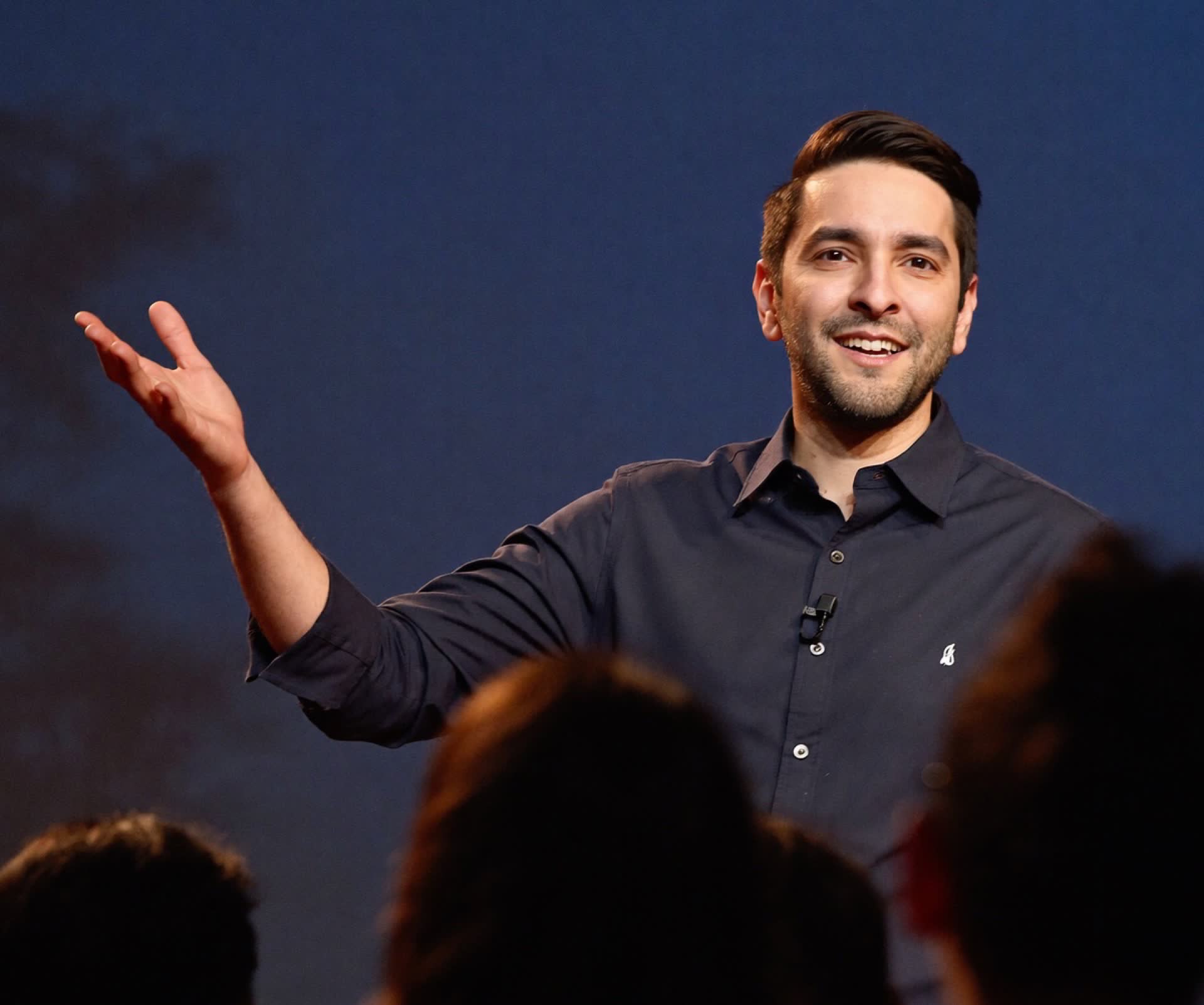
Nayab Babar runs the Pakistan Startup Fund from inside government. He explains the 30 percent grant model, why the fund is only 10 million dollars, and the 200 million fund of funds he is building next.
From Warcraft rankings to war-room finance
Muzamil opens the Endeavor Pakistan series episode with the question everyone asked when the Pakistan Startup Fund launched with fanfare a year earlier: what actually happened to it? His guest is Nayab Babar, the fund’s Chief Investment Officer, whose route into the job is anything but bureaucratic. Raised between Lahore and Islamabad, the son of an Air Force pilot who flew in the 1965 war and died in a car accident when Nayab was young, he was a mediocre student who happened to be one of Pakistan’s best Dota and Warcraft 3 players. Both men, it turns out, credit real-time strategy games for how they think. “The best thing you can do is not react,” Babar says of the tactical patience the genre taught him. The gamer became a finance nerd almost overnight at university, going from C grades to distinction while starting the CFA, then on to a master’s at Queen Mary in London, chosen, he admits, mostly because it was the cheapest option he got into.
The unlikely favourite job: FWO
Before venture capital, Babar’s formative years came somewhere no one expects: the Frontier Works Organisation. “Probably my favourite place that I’ve ever worked,” he tells a surprised Muzamil. On the project-finance side of FWO, he built the financial models for public-private partnership bids on projects like expressways and ring roads, negotiated debt with major banks while still in his twenties, and enjoyed a level of liberty he says he never found again, with small hierarchies and fast decisions. Consultants reviewing for the government side complimented models he deliberately kept clean and easy to use: “If I don’t understand it, then what will anyone else understand?” From there came a World Bank consultancy, then VEON Ventures, the corporate venture arm behind Jazz, where he participated in ShopUp’s landmark Bangladesh rounds alongside Sequoia and Peter Thiel’s Valar, and led locally into Dastgyr. When the Russia-Ukraine war froze VEON’s spending arm, he moved to JazzCash, and at the end of January 2025 he crossed into government.
What the fund actually is
The structure takes untangling, and Muzamil makes him do it. The fund sits inside Ignite, the Ministry of IT’s national technology fund, with money flowing from the Public Sector Development Programme. The model is deliberately not a VC: when a startup raises a round, the fund can contribute up to 30 percent of the round as a grant. The founder takes no extra dilution, the private investor’s burden shrinks, and the state gets a funded technology company. “PSF can never fill Pakistan’s whole gap,” Babar says, and the numbers prove it: the fund’s lifetime pool is about 3 billion rupees, a little over 10 million dollars, in a market that once absorbed 350 million dollars in a single year before crashing to roughly 75 million in 2023 and around 40 million in 2024. When Muzamil presses on what happens when the 10 million runs out, the answer is blunt: “Then it’s done.” Which is exactly why, Babar says, the real work is the sustainable structures behind it. A companion program, Bridge Start, already pays to place Pakistani startups into foreign accelerators, from the famous ones to Saudi and Dubai programs, with alumni like a 23-year-old founder earning revenue from the Saudi government and a safety-gear startup winning contracts in Canada.
The correction nobody enjoyed but everybody needed
The two spend the middle of the conversation on the boom and bust. Babar arrived in venture in 2020 from pure finance, confused by a world where user counts outranked cash flows, just as tourist capital from over-heated Western markets found a tiny ecosystem with a small supply of startups and drove valuations up. The 2022 reversal, both agree, was a necessary correction with a local overcorrection on top, thanks to Pakistan’s own macro crisis. His lessons from inside: investors need dry powder for the winter, startups must guard their raise, and above all, “the day a fund actually exits, that’s the real day” foreign investors believe in Pakistan again, because no local fund has yet returned the money that proves the story. He also mounts a defense of the early NIC incubator era that Muzamil critiques: nobody knew anything yet, the change in government is incremental rather than a hockey stick, and quiet successes now exist that no one covers because startups stopped being the word of the day.
AI starts the race at zero
The title thesis emerges when Muzamil lays out his familiar numbers: India’s services exports heading toward 800 billion dollars by Goldman Sachs’ estimate while Pakistan sits near 5 billion, and tens of millions of new remote jobs coming by 2030. His argument: in AI, India’s head start dissolves, because their five-million-strong legacy industry is built for an older world, and “technically, them and us are starting the race together.” Babar agrees, with a caveat about hype clouding judgment, and expects an AI correction on the scale of the dot-com bust, one Pakistan is partly insulated from precisely because so little AI capital sits here. What Pakistan can do is build the boring foundation: mass skills development, infrastructure, and commercialization, which he says the new national AI policy and a planned national AI innovation hub, a project he sizes at about 700 million dollars, are meant to address. Both keep returning to the same bottleneck Muzamil quantifies from HEC and industry data: millions of students studying subjects the market does not want, and a fraction of the trained resources needed to hit the export numbers everyone quotes.
The Uplift problem, and the fix
Muzamil poses the hardest structural question through an example: Uplift AI, the Y Combinator-backed startup building voice models for Urdu, Sindhi, Pashto, and Balochi, foundational work for education in a country where most people do not learn in English. A company that good has global options and will never stand in line for a government form, so a reactive fund waiting for applications will always miss the highest-impact players. Babar concedes the point and describes the answer he is building: public-private partnership structures where the government anchors the money and independent private fund managers run the theses, the due diligence, and the deployment. The flagship is a fund of funds, targeted at roughly 200 million dollars, designed so local VCs get capital and foreign investors get a credible local anchor to follow. “We should be the engineering arm of that project, not the execution arm,” he says, with the first structure hoped for within months.
Betting on desperation
Asked for his 2050 vision, Babar reaches for the cycle: hard times create strong men, and empires rebuild from the bottom of the curve. He is optimistic precisely because the last few years left no room to fall further, and because desperation has finally reached the top: “When your back is to the wall, you start hitting in auto.” His bets are sectors, not slogans: AI, agriculture, power, cloud computing, and semiconductor design and research, with the diaspora as the bridge, citing Pakistani-built unicorns abroad and figures like Naveed Sherwani now advising the country. Ten years from now, he suggests, the CEO of the next OpenAI could be a Pakistani. Muzamil closes hoping the announcements arrive before the government cycle buries them, which, both men agree, is the actual race.


Never miss a conversation.
New episodes and the thinking behind them, straight to your inbox. No hype, no spam, no pitch.