Thought Behind Things
Mirza Abeer makes his case that vaping beats smoking
How evidence-based harm reduction can solve Pakistan's smoking crisis. Mirza Abeer on vaping science, policy, and building local alternatives.
Audio-only episode. Listen here:
A Smoker’s Journey to Alternatives
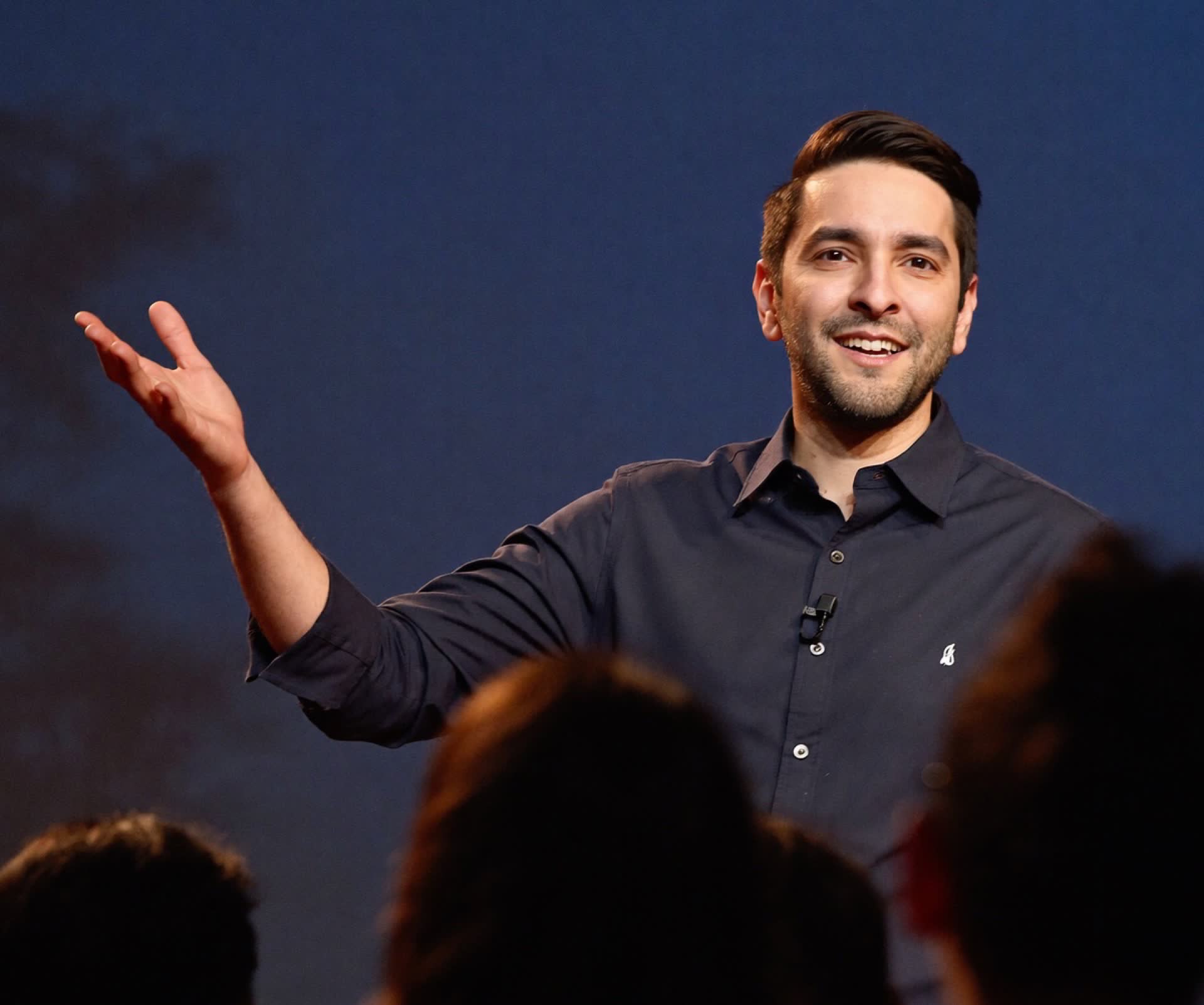
Muzamil opens the episode by introducing Mirza Abeer, a guest whose research on vaping has led him to found the Association of Smoking Alternatives Pakistan. Abeer explains his personal path: “I was a smoker. I started at typical Pakistani age. I started smoking when I was 15.” After 13 years as a pack-a-day smoker, he discovered vaping as a way to quit. The decision came after years of struggling with asthma, bad breath, and social shame. Muzamil relates to the story, having quit smoking himself after his marriage, and the conversation deepens into the science and policy behind smoking alternatives.
What Is Vaping, and How Does It Differ from Smoking
Abeer walks through the fundamental distinction between smoking and vaping. Smoking, by definition, involves combustion and fire, which creates 7,000 chemicals in cigarette smoke. Vaping heats liquid without burning it, producing only vapor. The liquid itself is simple: vegetable glycerin, propylene glycol (a food-grade chemical the FDA classifies as “generally recognized as safe”), flavorings, and nicotine. Muzamil listens as Abeer explains that this is not a marketing claim but chemistry. The vapor dissipates; it does not linger in lungs the way smoke does.
Pakistan’s Smoking Crisis and Hidden Cost
Abeer presents data from Pakistan’s Tobacco Control Cell. “According to that, 15.6 million, 1.50 crore smokers in Pakistan, in 2017.” The figure is likely higher now. More startling: annual deaths from tobacco use were around 160,000. Muzamil notes his own experience, alhamdulillah, his chronic bronchitis disappeared after quitting. But for millions of Pakistanis, the health burden is catastrophic. Abeer emphasizes a point Muzamil’s audience rarely hears: “smoking is the number one reason for why people fall into poverty is actually health-related issues.” One serious illness from tobacco can bankrupt a family. In this context, Muzamil understands why access to safer alternatives matters not just for health but for economic survival.
The Case for Nicotine, Not Smoking
A critical misconception clouds the vaping debate: that nicotine itself is dangerous. Abeer corrects this. The FDA approves nicotine gum and patches, which means the regulatory body that set the standard has deemed nicotine safe when not accompanied by combustion. Nicotine is a stimulant, like caffeine. Abeer notes, “nicotine is a stimulant like caffeine, right? Coffee level, like myself, it’s the same.” Long-term users of patches and gums show no catastrophic health effects. The harm in smoking comes from the 7,000 chemicals created by burning tobacco, not from nicotine alone.
The Truth Behind the EVali Panic
Muzamil remembers articles about EVali, the electronic cigarette and vaping associated lung injury outbreak in the US. He and Abeer unpick what actually happened. The illness came from illicit THC cartridges cut with vitamin E acetate, a substance that cannot be metabolized by the lungs. It was not a vaping problem; it was a black-market drug problem. Abeer explains how vendors, unable to afford legitimate extraction costs, cut THC oil with cheap vitamin E acetate to make profit. Legitimate nicotine vaping products were never involved. This confusion, amplified by media, created a global narrative that vaping caused lung injury when the culprit was adulteration.
International Evidence and Local Policy Failure
Abeer cites what governments with healthcare systems have concluded. The UK’s NHS, Public Health England, and the Royal College of Physicians all state, “vaping is 95% safer than smoking.” New Zealand reversed its vaping ban because they realized the path to a smoke-free society required alternatives. Even Heathrow Airport has vaping lounges, the logic being that vapers and smokers should be separated since secondhand smoke is dangerous but secondhand vapor is not. Yet Pakistan has no regulation, no official guidance, and no industry framework. Muzamil grasps the contradiction: governments with fewer resources than Pakistan have embraced evidence-based policy. Pakistan has not.
Building a Local Industry and Regulating for Safety
Abeer pushes for a bold idea: Pakistan should produce vaping devices locally, not import them. “If you need an investment, make a vaping friendly country. You can make an investment here. So people will make themselves here.” The economics are simple. China manufactures vaping hardware because labor is cheap. Malaysia and the UK produce e-liquids at scale. A device that costs USD 50 imported can be made locally for far less. A coil is wire wrapped around cotton; metal casing is stamped metal. Pakistan manufactures footballs for FIFA and smartphones worth 1,500 rupees. A 800-rupee locally-made device is not a technological leap. Regulation, Abeer argues, is the key. Age-gating, childproof containers, quality oversight, and advertising standards exist in the UK through the Tobacco Products Directive. These prevent harm without banning the product.
ASAP’s Mission and the Danger of Bans
Abeer concludes by laying out the Association of Smoking Alternatives Pakistan’s approach. ASAP is registering as a nonprofit under the Companies Act. The goal is not to push vaping but to prevent a knee-jerk ban that would drive users to black-market products of unknown quality. “If industry is regulated, there will be a clear message to everyone,” Abeer says. Muzamil agrees, noting that bans create gray channels and counterfeit goods. The example of Chinese namak, technically banned but widely eaten, illustrates how prohibition fails. Abeer calls for dialogue: bring in experts, examine global evidence, and involve government before fear drives policy. If Philip Morris is moving toward harm reduction, Pakistan should be capable of the same conversation. The Association has allied with international networks like CAFRA and INCO to ensure that local advocacy is grounded in global science.


Never miss a conversation.
New episodes and the thinking behind them, straight to your inbox. No hype, no spam, no pitch.