Thought Behind Things
Hustle matters more than ideas in Pakistan
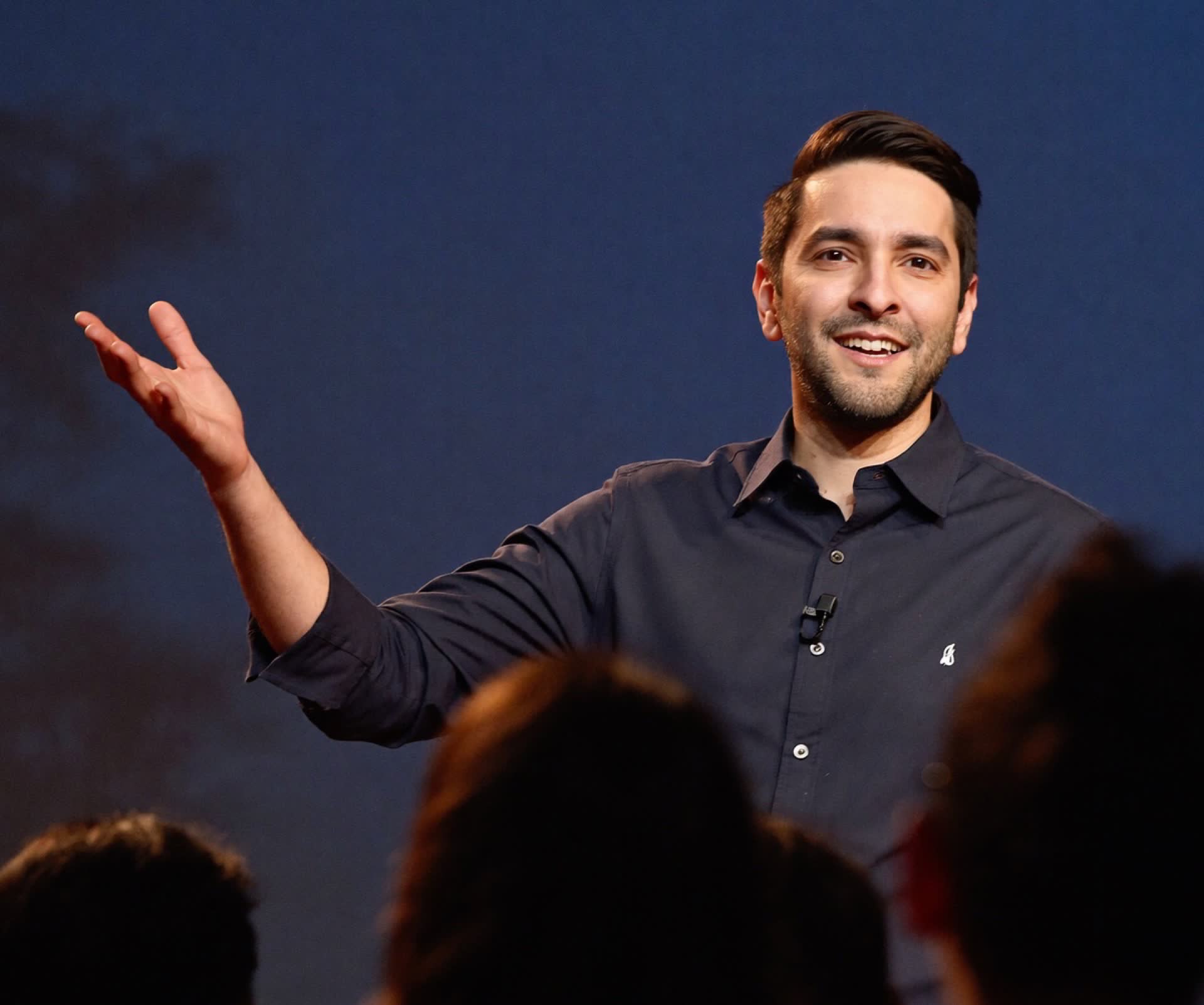
How can Pakistan's startup talent translate into global exits? Fasieh Mehta unpacks why persistence, market understanding, and user-driven thinking matter more than ideas alone.
Audio-only episode. Listen here:
The Catalyst: COVID and Pakistan’s Startup Moment
Muzamil opens the conversation by asking Fasieh about the Pakistani startup landscape. Fasieh argues that COVID was transformative. “COVID has accelerated everything,” Fasieh says. The pandemic forced brick-and-mortar businesses online, put focus on technology, and opened doors for international investment. Muzamil notes that Pakistan saw over 20 million dollars flow into startups during COVID, a real shift in momentum. But he pushes back on the hype. “I’ve been hearing this for five years,” Muzamil says. “There’s always a catalyst. This is always the year.”
Why Pakistani Startups Don’t Scale
Fasieh acknowledges the tension. Real growth has happened, but most success stories involve founders with Silicon Valley access and investor connections. The gap for an average graduate with an idea but no network is vast. “Without international experience or fundraising acumen, what prospects do you have?” Muzamil asks bluntly.
Fasieh met a World Economic Forum fellow in Vietnam who visited Pakistan and asked what to invest in. “I didn’t know what to tell him,” Fasieh recalls. The founder realized the problem was not lack of capability, but lack of visibility. Pakistan’s achievements go undocumented. “We don’t have a big Pakistani unicorn success story on the news,” Fasieh says. Even startups like Kareem, Airlift, and others built by founders with Western networks get global attention, but homegrown ventures remain invisible.
The Hero Problem
This invisibility runs deep. Muzamil and Fasieh discuss how Pakistan’s universities never teach entrepreneurship through local examples. “Study Zuckerberg, Elon Musk, Bezos,” Fasieh explains. “Who is the Pakistani founder your generation looks up to?” The curriculum teaches historical heroes who are either long dead or have weak relevance to modern business. “Why didn’t we study the Tatas, Mittals, and Ambanis in school, like India does?” Fasieh asks. Pakistan has industrial legends, denim producers exporting globally, massive conglomerates, yet nobody knows them. “Our heroes are not documented,” Fasieh says.
Hustle Is Non-Negotiable
Muzamil and Fasieh turn to the myth of easy success. Many young people want to launch startups, “but they want to be millionaires, drive Ferraris, get fame,” Fasieh observes. They see the exit, not the years of grind behind it. Fasieh shares a parable about a guru who holds a student’s head underwater, then asks what he wanted most: air. “Until you want success as badly as you want to breathe,” Fasieh says, “you will not be successful.”
The issue is follow-through. Muzamil agrees. Incubators offer free desks, free meals, networking, but when the skin-in-the-game is zero, most founders quit in three to six months. “It’s not easy,” Fasieh says. “But vision gets capped early.”
User-Driven Products, Not Ego Projects
Fasieh emphasizes that most founders solve problems they invent, not problems their customers actually have. “You’ve made your product,” Fasieh explains. “You’ve thought about it. You assume it will be successful. Then you fail and blame the investor.” He advises going to ten customers and asking: would you buy this? At what price? Would you really switch? Most founders skip this step.
Muzamil shares an example of an e-commerce founder who ran all ads to tier 1 cities but found that 67 percent of his customers came from tier 2 and tier 3 cities. “Imagine the impact of fixing that,” Muzamil says. The data was there. The insight was not.
Pakistan’s Hidden Wealth of Talent
Fasieh points out that Pakistan has 114 million people under 25, a consumer spending of 257 billion dollars annually, and 176 million cell phone subscribers. “We are not a small, menial, developing nation,” Fasieh insists. Yet the narrative at home is that Pakistan is risky. Meanwhile, Pakistani diaspora and wealthy individuals abroad have capital looking for opportunities. “They don’t know what’s happening in Pakistan,” Fasieh says. The media does not tell these stories.
He cites Quixel, the Pakistani 3D asset company that was acquired by EPIC Games as a global success now known to game developers everywhere. Quixel achieved this because the founders focused on quality and built an international network at game conferences. “That’s the success we need to broadcast,” Fasieh says.
Hope in Resilience
As the conversation closes, Fasieh expresses deep optimism about Pakistan’s future. “I see Pakistan driven by young leadership,” Fasieh says. “The youth of this nation will take things into their hands and show the government, the private sector, and everyone else how it is done.” He sees resilience in the national character. Pakistan has survived hard times. The next phase, he believes, will be unlocked not by policy change but by young founders who build, fail, iterate, and win.
“It’s only a matter of time,” Fasieh concludes.


Never miss a conversation.
New episodes and the thinking behind them, straight to your inbox. No hype, no spam, no pitch.