Thought Behind Things
Leaving engineering to build a creative voice
A mechanical engineer turned photographer built a portfolio by pursuing authenticity over credentials. How he chose creativity in a technical family.
Audio-only episode. Listen here:
Starting with your mother’s camera
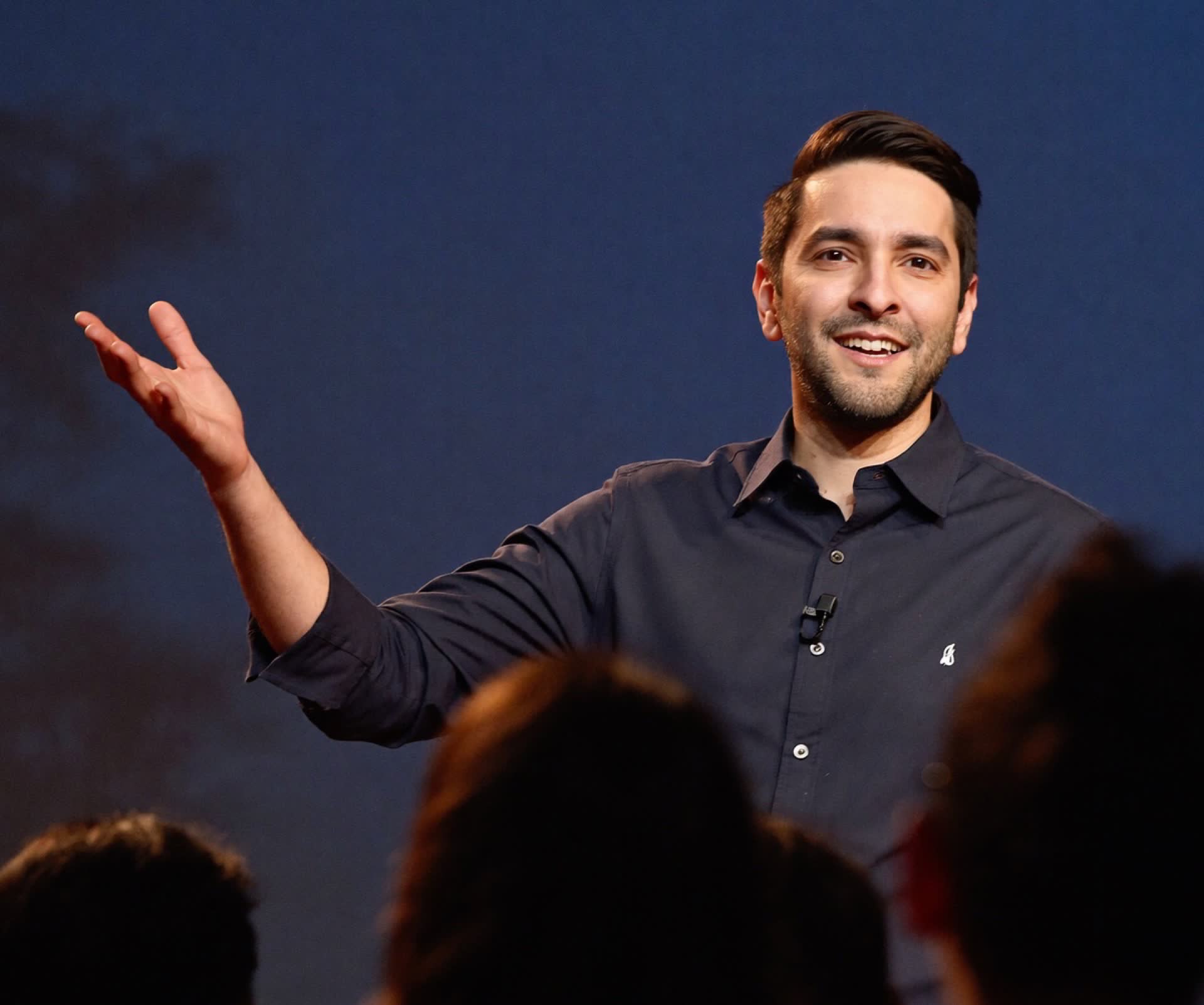
Muaz begins by crediting his mother, whose interest in video got him interested young. She used a VCR camera in the house, and he would help and make videos on it. In 2012, at a formative moment, Muaz bought his first camera: a Nikon D3200. He was drawn to the mechanical side of it. After a year, he realized something simple: “I think I’m better at the back of the camera,” he tells Muzamil. It was a natural recognition, not forced. No formal training. Just a feeling that took one year to confirm.
The university-and-work split
At 15, Muaz entered university to study mechanical engineering. It was not the obvious creative path. His whole family lived in technical fields: his father a botanist, his mother a school principal, his sister a doctor. When he tried to do both school and photography, the worlds collided. His friends diverged into university life; Muaz stayed focused. He says he never made many friends in university, and that was intentional. The people who mattered to him were already in his life, and they understood the dual path.
In 2015, he graduated and began work at Descon as an assistant quality manager. It was a dream job by traditional measures: a core engineering firm, stable, prestigious. Yet his mind stayed on photography. “It’s sometimes, but it’s that I’ve put my clothes in my clothes. Now there’s no turning back,” Muaz says in a moment of clarity. He had already proven he could succeed at both. The question was whether to keep splitting or commit.
The 7up break
His big break came when a friend at BBDO, the advertising firm, recommended him for a 7up campaign. Muaz had never worked with a global brand. The first batch of photos came back rejected. “They got angry, but I told them to only tell me what you need, what do you have in mind,” he recalls. The second batch arrived and their comment was sharp: “This looked like 7 of USA.” It was the highest compliment. He traveled to 11 cities in three days on weekends while still at university. His father drove him at night because he could not do both. The shoot became the proof point. Shahzeb and Hrida Shah, his friends at BBDO, gave him honest feedback and took a sincere interest in his work. That sincerity unlocked something.
When Muzamil asks if he felt pressured to rush, Muaz is clear about the turning point. After the 7up project, he came back to university “hungry” and almost did not finish his degree. His father said one thing: “Whatever it is, you will complete the degree.” So he did. Four years, done. Muzamil later tells him: “I think that was a smart move.”
The threshold for paid work
Now Muaz works in weddings and corporate video. His studio sits in E11, Islamabad. He is deliberate about which events he takes. “There are a lot of things that I don’t want to go to an event at 10 times. If there is an event that I don’t want to go to an event, if I insist on an event, I don’t want to go to an event, that doesn’t turn out good,” he says. It sounds tangled in the transcript, but the point is clear: his presence matters. Clients know Muaz is coming, and that commitment shapes the entire event. He does not send teams alone.
On the free-work question, his stance is measured. Muaz has a threshold. If the project aligns with his interest and he feels excited, he will do it free. If it is pure business and he is not excited, he will not. “You have to keep limitations so that this is a threshold,” he tells Muzamil. Below that line, he does not trade time for exposure. It protects his rates and his credibility.
The creative saturation myth
Muzamil asks if the creative industry in Pakistan is saturated. Muaz disagrees. “If it’s 100 percent saturation, I think it’s 25 percent,” he says. The market is not full. But it is not wide open either. Entry requires patience. The comparison is blunt: just as mechanical engineering takes four years of university plus years of project work before competence, photography demands the same. Most new photographers rush. They graduate, they need money, they push too hard, they lose momentum. The photographers who waited and stayed patient built studios. Muaz sees this pattern in his peers.
What he will not do
Muzamil asks if Muaz will ever get into YouTube content creation or social media as a personal brand. “No,” he says, and he means it. A time came when he wanted to, but he decided against it. “I want to put my whole effort in one place. My whole energy, my whole thought process.” If he splits between weddings and YouTube, both suffer. He respects the craft too much to fragment.
The last word on patience
When Muzamil asks what wisdom Muaz would leave, it comes down to one thing: “Explore yourself and be patient. Be patient. It’s very important.” Pakistan has problems, he says. No one can deny that. But that is not an excuse to sit and say nothing is possible. Every major person and brand came from the same constraints. Privilege is a story people tell, not a fact. So explore, be patient, and let the work compound. Muzamil thanks him and says he is excited for what comes next. Muaz says he will see Muzamil in Islamabad soon, and that is that.


Never miss a conversation.
New episodes and the thinking behind them, straight to your inbox. No hype, no spam, no pitch.