Thought Behind Things
Good people can't fix a broken system
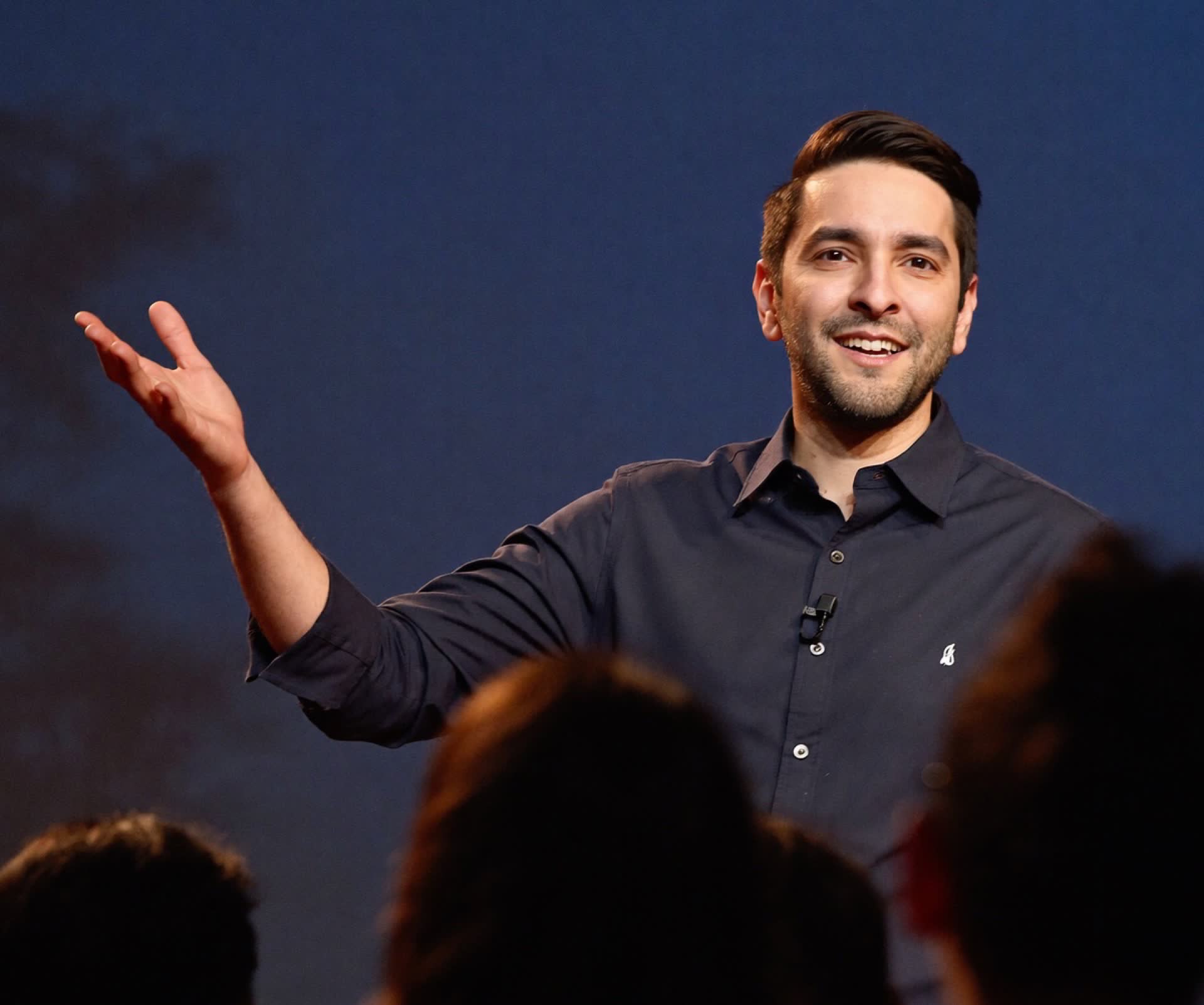
Fahad Malik on why even good leaders can't fix Pakistan's system. What's broken is deeper than politics: it's the values we teach.
Audio-only episode. Listen here:
The broadcast is dead, but we’re not producing digital content yet
Muzamil opens the conversation asking what Fahad does. Fahad works in private media and digital media in Islamabad, and is also working on mental health and digital literacy for graduates entering the industry. The conversation quickly pivots to a bigger picture: the future of news media.
Fahad lays out a timeline that has already happened in the West. “Look, today, ten years ago, there was a story you had to get in the news. Now, that story you had to get online website. Things changed very quickly with time. After the news came radio, after the news came TV, after the news came social media,” Fahad says. The pattern is clear. Television has already lost. Muzamil hasn’t watched TV in years. Neither has Fahad.
“I have used my Facebook for 5 minutes. I have seen it in 5 minutes on Twitter. Digital media has acquired electronic and print media,” Fahad observes. But here’s where Pakistan breaks from the global template. The West created digital-first media: Vice, Vox, AJ Plus, all designed for social platforms from the start. Pakistan is still broadcasting TV news to digital audiences.
“We are not producing digital content that is particularly for social media, for your digital audiences,” Fahad says. Until that changes, traditional TV will keep running. Muzamil asks when the shift happens. Fahad thinks 10 to 15 years.
Mental health and the friend left behind
When Muzamil asks why Fahad also works in mental health, the answer grounds his activism in grief. Fahad lost a childhood friend to suicide. The group didn’t see it coming. “We were all so upset in our lives that we realized that there was this guy is missing from the group,” he recalls. But they didn’t know he was struggling. The shock led to a realization: Pakistan has no space where people can talk about pain without fear of shame.
That gap became BathKaro, a platform Fahad built with a team of psychologists and volunteers. The model is two-tiered. Those who can afford it book sessions with licensed psychologists. Those who can’t access a free 24-hour chat line staffed by clinical psychology students and counsellors. No judgment, no identification required. Muzamil sees the value immediately: “You have your phone and you can talk to someone and nobody out there has to know.”
No leader in Pakistan for 20 years
When Muzamil asks point-blank whether any current political figure in Pakistan is a true leader, Fahad’s answer is no. His reasoning traces a pattern across dynasties: the first generation builds. The second generation grows up watching. The third generation is born into wealth and loses the hunger to see beyond their own bubble.
“The third generation is generally born into wealth. So unfortunately they are unable to have the vision required to take the next step,” Fahad says. He sees a void until around 2040, perhaps filled by someone entirely new, or by Ali Tarin, a second-generation figure who has absorbed his father’s political instinct without the palace drift. Fahad also names Vlogger Vakar Zaka as an activist doing solution-oriented work, and businessman Javed Afridi as someone with real acumen, but neither is a true political leader yet.
The system is not the people in power
But the core of both Fahad’s and Muzamil’s argument is that even good people cannot fix a broken system. “The system is very different and you also perform in the system, you also have to work with that system,” Fahad explains. Ministers arrive with vision. Reality hits. The bureaucratic machinery is designed to preserve itself. A decision goes to a committee. Then another. Then it dies. Fahad saw this firsthand when he worked in government.
“There are many people who have the part of the system who wants to bring change, who wants to bring innovation. But eventually the file goes on a stage and stops,” he says. Muzamil pushes: will the system ever fundamentally change? Fahad thinks not until decision-makers understand that values matter more than process. “Your system is based on your core values which you’ve given to this society or your home or your society,” he says. Pakistanis don’t teach tolerance, problem-solving, or anger management in school. Universities can’t fix what families and culture broke.
Regulation won’t work until platforms are here
The final section tackles social media regulation, the new panic in Islamabad. Fahad is clear: Pakistan can’t regulate something it doesn’t control. “Regulation is not possible until the platform is not present in your country,” he says. Meta and TikTok don’t have Pakistani teams. The government has no access. A legal framework first, then pressure. But even that requires vision.
“We don’t have people in Pakistan first of all who are understanding that the medium has changed,” Fahad says. Muzamil adds a geopolitical layer: if America bans TikTok, if India bans Chinese apps, Pakistan will follow the wind. When the ban arrives, the data is already harvested. Fahad warns the cycle is accelerating. By the time regulation catches up, the defensive posture is too late.


Never miss a conversation.
New episodes and the thinking behind them, straight to your inbox. No hype, no spam, no pitch.