Thought Behind Things
Roasting is about attacking ideas, not people
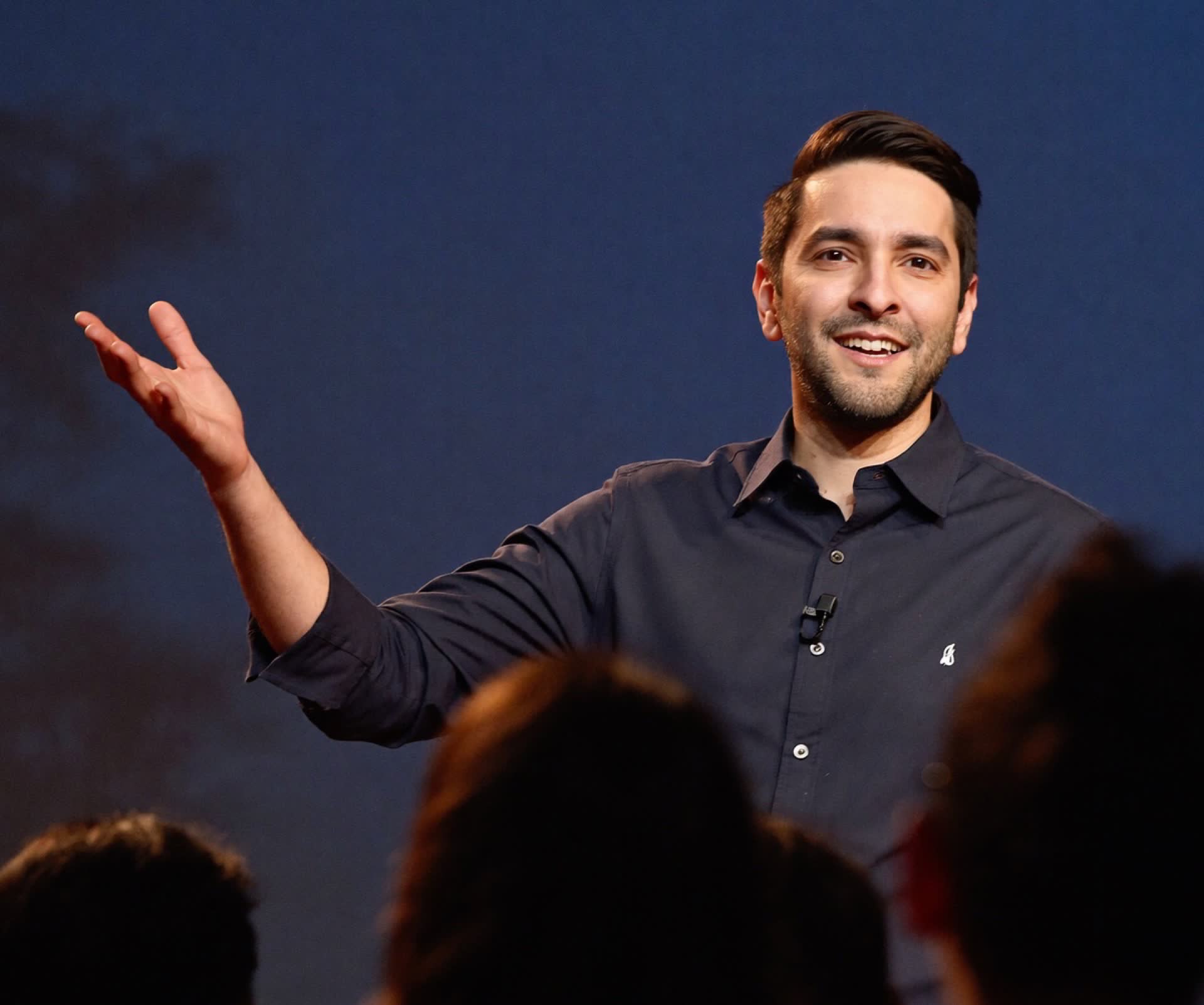
Pakistani creator Raza Samo breaks down the difference between roasting content and personal attacks, and what creators owe their young audiences.
Audio-only episode. Listen here:
The line between roasting and personal attacks
Muzamil brings up roasting early, framing it as a legitimate form of content. Raza acknowledges that roasting has become part of Pakistani digital culture. The key distinction he makes is precise. “I don’t have any problem personally attacking someone. I’ve always attacked ideas,” Raza says. When discussing someone’s behavior, he targets the act, not the person. The difference is subtle but consequential: roasting an idea means critiquing the logic or the stance. Attacking a person means calling them inherently bad or wrong.
Muzamil pushes deeper into what real roasting looks like. Raza points to international examples where roasting respects boundaries. He has observed that much of what passes for roasting in Pakistan came from India, where platforms like AIB and creators like Carrie Minati set a different precedent. “The roasting approach that’s been changed in India,” Raza says, “and it’s been very honest with you.” The import of that content model shifted something in how Pakistani creators approached the format. Many new creators saw roasting as license to offend rather than as satire with boundaries.
Understanding your audience, protecting younger viewers
Raza’s analytics show that 18 to 24 year olds are his primary demographic. But he acknowledges something that troubled him when he started making gaming content. Kids as young as 11 showed up. The presence of young audiences forced him to reconsider what he was willing to show and what message he was sending. Muzamil watches creators who mix genres and sees the problem: if your comedy channel suddenly becomes your social justice platform, what are children supposed to take away from that?
This leads Raza to articulate a creator responsibility: you must look at your audience demographics. “If my comedy channel is comedy, I will talk about every bad thing in society,” he says. “It’s a rape case, it will become my news channel, right?” Mixing genres dilutes the message and confuses audiences. If children are watching comedy, they expect comedy, not dark social critique wrapped in humor they may not understand.
Muzamil brings up a specific concern: normalization. When young audiences see creators joking about violence or dismissing serious issues, what message does that send? Raza doesn’t shy away from the tension. He has made videos where he used subtle sarcasm to critique parental expectations around women’s careers. Some viewers did not catch the sarcasm and called him a misogynist. The message was meant to highlight something wrong. But not all audiences read sarcasm the same way, and younger viewers especially may take the surface meaning as his actual stance.
How platforms reshape creator responsibility
The conversation shifts to TikTok, and Raza makes a structural observation. TikTok’s business model differs fundamentally from YouTube’s. “On YouTube, sign in, your channel is not made, you are not craving for subscribers. You are just there for viewing purpose as a viewer,” he says. “But when you sign in on TikTok, follow option is now you want followers.” The result is that TikTok lowers barriers to going viral. Many people will post content without thinking about the responsibility that comes with an audience.
Muzamil pushes on the question of segmentation. Society has different audiences with different values. When viewers criticize content for being strange or cringe, whose standards are they applying? Raza counters that within platform differences, a creator still makes deliberate choices. You can target adults. You can mark content appropriately. You can decide what you build and for whom. The platforms are tools. The accountability rests with the person holding the tool.
The impact of one conversation
Near the end, Raza shares something raw. He made a video addressing life direction and perspective. A friend watched it during a breaking point. “He came to this point, what’s the point of living. There’s no need for it,” Raza recounts. The friend reached out. That conversation, and the message from Raza’s work, shifted everything. “Now that person is the content creator of almost 300,000 subscribers.” Muzamil realizes he thinks he knows who it is.
Raza also speaks about the emotional weight of knowing his content has this kind of impact. He receives messages from people in depression, people at the edge. “I think the best compliment is that because of your work, your mood is good for me,” he says. But it is also a weight. You cannot unsee the impact once you know it exists.
Building bridges between platforms
The episode ends with a proposal. Rather than YouTubers and TikTokers in competition, what if they collaborated? Raza says he would love conversations with successful TikTok creators whose entire audience lives on that platform. “I would love to have conversations with these guys. They are my friends. I would love to hear from their side of things.” The TV industry figured this out years ago, Muzamil observes. They saw TikTok talent and brought them into dramas. YouTubers have not done the same.
Raza sees the real opportunity. A TikToker with raw talent could be groomed, funded, and mentored. Given resources and guidance, they could reach audiences that do not exist on either platform alone. “You become a star maker,” Muzamil says. “But we don’t see it from that perspective. We are watching it from the competition.” The conversation ends on this note: creators have the power to lift others up, but first they have to stop seeing the platforms as enemies.


Never miss a conversation.
New episodes and the thinking behind them, straight to your inbox. No hype, no spam, no pitch.