Skip to content

Dil ki Baat · Apr 16, 2026 · 22:14

Why I'm done pretending to be apolitical about Pakistan

A solo episode where Muzamil explains the two-year transition behind the camera, why he has effectively depoliticised himself, what he still believes about Imran Khan, and how he plans to cover Pakistan's politics from here on.

6 min read

The two-year transition the audience only half-saw

The episode opens with Muzamil naming something most of his viewers have sensed but never heard him say out loud: the last few years have been a transition, and a difficult one. He is candid that the status quo “I feel like the majority of people were not happy with,” and that he counts himself among the ninety-nine percent of people whose worldview has been forced to evolve.

Evolution, he argues, is not the betrayal it is often framed as. The pressure on a public figure is to hold a consistent line — to never u-turn — because the moment you contradict your old self, “you would be lying to your audience.” His response is the opposite. The lie, for him, is to keep performing a belief system he no longer holds. “It’s very difficult to show up as a job and keep on showing up and saying things that you may not believe in.”

He walks the listener through what that period actually looked like physically. He was, he says, “literally hopping from place to place,” setting up a studio in someone else’s house, then another studio in Pakistan, recording cross-platform conversations that the audience saw as the Endeavor series without knowing he was rarely in the room with his guest. “My knees gave out,” he admits — a rare moment of cost-of-business honesty from a host who usually keeps the wiring hidden. He is careful to add that he is not asking for sympathy. “It’s my decision.”

The new studio, the single button, the reset

By the time he is recording this episode, the wilderness phase is over. He gestures around the room and tells viewers, “this is my office” — a purpose-built room with what he describes as a “single button operation.” He walks in, presses a button, and the entire production stack comes up.

It is a small detail and it carries a lot of weight. The whole arc of the last two years — losing an old self, fragmenting an audience, recording in borrowed corners — terminates in a room he controls. He frames it as the precondition for everything that comes next on the channel.

”I’ve become fairly depoliticised”

The heart of the episode is a position he has clearly been thinking about for a long time. Muzamil tells his audience plainly that he is “personally not interested at all” in Pakistan’s politics, “not invested at all,” and not willing to “take a stray arrow” for any side. He goes further: “I’ve become fairly deep and I don’t know what the word is — unpolitical, depoliticised, or whatever.”

His reasoning is structural, not emotional. He argues that the transitions now underway in Pakistan, in the region, and in the world are happening at a scale that dwarfs domestic politics. He references the Musharraf and Zia eras as smaller versions of the same pattern, and says the changes now are bigger. The conclusion he draws is uncomfortable for the political content economy he helped build: Pakistan’s internal politics “doesn’t have much weightage left, because external variables are impacting Pakistan a lot.”

This reframes how he intends to cover anything political from here. If he praises a government decision, he wants it understood as a decision being praised, not a government. If he criticises one, the same. “I will look at it through an objective lens, keeping Pakistan in mind.”

What he still believes about Imran Khan

He does not perform neutrality where he does not feel it. Having spent significant time with the PTI government and with Imran Khan personally — “off camera, I had the chance to meet Imran Khan two or three times” — he says the conversations were about foreign policy and “overall imperialism,” and that “a lot of the things he said have panned out exactly as he said it.”

He is careful to separate the analysis from the affiliation. “I have a soft corner for Imran Khan because I think, you know, when I listen to him, the things he said were right. He had the right vision, he had the right mindset — but that’s the extent of it.” If Imran Khan were free and back in politics tomorrow, Muzamil would still vote for him. He says it directly. And in the same breath, he tells his viewers that the current federal government is “doing a lot of things fine” and that he is not going to pretend otherwise to keep one side of his audience comfortable.

”I am not telling you to support this government”

The line he draws for the viewer is sharp. He is not asking anyone to change their political affiliation. “Your political affiliations are whatever they are.” What he is asking for is permission — really, notice — to call a good call a good call. “Where it is right, I will say it is right. I will put myself out there and I will be a bit more vulnerable.”

He links this back to the version of himself the audience first fell for. The pre-2022 Muzamil, he says, was the one people loved, the one they first subscribed to. The years in between, by his own account, were “vanilla” and “all over the place.” He thanks the viewers who stayed through that and acknowledges, without bitterness, that he understands why some left.

A new TBT format: twenty minutes, data, no fluff

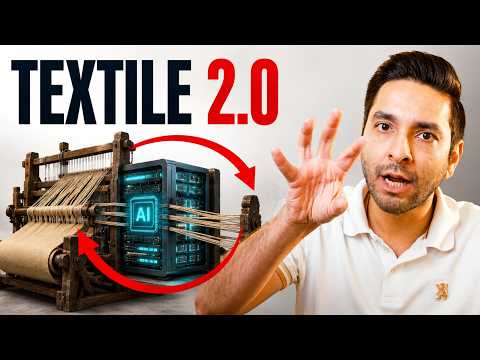
Then he tells the audience what the channel is going to do differently. He has, in his words, “fully immersed” himself in AI again — not as a topic to interview people about, but as infrastructure. He mentions running Google’s Gemma locally on his main editing machine, hosting another local model on an always-on MacBook Air, and building “different workflows and skills” on top of them for the business.

The output of that, applied to the show, is a new format. Instead of a ninety-minute guest conversation, he wants to deliver “to-the-point, value-driven, purpose-driven, backed with news and data” episodes around twenty minutes long — research, analysis, his own read of what is happening, condensed. He is explicit that this is why he has rolled back the volume of AI-as-topic content on this specific channel: the AI conversations now live on his Instagram, while TBT becomes the place where AI-assisted research shows up as finished argument.

The exit: thank you, and stay around

The episode closes the way many of the best solo TBT episodes have: with Muzamil speaking directly to the people who have stuck around. He thanks the regular viewers, and reserves particular thanks for those who, in his words, have stuck around through “the last two years of me being all over the place.” He tells them, plainly, “you mean the world to me.” The strength to keep going through the hard stretch, he says, has always come from them.

By the end of the conversation, the proposition on the table is simple. Muzamil is no longer pretending to be politically neutral by being politically silent. He is being politically honest by being mostly depoliticised, openly soft on one figure, openly willing to credit a government he never campaigned for, and openly ready to change the show’s format to match the way he now thinks. The viewer is invited to come along — or not. Either way, he is going to keep showing up.

Full transcript
Muzamil

और काफ़ी जो status को हमारे सामने था उससे I feel like कि majority लोग ना खुश थे, papers नहीं बहुत ना खुश था और ख़ासकर पिछले पांच साल के अंदर जो एक disillusionment हुई है इंसान की generally 99% लोगों की पूरी दुनिया में वह काफ़ी हद तक evolve भी हुआ. यह जो evolution है यह बड़ी important है ना I feel like कि काफ़ी दफ़ा हम इस thought में रहते हैं कि यार हमें एक consistent line रखनी चाहिए और u turn की जब बात होती है कि यार आप एक बात करते थे अब आप एक बिल्कुल different बात कर रहे हैं तो आप अपनी पुरानी वाली उस पर भी नहीं जा सकते. आपको बड़ा अजीब लगता आपको लगता है you know you're lying to yourself and then you would be lying to your audience. बड़ी difficult यह position होती है when you are in the public eye. क्योंकि अगर तो आप genuinely honest हैं with what you're saying लेकिन वह पैसा was a byproduct. मैंने genuinely social media किया था because I was curious and I wanted to genuinely go and use this medium to learn and then potentially help other people learn as well. तो जब आप उस honesty के साथ कर रहे होते हैं ना तो it's very difficult to show up as a job और keep on you know showing up and saying things that you may not believe in. तो मेरे लिए जाहिर हुआ एक transitionary period जो था जिसमें मेरा belief system तो change हो गया था. लेकिन ना मैं नई जगह पर जा पा रहा था क्योंकि जब मैं सोचता था कि मैं जो नई सोच मैंने बनाई है मैं उसकी अगर बात करूंगा I was literally hopping from place to place और वहां पर मैं quickly एक studio set करता था. उस समय बैठकर एक recording करता था. मैंने उसमें भी बड़ी बात है कि recordings कर ली. In fact, आपने जो Endeavor की पूरी series देखी है वह मैं किसी और के घर में एक studio set करके फिर Pakistan में एक studio set करके cross platform conversations कर रहा था वह मैं आमने सामने नहीं बैठा हुआ था. लेकिन वह जिस तरह हमने किया है वह अल्लाही जानता है and I am glad कि you know I showed up and I did it. वह मुश्किल थी और मेरे जो है ना घुटने जवाब दे गए लेकिन यह कह रहे हम दुरिल्ला the place is now set and यह जो आप देख रहे हैं this is my office. यह literally मैंने एक पूरा room set किया है. Single button operation है. मैं enter करता हूं, एक button दबाता हूं और पूरा जो है वह अपनी life का career पूरा change करके एक नई जगह पर आना, नई जगह पर base बनाना. Again मैं कोई इसमें sympathy आपसे नहीं मांग रहा. मेरा decision है और मैं इंशालाह उसमें सुर्खरू भी हूंगा. लेकिन it's very difficult. It is always difficult. Change is never easy and you should know the behind the scenes of how different humans go through जब वह यह कर रहे होते हैं. It's all never always, you know, rainbows and butterflies. बहुत सारी उसमें अपनी challenges होते हैं और वह challenges थे. But अब वह काफ़ी हद तक challenges मैंने ice ice करके पूरे कर ली हैं होते हुए media में आ गया और यहां पर मुझे अलातारा ने काफ़ी opportunity दे दी. लेकिन I was always very interested in computer science and therefore पिछले एक महीने के अंदर as I have immersed myself back into it तो बड़ा मज़ा आ रहा मैंने I don't know अगर आप लोगों को एक जो मेरी main editing machine है उसके ऊपर मैंने एक local LLM host किया है. Google का Gemma four है. वहां से जो दूसरी मेरी machine है जो कि always on एक MacBook Air है. वहां पर मैंने OpenClock को host किया host करके अब मैं उसके ऊपर different you know workflows और skills build कर रहा हूं for my business. So बहुत मज़ा आ रहा है. It's a fascinating दुनिया और चूंकि वह जो early stages हैं तो उसकी एक बड़ी open source community है और उसके अंदर आपको बहुत कुछ सीखने को भी मिल रहा है और honestly अगर आप genuinely मुझसे पूछे finally solutions drive कर लेते हो तो वह इतना एक insane है कि वह experience it's it's difficult to explain. I will show you guys over time in the future but मैं थोड़ा बताना यह चाह रहा था कि मैंने fully अपने आप को AI में immerse कर लिया है Researched, analytical, my understanding of things वह भी आपके सामने आने वाली हैं जो आपको एक डेढ़ घंटे के अंदर you know guest आकर चीज़ें बता रहा होता है. उसको बीस minute के अंदर to the point, value driven, purpose driven, backed with news and data वह वाली videos आएंगी और उससे I think कि आपको इस्तेफ़ादा हासिल होगा which is one of the reasons why इस channel के ऊपर मैंने थोड़ा सा roll back कर लिया AI को. जो लोग उसमें interested हैं they can definitely go on my Instagram and they can मेरी जो understanding है वह यह है कि अब जो transitions आ रहे हैं ना Pakistan में, region में और दुनिया में वह इतने ऊपर के हो चुके हैं और यह पहली दफा नहीं हो रहा. छोटे cases में तो यह मुशरफ़ साहब केहरा में भी हुआ, जिया साहब केहरा में भी हुआ, और जो changes हैं वह भी उसे बहुत ज़्यादा scale पर होंगी. जिसकी वजह से Pakistan की politics में मैं personally बिल्कुल भी interested नहीं हूं, बिल्कुल भी invested नहीं हूं, ना मैं उसके लिए कोई उड़ता तीर लेना चाहूंगा और अगर मेरा कोई opinion आएगा जो कि you know people can construe it as pro PTI, people can construe it as anti PTI क्योंकि मैं कहूंगा कि यार अच्छा government ने बड़ा अच्छा decision ले लिया तो मैं genuinely उसको एक objective lens से Pakistan को मद्देनज़र रखते हुए देखकर कह रहा हूंगा yes, उसमें एक अगर illegitimate government है और वह एक Pakistan की internal politics जो है ना उसकी कोई as such weightage रह नहीं गई क्योंकि external variables बहुत ज़्यादा Pakistan को impact कर रहे हैं. तो आप one side or the other जितना भी खेल लें, you know ना तो यह जो current government है यह इसका क्या धड़ा है कि Pakistan बहुत अच्छा कुछ कर रहा है. I've become fairly deep and I don't know what the word is unpolitical, depoliticized or whatever. Having said that again चूंकि मैंने बहुत closely देखा था PTI की government को, इमरान खान साहब को तो मैं यह बात ज़रूर कहूंगा And I think he was very visionary to have read the world the way that it has over time evolved. Personally मैंने off camera पर तो आप लोगों ने देखा off camera मेरी इमरान खान साहब से दो तीन दफ़ा मुझे मिलने का मौका मिला and उसके ऊपर interestingly बात foreign policy के ऊपर हुई, बात overall imperialism के ऊपर हुई and you would be surprised कि the things that he said a lot of them have panned out. उस time पर मुझे भी अजीब लग रही थी लेकिन a lot of them have panned out exactly as he said it and so if the federal government today चाहे वह economy के अंदर वह decisions लें जो कि मुझे लगता है कि यार सही be that person कि यार मैं मेरी पहले भी कोई political affiliation नहीं थी despite what a bunch of clowns said. मेरी आज भी नहीं है. मेरी I have a soft corner for इमरान खान साहब because I think he, you know, when I listen to him I think the things that he said were right. He had the right vision, he had the right mindset but you know that's the extent of it. जहां तक मेरे अपने analysis का तालुक है तो I think कि इमरान खान साहब आज वापस आ जाएं बाहर आ जाएं. I would still vote for him but at this junction there are a lot of things that this government is doing fine and I would for my viewers. मैं नहीं कह रहा कि आप लोग इस government को support करना शुरू कर दें. आपकी political affiliation जो भी हैं वह हैं. लेकिन जहां तक आप मेरे content को आगे future देखेंगे तो जहां पर सही होगा मैं उसको सही बोलूंगा. You know, I'll I'll put myself out there and I'll be a bit more vulnerable. जो कि दो हज़ार बाइस से पहले का मुज़मिल बहुत हद तक था which is what a lot of you loved, which is why you love the podcast, which is why you listen to me. And I know why people will stop listening to me because I was so vanilla and I was so random. But thankfully, I have now grown and I am here and I am showing up and, inshallah, you will keep on showing up. तो for the regular viewers who keep on coming up, who keep on believing the things that I said, thank you from the bottom of my heart, especially for those जो कि पिछले दो साल में of me being all over the place have stuck around. Thank you so much. You mean the world to me and you know the the strength that I have had ever going through any tough time has always come from you guys. So thank you so much for that and यहां पर मैं इस video को ख़त्म करता हूं. मेरा नाम सैयद मज़हबिला सिंह जैदी है. आप देख रहे थे पता नहीं इस episode का क्या नाम है? दिल की बात तो मैं नहीं कह सकता दिल की बात यह different flavor था. But आप देख रहे थे एक video on the thought behind things podcast channel. Thank you so much for watching and I'll see you in the next one.