Dil ki Baat · Jun 3, 2026 · 34:22
The YouTubeification of software
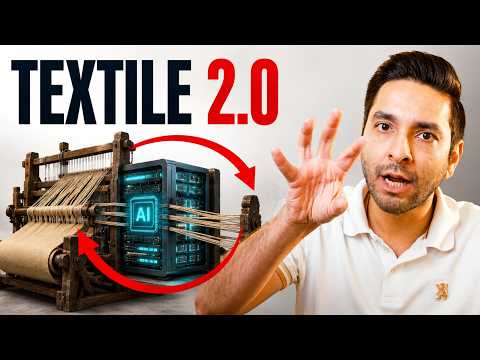
Muzamil Hasan on why AI is doing to software what YouTube did to media — deflating costs, removing gatekeepers, and shifting the moat to ideas, taste, and distribution.
6 min read
Sixteen years back, to a viral video
Muzamil opens by walking the audience back to 2010. “मैंने एक camera उठाकर photography करना शुरू किया” — he picked up a camera, uploaded a video, and woke up to a quarter of a million views overnight. YouTube’s Facebook page, then with 66 million followers, had shared it as a daily top pick. MSNBC reached out. None of it had a business model attached: “कोई business monetization नहीं थी. कोई brands नहीं आते थे.”
The point is not the virality. The point is who he was when it happened: “मुझ जैसे एक ऐसे बंदे को जिसके पास ना तो education थी, ना network था, ना media industry से तालुक था, उसको ढेर सारी opportunities दे दी.” A platform shift gave a person with no credentials a way in. Hold that thought — the rest of the episode is built on it.
What media looked like before the shift
To make the contrast land, Muzamil sketches the pre-2010 media industry. You raised money. You hired a director, a DoP, actors — “anywhere between पचास लोगों की या पांच सौ लोगों की या even thousands of लोगों की team.” You sold the finished product to a distributor and exited.
Every stage had a gatekeeper. Producers controlled finance. Directors ran production. Distributors — a handful of cinemas and “आठ दस TV channels” with limited slots — decided what reached the public. “अगर आपके उनसे अच्छे तालकात नहीं हैं तो आप सोच भी नहीं सकते.” Credentials, education, and experience were the price of entry. The structure was formal, professional, and closed.
Three deflations that broke the model
Then three costs collapsed at roughly the same time.
First, hardware. Professional cameras used to cost “करोड़ों रुपए.” DSLRs arrived with video capability, and consumer-grade gear suddenly produced usable footage. Second, post-production. Editing software (often, Muzamil notes drily about Pakistan, pirated) moved onto the same laptop the creator already owned. Third, distribution. YouTube, Facebook, and the social platforms removed the cinema-and-cable bottleneck — and with it the gatekeeping. “No questions asked, कोई tension ही नहीं है.”
The result, in his words: “Suddenly a quack like me who had no business in the media industry could take a camera, could learn editing on YouTube, on his own laptop and then start editing videos.” It wasn’t film-grade. It didn’t need to be. The audience responded, the creator pivoted, the loop closed without a single distributor in it.
A $1.5 trillion industry, then $3 trillion
The aggregate number tells the rest of the story. YouTube alone now moves roughly “साढ़े पांच सौ अरब dollar” — $550 billion. The wider digital media industry sits at around $1.5 trillion and is projected past $3 trillion by 2032.
In 2005, Muzamil reminds us, this industry was “बिल्कुल consolidated” — five to ten players in film, five to ten in music, controlling everything. Today it is “heavily democratized.” Millions of YouTubers, influencers, musicians. “हर industry के अंदर, हर सब industry के अंदर हर बंदा बैठा है और मुंह उठाकर के वह काम कर रहा है.” The industry got bigger by getting flatter.
Software was structured the same way — until now
Here Muzamil pivots to the thesis. Until very recently, software ran on the old media playbook. You raised capital. You built the whole app. You launched it. You eventually exited. Why? “क्योंकि software को बनाना बहुत complicated था, बहुत costly था और उसको eventually बेचना, consumer तक पहुंचाना again बहुत costly था.”
The same gatekeeping structure, in a different industry. You needed a technical founder who understood the stack, or a digital operator who understood consumer hooks, or — in Pakistan’s case — outside capital from a Rocket Internet or an Alibaba to import infrastructure before anyone local could compete.
What AI just did to that structure
AI, Muzamil argues, is collapsing software costs the way DSLRs and YouTube collapsed media costs. To test an app idea you no longer need “पचास हज़ार dollar.” You need “literally सौ dollar का एक account.” You sit down, build the thing, deploy it, and put it in front of people.
He gives the everyday example: a parent who wants a custom bedtime story for their child every night. Before, that took a technical founder or a digital operator who could think through hooks and retention. Now, “आप literally vibe code” your way to a working version — Replit, Cursor, the new app-builder platforms.
The frame he points to is the a16z essay he names directly: “उनका एक essay है called the YouTubeification of software.” The argument lines up cleanly with his lived experience of the media shift — same deflation, same democratization, same coming reorganization of who gets to build and who gets paid.
The new diversification — and the new moat
The interesting prediction is not that everything gets cheaper. It’s where the new value shows up. “नए areas जहां पर पहले software exist नहीं करता था. नए problems जिसके solutions पहले build नहीं हुए हुए थे वो build होना शुरू होंगे.” Software is about to fan out into problem spaces that were too small or too weird to justify a traditional product team.
But Muzamil is careful about the survivorship lesson from media. Not every early YouTuber lasted. “उनमें से कोई भी survive नहीं किया. Long term के ऊपर जिन लोगों ने sustainably पूरे brands build किए, communities build की those are the people who actually sustained.” Democratization is real. So is the fact that durable outcomes still belong to people who build something around themselves — a point of view, a name, a community.
The instruction to the technical builder
The closing note is direct, and aimed squarely at the engineer who feels safe. “आप साथ खुजाते रह जाएंगे कि यार technical आदमी तो मैं था, मैं बड़ा king था, मैं React के ऊपर app बनाता था और Node JS use करता था.” Get off the high horse. Keep the skill — but reorient the mind.
“अपने mind को ना आप idea के around लेकर जाना शुरू करें, problem solving के around लेकर जाना शुरू करें, outcome focused हो, output focused ना हो.” The bar he sets is deliberately modest: a niche app, a community of users, “$5 to $10,000 per month, recurring.” Not a unicorn. A defensible, output-shaped piece of value.
And if you don’t build one yourself, at least look at your industry through this lens. The disruption is no longer theoretical, and being the best React developer in the room is not the moat it used to be.
Full transcript
Start हम करेंगे थोड़ा सा memory lane के ऊपर जाकर थोड़ा सा random होगा तो शायद आप सुने आप कहें यार बात AI की हो रही है यह किस्तर लेकर जा रहे हैं लेकिन I promise you आखिर तक it will all make sense and you will learn a lot अगर आप उसकी जो फलसफा है उसको समझ लें. So video को आखिर तक ज़रूर देखिएगा. अगर आपने subscribe नहीं किया channel को तो बराहे कराम subscribe ज़रूर कर लें उसे. मुझे थोड़ा सा confidence भी मिलता है और मेरा target है कि at least चार लाख subscribers हम अगले एक डेढ़ दो महीने के अंदर reach कर लें and we're very close almost 25,000 subscribers रह गए. तो channel को subscribe ज़रूर कर लीजिएगा. Video को like ज़रूर कर दीजिएगा अगर पसंद आए. But nonetheless let's get into the video. अब सबसे पहले मैं आपको सोलह साल पहले ले जाना चाहता हूं दो हज़ार दस के अंदर जब मैंने personally digital media के अंदर कदम रखा और मैंने एक camera उठाकर photography करना शुरू किया. और जब मैंने वह video upload की तो एकदम से जो है ना वह video viral हो गई और कोई तक़रीबन दो ढाई लाख views उसके ऊपर literally overnight आ गए. YouTube का जो Facebook पर page था उस पर 66,000,000 followers थे और जाहिर है जैसा मैंने आपको बताया कि YouTube और Facebook उस time पर competition में नहीं थे. Facebook एक social networking site थी. YouTube exclusively एक video streaming platform था. तो YouTube बड़ा active था Facebook के ऊपर और वहां पर उन्होंने मेरी वह दिन की ना पूरी दुनिया से उठाकर जो top picks होती थी videos की वह share करते थे. तो मैंने देखा जी मैं सोकर उठा सुबह. तो YouTube ने मेरी video share की हुई 66,000,000 followers को और, you know, एकदम से मुझे news वालों ने reach out करना शुरू कर दिया. MSNBC के ऊपर, YouTube ban हो गया. कोई blasphemous video आई I think Norway में या वल्लालम कहां पर वह upload हुई थी. लेकिन government of Pakistan ने pressure में आकर क्योंकि public बहुत ज़्यादा उसके ऊपर शोर मचाना शुरू हो गई थी. तो उन्होंने पूरा platform ही बंद कर दिया कोई business monetization नहीं थी. कोई brands नहीं आते थे. फिर दो हज़ार चौदह के अंदर eventually हमारी जब बहुत ज़्यादा scale भी हो गया, virality भी हो गई तो आहिस्ता आहिस्ता for the first time brands आना शुरू हुए and the rest is history. तो again एक बड़ी छोटी सी चीज़ थी जो कि social media उस time के ऊपर आया यह जो video platform था जो उस time पर आया जिसने मुझ जैसे एक ऐसे बंदे को जिसके पास ना तो education थी, ना network था, ना media industry से तालुक था, उसको ढेर सारी opportunities दे दी. अब इस thought को ना आप दो minute के लिए park करें और मैं आपको media industry का overall landscape बताता हूं जो कि अगर Pakistan के reference से हम देखें तो दो हज़ार दस से पहले क्या था और दो हज़ार दस के बाद क्या हुआ? या आप एक freelancer agency चला रहे हैं और आपको समझ नहीं आ रही कि यार मैं $10,000 के revenue से $100,000 के revenue में कैसे जाऊं? तो आपको एक personal brand की ज़रूरत है जिसके अंदर आप अपनी thought leadership दिखा सकते हैं. आप एक following curate करके एक impact generate कर सकते हैं. क्योंकि जब लोग आपको follow करते हैं तो automatically बहुत सारी दुनिया आपको seriously लेती है. अगर आप interested हैं अपना personal brand बनाने में या आप confused हैं कि यार जो मैं करता हूं उसको personal brand की ज़रूरत है या नहीं? मैंने आपके लिए एक छोटा सा quiz design किया है अपनी website के ऊपर just to identify whether your profile can be a good fit for a successful personal brand. Link मैंने नीचे डाल दी है. Cost आपको कोई भी नहीं है. छोटा सा form है लेकिन हो सकता है कि आपकी थोड़ी सी effort आपके professional career को skyrocket कर दे. खैर आइए चलते हैं वापस video की तरफ. जब आपके पास पैसे आ जाते थे तो फिर आप एक पूरी team बनाते थे director, director of photography, camera, actors, so on and so forth. तो you know depending on कि किस नौयत का project है तो anywhere between पचास लोगों की या पांच सौ लोगों की या even thousands of लोगों की team आप उस time पर बनाते थे depending on किस scale के project की बात हो रही है. फिर eventually वह project जो है वह आप किसी distributor को बेचते थे और उससे आप पैसे कमाते थे, आप अपना exit लेते थे और आप आगे चले जाते थे. अब इस पूरे cycle के अंदर ना different stakeholders थे. For example, पैसे के लिए या financing के लिए एक stakeholder था, production house या producer. जो आपको actual काम करना था उसके लिए आपको एक CEO चाहिए था जो कि director था आपका उस time के ऊपर. आपने अब अगर अपने आपको market में लेकर जाना था लोगों के सामने अपने काम को रखना था तो आपको distributor चाहिए होते थे जो कि let's say cinema घर हो गए या आपके TV के channels हो गए जो कि आठ दस TV channels हैं उनके पास limited slots हैं. So, control करते थे market कि भाई क्या चलेगा, क्या नहीं चलेगा? अगर आपके उनसे अच्छे तालकात नहीं हैं तो आप सोच भी नहीं सकते. आप बेशक किसी से पैसे लेकर कोई चीज़ बना भी दें लेकिन आपको distributor move भी नहीं लगाएगा. You know credentials चाहिए होते थे, आपको education चाहिए होती थी, आपको certain experience चाहिए होता था before you were able to do something interesting or even professionally do anything. अगर आपने उसमें media industry में otherwise घुसना था तो आप एक, तो उन costs के अंदर deflation आई. Deflation कैसे आई? सबसे पहले आपके जो cameras थे, पहले आपको बड़े बड़े expensive किस्मे cameras लेने पड़ते थे और जो आम लोगों के पास cameras available होते थे वह handycam के संखे वह बड़ी low quality के home videos के लिए होते थे. Professional grade cameras would be like करोड़ों रुपए के वह camera होते थे. सबसे पहले तो आपको consumer grade professional high quality camera आना शुरू हुए. DSLRs आ गए जिनके अंदर video capability खुल गई और वह बड़ी ख़ूबसूरत के संग की जो है ना और आप अपने ही laptop के ऊपर जो है ना editing start करते थे. अच्छा Pakistan में तो वह software भी pirated आता था तो हमें उसकी भी cost कोई नहीं पड़ रही थी. But जो आपकी post production की है editing की cost है जो कि again बहुत बड़ी cost थी अब वह काफ़ी हद तक या फिर advertisers से वह पैसे लेते थे और उस पैसे केवल वह आपको देते थे. तो either ways there was a cost to distribute it to the consumer. And again for a vast majority of consumers ख़ासकर जो global South की अगर हम बात करें तो TV उतना you know distributor था भी नहीं. Pakistan में भी cable TV की penetration उस level की नहीं थी जो कि let's America में थी या Europe के अंदर थी. तो distribution एक तो exist भी उस level की करती नहीं थी but उसकी cost भी बहुत ज़्यादा थी. और तीसरा more importantly एक gatekeeping थी No questions asked, कोई tension ही नहीं है. तो suddenly a quack like me who had no business in the media industry could take a camera, could learn editing on YouTube, on his own laptop and then start editing videos. वह quality ज़ाहिर है के film grade तो नहीं है. Respond कर रहे होते हैं लोग तो आप उसमें उनके response को लेकर pivot करते कराते सीख सूख कर अपने आप को बेहतर करना शुरू कर देते हैं. Long story short, media industry before 2010 had a very very formal, professional, structured economic model जिसमें आप पैसे लेते थे, team बनाते थे, product बनाते थे, product को बेचते थे, cycle को repeat करते थे. अब क्या हो गया कि जी model ही बदल गया है. अब आपके पास idea है, नहीं है, ideas half cook सा भी idea है. आप जाएंगे जाकर काम करेंगे, know influencer marketing कर सकता हूँ so on and so forth. और eventually आज की तारीख में यह situation है कि साढ़े पांच सौ अरब dollar तो सिर्फ और सिर्फ YouTube के platform के ऊपर होता है. Overall अगर आप digital media industry को देखें तो that is roughly around $1,500,000,000,000 and it is projected to grow to over $3,000,000,000,000 by 2032. यह एक ऐसी media industry है जो दो हज़ार पांच तक बिल्कुल consolidated थी. पांच, आठ, दस बड़े players पूरी दुनिया के अंदर जो कि पूरी industry को control करते थे. Film के अंदर पांच छह players थे, music के अंदर पांच छह players थे और वही आगे चलाते थे. आज यह heavily democratized industry है. पूरी दुनिया में millions of different लोग हैं. चाहे वह youtubers की बात की जाए, influencers की बात की जाए, musicians की बात की जाए. हर industry के अंदर, हर सब industry के अंदर हर बंदा बैठा है और मुंह उठाकर के वह काम कर रहा है, डाल रहा है और उससे automatically वह business कर रहा है और पैसे कमा रहा है. Even अगर आप music के अंदर देखें बहुत सारे जो नए बच्चे आए हैं पूरी जो industry है वह evolve कर गई और वह नई direction में निकल गई. वह exact same चीज़ आज software और apps के साथ होने वाली है. देखिए आज से कुछ और से पहले तक जो media का पुराना model था वही software का model था. फिर आप एक app पूरी बनाते थे या software आप पूरा बनाते थे. उसको बनाकर के आप market में launch करते थे. Eventually आपकी app पैसे बनाती थी. फिर आप उस पूरे business को बेच के एक exit लेते थे और exit लेकर आप एक नया ID के ऊपर काम करके फिर से cycle में शुरू हो जाते थे. वजह क्या थी? क्योंकि software को बनाना बहुत complicated था, बहुत costly था और उसको eventually बेचना, consumer तक पहुंचाना again बहुत costly था और बहुत complicated था. जिसकी वजह से वही जो standard structured formal system जो पुरानी media industry का था वही software industry का भी था. आज की तारीख में AI की वजह से क्या changes आई हैं? Number one के ऊपर deflation हो रही है. कैसे? देखिए आज से पहले जब आपको app बनानी होती थी ना आपने even और उसको test out करने के लिए आपको कोई पचास हज़ार dollar नहीं चाहिए. आपको literally सौ dollar का एक account चाहिए जिसके ऊपर आप बैठकर एक छोटा सा idea बहुत easily बैठकर build करके, deploy करके, consumers के सामने लेकर जा सकते हैं. Again, deflation जो कि exactly उस time के ऊपर जैसे हुई थी कि मुझे ऐसा quack, मैं बार बार बोलूंगा, मुझे ऐसा quack क्योंकि मेरे पास कोई experience नहीं था. वह बैठकर media की product बनाकर लोगों के सामने लेकर आ सकता था. It was not polished. It was not the world's best. मैं कोई बड़ी कोई Oscar level filmएं नहीं बना रहा था. But just the idea that I could build something in my, you know, in my room and put it out there was fascinating for me and was fascinating for the customer as well या for the viewer as well because कि आप literally vibe code जो कहते हैं ना कि आपने बस जाकर लिखा यार मैं एक app बनाना चाहता हूं कि मेरा बच्चा जो है वह, you know, रात को एक story पढ़ना चाहता है और मैं चाहता हूं कि एक custom story उसके मतलब की बने हर दफ़ा. आज से पहले अगर मुझे एक app या एक software बनाना होता था या तो मैं technical बंदा होता जिसको exactly understanding है कि app development किस तरह से होती है, you know, यह जो technology है वह काम किस तरह से करती है या हमें कोई ऐसा चीता होता digital का जिसको exactly पता होता कि जी जो software का business है ना यह consumer use कैसे करता है? उसके around किस तरीके से hook होगा? जिसके ऊपर वह आएगा? वह आकर उसको use करना शुरू करेगा? उसका edit हो जाएगा वगैरह वगैरह. और जिसकी वजह से operationally बहुत सारे businesses फिर भी somewhat चल गए. वरना apps की अगर हम बात करें तो they have always been extremely poor. वह तो जब यह है कि बाहर से कभी investment आ गई या कोई institution आ गया जिस तरह food pant आए तो उसके पीछे rocket internet आ गया या easy पैसा पहले इतने उसके मसाले थे फिर अली बाबा group ने जब investment की तो उस वह अपना infrastructure लेकर आए और उन्होंने उस infrastructure को बेहतर किया तो आम आदमी for in Pakistan even globally वह बैठकर app मुंह ठाकर नहीं बना सकता था. आज की तारीख़ में it has become extremely easy जिसको हम कहते हैं democratize हो गया कि कोई भी मुंह उठाकर के एक idea लेकर उसको app की तरफ़ लेकर जा सकता है. Again correlate करें with the, media time कि कोई भी बंदा DSLR उठाकर editing कर सकता है. चाहिए तो मैं early days of media बता रहा हूं. Eventually media industry मज़ी democratize हुई और आज TikTok की दुनिया के अंदर कोई भी इंसान एक phone उठाता है और phone उठाकर के वह video record करता है और उसको upload कर देता है. है वह भी media. उससे भी कोई ना कोई information, you know, लोगों तक पहुंच रही है या कोई entertainment लोगों तक पहुंच रही है. लेकिन उसका tool अब इतना आसान हो चुका है कि you do not have to be a media specialist to actually, you know, uh-uh perform the job. You actually need to work more around the ideas. You have to have to think more about कि यार consumer चाहता क्या है? वह देखना क्या चाहता है? उसमें क्या चीज़ missing है? मैं उस missing चीज़ को पूरा करूं और उसके ऊपर consumer मेरे पास आएगा. जिसकी वजह से business भी create हुआ, industry भी build हुई, अलहम्द उल्लाह इज़्ज़त भी हुई, नाम भी आया. इसी तरीके से आज की तारीख़ में AI को जब आपने देखना है ना तो आपने इसको इस understanding से देखना है जिसको a 16 z एक बहुत मशहूर venture capitalist firm है US की I think one of the biggest है at least the most diverse. उनका एक essay है called the YouTubeification of software. वो यह कह रहे हैं कि जिस तरीके से media industry के अंदर यह democratization हुई, जिस तरीके से media industry के अंदर यह deflation हुई है cost की, उसी तरीके से software में cost की deflation भी हो गई है और democratization भी होने वाली है और उसकी वजह से जो पूरा model है software development का, consumers का कि वो software से किस तरह interact करते हैं, जो industry के अंदर opportunities हैं. क्योंकि जब media democratize हुआ ना तो आज की तारीख़ में जो हम media consume करते हैं और जिस किस्म का media बनाया जाता है, जिसके around पूरी industry है और jobs हैं और काम है, दो हज़ार दस में आप किसी से पूछते और उसको देखा देखिए आपने यह realize करना है कि अब diversification होगी. नए areas जहां पर पहले software exist नहीं करता था. नए problems जिसके solutions पहले build नहीं हुए हुए थे वो build होना शुरू होंगे और पैसा जो है ना जो एक उनमें से कोई भी survive नहीं किया. Long term के ऊपर जिन लोगों ने sustainably पूरे brands build किए, communities build की those are the people who actually sustained in the grand scheme of things. Again मैं यह नहीं कह रहा कि democratize हो जाएगा छोटे छोटे छोटे बहुत सारे हो जाएंगे. तो इसी तरीके से teams भी बनेंगी eventually. लेकिन the way to actually go there will fundamentally change. The discovery for what needs to be built, what will be built will be completely different और video लंबी हो रही है तो यहाँ पर मैं इसको wrap up करता हूँ लेकिन अगर आप AI के बारे में कुछ आपको समझ नहीं आ रही ना? वैसे तो मैंने आपको पिछली video में definitely यह बात बताई थी कि आप जिस industry में भी काम करते हैं आप अपनी industry के कोई AI की app ढूंढें. आप अपनी industry में AI को leverage करें You just need an app that's solving a problem for a particular community and you're making 5 to $10,000 per month, recurring के ऊपर. तो anyways आप app बनाएं, ना बनाएं. आप at least पूरी industry को अब इस lens से ज़रूर देखिएगा because आपको यह actively अब जो है ना यह जो disruption और आप साथ खुजाते रह जाएंगे कि यार technical आदमी तो मैं था, मैं बड़ा king था, मैं React के ऊपर app बनाता था और Node JS use करता था so on and so forth. You know, off your high horse. It is better कि आप अपनी definitely आपकी skill set है, अच्छी बात है उसको use करें लेकिन अपने mind को ना आप idea के around लेकर जाना शुरू करें, problem solving के around लेकर जाना शुरू करें, outcome focused हो, output focused ना हो. Doesn't matter कि आप जो है जी बड़ी कुछ दुनिया की ज़बरदस्त technology use करके ज़बरदस्त चीज़ बना सकते हैं. इसी तौर के साथ मैं यहाँ पर इस episode को खतम करता हूँ. मुझे नीचे comment section में ज़रूर आ के बताइएगा what do you think about the youtubification of software. A 16 z का जो essay है वो भी मैं description में डाल दूंगा. You can read that as well क्योंकि ज़ाहिर हम तो पाकिस्तानी है. Brown चमड़ी वाले हमें कौन seriously लेते लेकिन जब गुरा बोलता है तो लोग definitely उसको seriously लेते हैं. वो भी आप check out कर लीजिएगा. And then I'd love for particularly if anyone has tried out Replit or Cursor or any of these sort of app development vibe coding platforms. What has your experience been so far? Have you tried to launch an app for your friends or for people around you? Like, consumer ready app नहीं बनानी है आपने. आपने एक app ऐसी बनानी है जो कि आप publish करके अपने चार दोस्तों को दिखा सकते कि जानी देख मैंने
More from Dil ki Baat
Jul 2, 2026
Five days, $500, and a one-person media engine
Muzamil documents two weeks of building his own AI stack with no recent coding experience — what Replit and Claude Code actually let a non-technical operator ship, and what it costs.
Listen →
44:30 Jun 20, 2026
The space economy's real wealth is in the startups under SpaceX
Muzamil reads the space-tech decade through one variable: the falling cost of reaching orbit. As that number drops, hundreds of companies and millions of jobs open up beneath the headline names.
Listen →
1:00:00 Jun 16, 2026
SpaceX's IPO is a pump. The space industry is real.
Muzamil reads the SpaceX IPO line by line: a 2 trillion dollar valuation on 18 billion in revenue and a 5 billion dollar loss, the index-fund rule that forces the buy, and why the real value is the hundred startups underneath.
Listen →Never miss what's next.
The dispatch - new writing and conversations, straight to your inbox.
First name, last name, email - in your inbox weekly. No spam.