Dil ki Baat
Eight practices for building in 2026
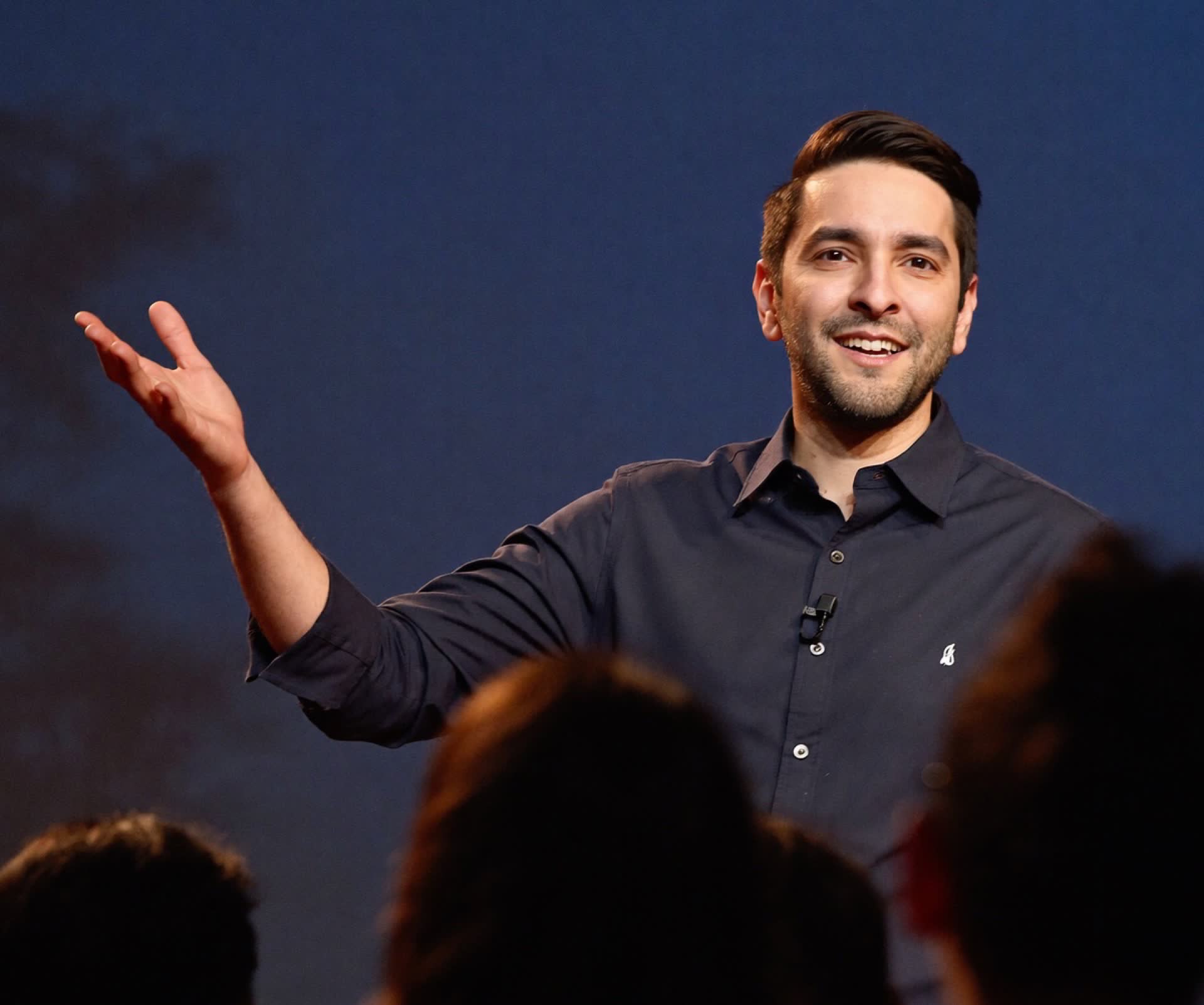
Muzamil outlines eight practices to pursue in 2026, from silence to sacrifice, grounded in the realities of personal growth.
The invitation and the moment
Muzamil opens his year-start video by greeting his audience and framing the moment. “This is a good time when everything refreshes,” he says, “and there is also a restart.” The new year brings higher motivation, but also the risk of scattering that energy across vague resolutions. He shares that he and his wife discussed what they wanted for 2026. Over the last two or three years, they have undergone significant change. So he decided to crystallize his intentions into concrete practices, eight in total, and share them.
One. Silence
The first practice is silence. “There is a lot of noise in the world today,” Muzamil says. “People are screaming and threatening everywhere. They want attention.” His intention for 2026 is to silence that noise selectively. Attention is finite. If he does not protect it, others will claim it. He does not need to have an opinion on everything. He does not need to watch every post on Instagram, Twitter, or X, or respond to every happening. “I want to focus my attention in one direction only,” he explains. “This is a limited resource, not unlimited.”
The noise creates anxiety. “People live in my head rent-free,” Muzamil notes. This increases his worry. So he is committing to silence as a tool of focus.
Two. Letting go of what no longer works
The second practice is release. The world is changing, and with it, the mental models and frameworks that once helped him are becoming obsolete. “Many old models and frameworks gave me a lot when I was growing,” he says. “But these things are changing. The world has changed, and perhaps those mental models are now largely useless.”
Letting go is hard because of what psychologists call the sunk cost fallacy. If he spent years building on an old framework, walking away feels like waste. “But this is what human progress demands,” Muzamil says. “Perhaps in my youth, in my ignorance, I was wrong about some things. And if I discover that later, I have the ability to change course.”
Three. Comparison, the inner enemy
The third practice is to stop comparing himself to others. This is stated clearly: “I do not compare myself to anyone else. I want to see others doing good work and doing it well, but I do not want to compare.” When he looks at others, it creates false urgency and hidden resentment. “Everyone is starting from a different place. Some have advantages, some are disadvantaged. You can only compare yourself to yourself.”
Muzamil notices this trap everywhere. Social media is the accelerant. “You see your friend traveling, your friend has a new car, your friend bought a big house. And then you ask yourself, what am I doing with my life? Should I start a business? Should I get a job? Should I change what I am doing?” The comparison is parasitic. It steals mental energy without teaching anything true about his own path.
Four. The comparison spiral
The fourth practice builds on the third. Comparing yourself to others, especially through social media, creates negative momentum. “You sit there and say, friend, I am completely behind. I am a failure. My brain is used. People stay in my head rent-free. And because of that, my worry increases.”
He has been caught in this spiral. During the past two years, many opportunities passed by. Good chances came in front of him, but because he was in a state of inner discomfort and internal paralysis, he missed them. “I want to let go of this. I do not want to compare myself to anyone. If I want to see someone, I will see that this is his life, his context. I wish him the best, but this is not my life.”
Five. Execution, not ideas
The fifth practice is execution. “I have a lot of ideas. I sit in the morning and evening and come up with ideas. But ideas have zero value,” he says. People come and say the idea is great, and you will become a billionaire. But one idea alone, unsupported by action, is worthless. “There are so many people with the same idea. The difference is value. It is in doing. So this year I will stop chasing ideas.”
Instead, he will chase execution. “I have to do it, not just think about it. I have to come to execution, and I might fail. There might be problems. But if I just think about it, there is no benefit. It is better to execute and fail, learn, and then improve.”
Six. Solitude and mental clarity
The sixth practice is learning to be comfortable with solitude and silence. This is where clarity lives. “You have to learn to be comfortable with your own thoughts, your own mind. It is very important,” Muzamil says. “Because what happens is that we get anxious. We get negative thoughts. Vague thoughts are coming. So we start to keep ourselves busy. We go out with a friend. We sit and watch Reels on Instagram. We seek distraction constantly.”
But distraction is not healing. Solitude is. “When you sit in this silence, in this peace, you can think clearly. And when you are in this calm, you can understand yourself better,” he says. In this state, he can also lead others. If his own mind is unclear, his direction is muddled. “I want to focus on this because it is related to mental health. And if your mental state is not clear and peaceful, then all the other things we are talking about are just talk.”
Seven. Sacrifice, the difficult choice
The seventh practice is sacrifice. To build something big, you have to give up something good. “You cannot do everything at once,” Muzamil says. “You have limited time, limited energy. You have to compromise on some things. You have to sacrifice some things. And you have to focus on others.”
Social media promises that you can have it all. A good car, a good house, good clothes, and a big dream, all at the same time. “But you cannot,” he says. “If you want to build a legacy, if you want to run a startup, if you are working toward something, then you might have to cut your salary. You might have to give up comfort. You might have to let go of things.”
He has decided what he will sacrifice this year. “I have let go of some other dreams. I have let go of some FOMO. And I am staying focused on the long-term things I actually believe in. I am pursuing those things.”
Eight. The why behind every action
The eighth and final practice is intentionality. Every action needs a clear why. “I ask myself this. If a person is doing ten things, I do not have to say yes to all of them,” Muzamil explains. “I have limited time, limited energy. Whatever I do, there must be a big clear Y behind it.”
This applies everywhere. If someone calls him to do something, he asks: does this serve my purpose? Will this help me reach my goals? If yes, he starts. If no, he declines. “I do not want to sleepwalk through life. Many people do what I have done, and I spent a lot of time on it. I was very busy. But what benefit did I get from it? I am still in the same place.”
So this year, everything will be deliberate. “I am going to focus inward. And I will make sure that I am settled, content, and structured enough that I can deliver maximum value and reach my maximum.”
The context: why this year
The world is in a strange time. There is turmoil in geopolitics, economics, and technology. Many people are using these uncertainties to sell fear and polarize. But the world’s state does not change the fact that he has to live in it. “We have to create the best possible opportunities for ourselves. We have to grow ourselves in the best possible way.”
So why not focus inward? “Cut the maximum noise. Take small steps. Do not make big leaps. Focus on making your life better, one step at a time.”
The closing
Muzamil closes by naming one more commitment. There is anger and division. He does not take a political stance. But he does not let those people live rent-free in his head. He forgives those who hurt him. He seeks to forgive those he has hurt. “I think we are bound by these resentments,” he says. “Let us start to be a bit more selfish with our mind, with our time, with our energy, and find bigger and better and more positive growth-oriented things. But not before 2026. Happy to you all.”
He hopes that 2026 will be a positive year for his audience, for himself, for Pakistan, and for the world. “And whoever is watching this video, I hope we can speak again at the end of this year and actually say that this year was finally better.”



Never miss a conversation.
New episodes and the thinking behind them, straight to your inbox. No hype, no spam, no pitch.