Dil ki Baat · May 25, 2026 · 34:41
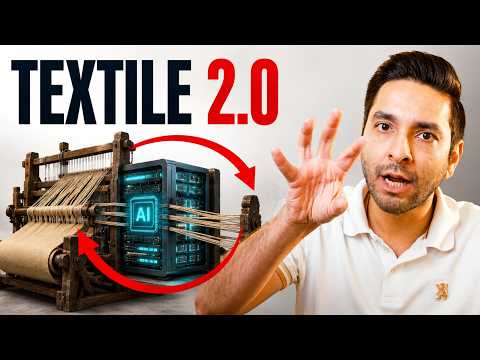
AI is a highway, not a slot machine — stop trading the noise
A solo essay on why the 'AI is a bubble' vs 'AI changes everything' debate is a false choice — and what the railway mania, the 1929 crash, and the dot-com bust actually teach about timelines, fear, and where the real wealth gets built.
8 min read
Why this episode exists
The episode opens with Muzamil thanking the audience for the response to the recent long-form videos and explaining, in plain terms, why he is moving away from the tightly structured, shorter format. The structured pieces travel well on the algorithm, but, in his own words, “a lot of things get lost in translation.” He wants the room for “longer form, honest, raw, authentic conversations” — the kind where the argument can actually breathe.
He then names the wedge for the next stretch of work. He wants to go deep on AI. Not the headline AI of new model launches and job-loss panics, but the underlying current. He has spent the last year travelling aggressively across the United States, sitting in rooms, having the kind of conversations that do not show up in a feed. The conviction he keeps returning to is simple: Pakistanis, at home and abroad, can participate in this cycle and make serious money doing it. “It’s not a matter of if, it’s a matter of when. And I also think we are early this time around.”
The overseas Pakistani moment
Before he gets to bubbles, Muzamil pauses on a structural observation that frames the rest of the episode. Previous growth spurts — the ones India and the Philippines rode — were largely missed by Pakistanis abroad. The reason, he argues, was not capability. It was posture. The first wave of any immigrant community keeps its head down. Confidence is missing. People stay on H-1Bs, work for somebody else’s company, and rarely move into visionary roles.
What he is seeing now is different. There is a generation of Pakistanis who climbed the corporate ladder inside US tech, reached VP and beyond, took the stock options, and have moved up Maslow’s hierarchy to the point where they can think about legacy rather than security. “This time, for the first time, I have seen it,” he says. The visionaries will come from this private side. The everyman will build the businesses on top. And that, in his reading, is the substrate on which a Pakistani participation in the AI wave can actually be built.
The mismatch the internet is selling
Muzamil names the trap directly. The dominant narrative online holds two contradictory ideas at the same time: AI is a bubble, and AI is going to change everything. People are anxious, they are tense, they want to do something, and his comment sections, he notes, fill up with the same question — “sir, koi pathway bata dein, koi direction de dein.”
His read is that the contradiction is a feature, not a bug, of the attention economy. “I feel like a lot of people are getting distracted by noise on the internet about AI. They are being hypnotised, because our attention economy runs on opium — and the opium is fear.” Every new model, every new product launch, is repackaged as a threat. The result is a generation that is too anxious to focus and is trying everything at once instead of championing one thing.
The rest of the episode is an attempt to give people a frame for resolving the mismatch without abandoning either claim. To do that, he walks through three historical bubbles.
Railway mania — when the first highway was laid
The first stop is Britain’s railway mania. The point Muzamil keeps hammering is that the railway was not a fake technology. It was groundbreaking. It compressed time and distance, and it changed how a country could function. But the narrative around it ran ahead of the deployment, the stock market priced in fantasy, and roughly two hundred companies eventually went bankrupt in the consolidation that followed.
The detail he wants the listener to hold is what happened on the other side of that crash. For the next fifty years, the most valuable companies in the world were railway companies. America’s “gilded age” families — the Rockefellers, the Carnegies — built their fortunes on this technology. The bubble bursting did not invalidate the highway. It just cleared out the people pricing it wrong.
The 1920s, electricity, cars, and the Great Depression
The second case is the 1920s. The decade was, again, a genuine technological revolution. Electricity was becoming everyday. Cars were going mass-market. Industrialisation was running at full speed. And the narratives ran wild — Muzamil mentions the wireless-electricity and teleportation stories that were circulating at the time, the same shape of speculation we see today.
He then anchors the crash with a single number. “One percent of Americans owned roughly twenty-four percent of the entire wealth in America” before the Great Depression. He flags this as a pattern rather than a one-off: “every major bubble did the same thing.” Inequality stretched, a permanent upper class seemed to be forming, and then the system broke. Global GDP fell by around thirty percent. Half of global trade was disrupted. It took the world a long time to recover.
The reason he wants this in the listener’s head is not despair. It is to puncture a specific fantasy being sold today — that Elon Musk and a handful of AI companies will simply own everything forever. “Historically, the world has never run that way. Whenever inequality has gone too far, the system breaks.”
The dot-com bubble — the closest mirror
The third and closest analogue is the dot-com bubble of 2001. Muzamil walks through the two-phase shape carefully. The first phase was telecom and infrastructure — Cisco being the headline winner, riding the build-out of the wires everyone would eventually connect on. The second phase was the consumer internet, where valuations decoupled from any underlying economics and the crash wiped out a generation of companies.
The post-crash narrative is the one he wants the audience to remember. The story flipped overnight. The internet had been “the future” the day before the crash and “a scam, don’t touch it, get into petroleum” the day after. The people who internalised that flipped narrative missed what came next. The companies that were eventually built on top of that same internet are, in his words, “not only ruling the world right now — they are the most powerful people in the world right now.”
Reconciling the bubble and the revolution
This is the synthesis the whole episode has been building toward. “You have to reconcile this noise of AI being a bubble and AI completely changing the world by understanding that there is a timeline deficit in between.” The two claims are not contradictory. They sit at different points on the same curve.
What that means in practice, Muzamil argues, is that the people selling fear and the people selling FOMO are both wrong in the same way. They are collapsing a thirty-year arc into a six-month trade. The right response is to step back from the tools-and-services churn and look at the underlying technology. “Focus on the underlying technology and its impact. Don’t try to build some tool, sell it, raise from an investor, flip it, and get rich. Realise what impact AI is actually bringing.”
The question he wants people to sit with is structural. If AI is genuinely lowering the cost of intelligence, what changes in the output? What new businesses, what new services, what new categories become possible when intelligence is cheap and widely available?
Infrastructure money vs outcome money
He is careful to distinguish two layers. The infrastructure layer — today’s Nvidia, yesterday’s Cisco — does make a lot of money during the build-out. That is real. But it is also, historically, where the crash hits hardest. The companies that compound for decades are the ones on the impact layer: outcome-focused, real-world-value-focused businesses that use the intelligence highway to do something specific for someone specific.
Muzamil flags that he will unpack what “outcome” and “real-world value” actually mean in coming videos. For this episode, the instruction is to stop staring at the layer everyone else is staring at.
Don’t try every tool — pick one and champion it
Tucked inside the macro argument is a piece of personal advice for the people writing to him in the comments. The anxiety, he says, is producing the wrong behaviour. People are trying every new tool that drops, hoping one of them will be the lottery ticket. That is precisely the opposite of what compounds. “Instead of putting your head down and focusing on one thing, championing it, growing incrementally — they are just trying everything.”
The discipline he is pointing at is small and unglamorous. Pick a thing. Stay with it. Let the curve do its work.
The highway and the restaurants
By the end of the conversation, Muzamil lands on the metaphor he wants people to sleep on. AI is a highway. It is the same shape of thing electricity built, that the telephone built, that the internet built — a piece of underlying infrastructure on top of which a range of industries gets to exist.
The question, then, is not “should I become an LLM engineer.” Not everyone needs to be technical. The question is: what gets built alongside the highway? “On the motorway, the people who opened restaurants at Bhera made serious money.” Same logic here. What services, what businesses, what categories can you build that sit on the AI highway and serve real people?
He closes by asking the audience to actually do the homework — go and study the previous bubbles, look at where the value eventually generated, which companies survived, which jobs disappeared and which emerged. And then, before sleeping, to sit with the highway question. If intelligence becomes widely available across society, what would you build? The episode ends not on a prediction, but on a prompt.
Full transcript
सामने ख़वाद दिनों आज राज channel में वापस आने का बहुत बहुत शुक्रिया एक और दिल की बात करा तो आपकी खिदवंद में हाज़िर हूं. सबसे पहले तो I would sincerely appreciate all of the appreciation that you guys have given me in the last couple of videos. Honestly मैं बिल्कुल भी यह views वाला एक structured तो उसमें a lot of things get lost in translation. And even though उससे आपकी viewership भी आ जाती है लेकिन जो impact है ना शायद वह कहीं ना कहीं miss हो जाते हैं. तो इसकी वजह से जाहिर है कि मैं longer form, honest, raw, authentic conversations करना चाहता हूं, authentic content बनाता हूं. तो उसके ऊपर जब appreciation आती है तो दिल की गहराई से बड़ी ख़ुशी होती है. So genuinely thank you so much for the appreciation जो last couple of videos में आपने दी. दूसरा because obviously जो मैं lost in translation की बात कर रहा हूं and I want to dive much much deeper into AI and I want to go into a lot of threads क्योंकि पिछले एक साल से मैं US के अंदर बहुत aggressively travel भी कर रहा हूं, लोगों से मिल भी रहा हूं, बहुत सारी discussions भी कर रहा हूं क्योंकि मैंने तो जोंक की तरह पकड़ा हुआ है कि यार Pakistan में और पाकिस्तानी overall globally भी यह जो अभी AI की revolution है, digital revolution है इसके अंदर participate करके भी they can make and we can make billions of dollars. And it's not a matter of if, it's a matter of when. And I also think कि we are early this time around. पहले हमने बहुत सारे, you know, इतना growth जो spurts थे वह miss कर दिए. India ने उठा लिए, Philippines ने उठा लिए. Immigrants हैं, हमें बाहर ना निकाल दें, हम H one पर हैं, अपनी companies के लिए काम कर रहे हैं. एक generally जब immigrant पहली दफ़ा आता है ना west के अंदर या किसी भी दूसरी country के अंदर तो उसके अंदर एक confidence हमेशा missing होता है because उसको जब उनका crash हुई थी economy उसके बाद से जब वह west की तरफ़ आना शुरू हुए generally वह बाहर जाना शुरू हुए तो start में उन्होंने इसी तरह they kept their heads down and they were really really good workers but they were not visionaries in many ways early time कुछ Indians थे. फिर वह एक दमा जब आपकी base build हो जाती है, आपके passports आपके हाथ में आ जाते हैं, आपको early successes मिल जाती हैं तो एक leadership emerge होना शुरू होती है. इस बार मेरे experience में पहली दफा मैंने देखा है तो यह वह लोग हैं जो कि different companies में आए. Corporate के अंदर उन्होंने ladders climb की, VP level के ऊपर गए और बहुत सारी different positions पर बैठे. फिर इनको stock options मिली. मैं क्योंकि tech industry से बहुत ज़्यादा connected हूं अच्छे से. Socially and otherwise इनको एक security है Maslow's की एक hierarchy होती है तो वह hierarchy of needs में आप उस जगह पर जा चुके हैं जहां पर अब वह बड़ा सोच रहे हैं और वह अपने से beyond सोच रहे वह अब legacy की बातें कर रहे हैं visionary लोग हैं यह private side से ही आऐंगे. यह आम आदमी होगा जो कि business के अंदर ऐसी opportunities build करेगा. जिसके बाद देखा देखिए पूरा मुआशरा इस तरह से convert होना शुरू कर देगा towards something more productive, more meaningful. तो having said that, चूंकि अब मैं देख रहा हूं कि overseas पाकिस्तानियों की एक बड़ी strong base develop हो गई है. आहिस्ता आहिस्ता when the right stakeholders come together तो आप देखेंगे कि वह जो foundations हैं वह build होना शुरू हो जाएंगी और particularly AI और जो digital की industry है जब AI की जब भी हम बात करते हैं तो उसके ऊपर एक तरफ़ यह बात हो रही है कि you know AI एक bubble है और बहुत ज़्यादा over hype हुआ हुआ है और बहुत ज़्यादा इसके ऊपर crazy किस्म की valuations हो गई हैं और मेरा मानना यह बहुत ज़्यादा है कि इस वक़्त I feel like a lot of people are getting distracted by noise on the internet about AI. वह जो है ना उनको hypnotize किया जा रहा है क्योंकि हमारी attention economy है और इस attention economy के अंदर जो opium है वह है ही यह कि आप different fears उठाएं और आप लोगों को ना डरा धमका करके कहीं ना कहीं घुमाते रहें. वह आप constantly उनको यह बताते रहें कि जी नया model आ गया है, नई product आ गई है, अब आप jobless हो जाएंगे, अब आपकी industry तबाह हो जाएगी. तो actual में हर कोई anxiety में भी है, हर कोई tension में भी है, हर कोई कुछ करना चाहता है. मैं जब भी AI की बात करता हूं, नीचे comment section भर जाता है with people जो कह रहे कि sir कोई pathway बता दें, कोई direction देते हम किसी तरीके से AI या आप एक freelancer agency चला रहे हैं और आपको समझ नहीं आ रही कि यार मैं $10,000 के revenue से $100,000 के revenue में कैसे जाऊं? तो आपको एक personal brand की ज़रूरत है जिसके अंदर आप अपनी thought leadership दिखा सकते हैं. आप एक following curate करके just to identify whether your profile can be a good fit for a successful personal brand. Link मैंने नीचे डाल दी है. Cost आपको कोई भी नहीं है. छोटा सा form है लेकिन हो सकता है कि आपकी थोड़ी सी effort आपके professional career को skyrocket कर दे. खैर, आइए चलते हैं वापस video की तरफ़. अच्छा अब उस anxiety में ना they were not able to do anything correctly. बजाय इसकी कि वह sir नीचे रखें एक चीज़ के ऊपर focus करें, उसको champion करें. उसमें incrementally अपनी growth लेकर आएं. वह बस हर चीज़ try कर रहे हैं और आप long term अपने आप को एक growth के path पर लेकर आ सकते हैं. उससे पहले जो एक बहुत बड़ा misconception है but rather this mismatch between AI being a bubble and दूसरी तरफ़ AI changing the world. वह क्या है? वह क्यों है? और इससे क्या impact हो रहा है आप में, मुझ में और हम सब में जो इस वक़्त AI को study कर रहे हैं? क्योंकि अगर हमने अपने आप को इस noise से जिससे हम hypnotize हुए में इसे disconnect ना किया तो हम इस wave को miss कर जाएंगे और हम अपनी सारी energy और effort एक ग़लत तरफ़ लगा देंगे और अगर हम narratives के ग़ुलाम बने रहे तो unfortunately तो हम इस बहुत once in a century opportunity को miss कर जाएंगे. अब अगर आपने सवाल का जवाब देना है कि भाई AI क्या एक bubble है या AI जो है वह एक ground breaking, world changing technology है तो सबसे पहले तो मैं आपको bubbles की तरफ़ लेकर जाना चाहता हूं. तो सबसे पहले तो मैं आपको bubbles समझाना चाहूंगा क्योंकि हम सुनते तो हैं कि यार financial bubble चल रहा है, burst हो जाएगा, stock market collapse हो जाएगी और मैं बार बार अपनी videos में भी यह बोलता रहता हूं कि जगह से दूसरी जगह जाने के लिए आपको बड़ा time लगता था, बड़ी energy दरकार होती थी. तो नई नई जब railway lines बिचना शुरू हुई तो it was a groundbreaking technology. It changed the world but उस time के ऊपर वही था कि जो वहां पर financial analyst थे कि यह stock market थी Britain के अंदर और उस stock market में जितना आज लोग different companies में invest करते हैं तो लोग उस time पर भी invest करते थे. अब ज़ाहिर एक groundbreaking technology थी उसका एक narrative बना. Narrative जो है वह ठीक ठाक लोगों ने बेचा और एक bubble create हो गया. उस time पर दो सौ से ज़्यादा companies Great Britain के अंदर bankrupt हुई थी, काफ़ी ज़्यादा consolidation आई थी और वह हुआ यही था कि जी एक नई technology आई है. उसने ज़हर है के deploy होने में time लगाना है, उसने definitely दुनिया बदल देनी है. Advertise करते हो, उसको popularize करते हो और फिर आहिस्ता आहिस्ता बहुत सारे लोग अपना पैसा लगाना शुरू कर देते हैं till the time कि जो last available investor है ना market में वह भी आ जाता है. जब finally there is nobody else जिसको आप करते हैं. लोग बताते हैं कि 30% GDP जो है वह उस time पर दुनिया का गिरा था. 50% of global trade रुक गई थी, disrupt हो गई थी and it took a long while for the world to recover after the great depression. लेकिन बहुत ज़्यादा लोग इस चीज़ के ऊपर study नहीं करते कि भाई great depression हुई क्यों? क्या ऐसी सूरतें हाल थी जिसकी वजह से वह जो time था या वह जो stock market थी वह इतनी inflate हो गई थी कि eventually it all came crashing down and the world saw what it saw with this absolutely devastating economic down trend. जो आपका nineteen twenties का period था ना वह again एक technological advancement का period था. उसके अंदर नई नई electricity आम हो रही थी. उसके अंदर नई नई गाड़ियां जो हैं वह mass market में पहुंच रही थी. Again हमने घोड़सवारी जो है वह हमने long route के ऊपर या एक combined route के ऊपर trains के through तो ख़त्म कर दी थी. लेकिन individuals अभी भी घोड़ों पर suffer कर रहे थे, carriages के ऊपर suffer कर रहे थे. तो जब दुनिया ने finally गाड़ियां बनाई तो जाहिर एक frenzy मच गई कि यार यह क्या technology आ गई है जिसकी वजह से अब आप जहां पर भी जाना चाहते हैं आप बड़े आराम से जा सकते हैं. फिर ज़ाहिर है oil उससे कुछ ऐसा पहले mainstream के अंदर आ चुका हुआ था. उसके around बहुत सारी technologies आ रही थी. Industrialization बहुत ज़्यादा हो रही थी. Factoryयां mass scale के ऊपर लग रही थी. तो वह इतनी speed से आगे जा रहा था कि जी narratives यह थे कि उसने तो you know wireless electricity भी बना ली है और वह teleportation की भी technologies जो हैं उस time पर आना शुरू हो गई है. Again एक frenzy थी market में. Similar to आज इस तरह हम देख रहे कि लोग अब बिजली की वजह से जो आपकी lighting है बहुत सारी different machinery के आने की वजह से जो बहुत सारा manual jobs थी वह अब replace होना शुरू हो गई थी और नई jobs आपकी emerge होना शुरू हुई थी और इसी transition के दौरान जो एक frenzy था लोगों का जब great depression का period था तो 1% of the Americans owned roughly 24% of the entire wealth in America. अब यह number आपने अपने दिमाग में रखा है और by the way अगर आप search करेंगे ना तो every major bubble did the same thing. दुनिया चल रही होती है. वह जाहिरे के अपने exits लेते रहते हैं and they're able to control a lot of the new wealth, the new power. जो बाकी सारे लोग हैं जिन्होंने आहिस्ता आहिस्ता उस technology के जो rewards हैं उनको reap करना है, वह जाहिरे के इतनी speed से कि जी एक permanent underclass develop हो जाएगी, एक permanent upper class हो जाएगी, trillionaires आ जाएंगे, Elon Musk साहब जो है जी अब वह हर चीज़ own करेंगे यही बड़ी बड़ी AI companies हर चीज़ own करेंगी. ऐसी दुनिया नहीं चलती. Historically कभी दुनिया ऐसी नहीं चली जब भी inequality बहुत ज़्यादा हुई है. जब भी हमने demigods जो है ना दुनिया में बनाना शुरू कर दिए हैं. ऐसे अमीर लोग जो कि seemingly सब कुछ control करते हैं तो eventually system break कर जाता है और कहीं ना कहीं जो humanity at large है ना वह इसको accept नहीं करती. But nonetheless nineteen thirties में यही हुआ eventually stock market crash की, उसके follow up के ऊपर, economy पूरी की पूरी crash की और यह वाला जो crash था यह arguably दुनिया का worst और आज तक जब भी bubble आता तो लोग हमेशा उसको उस जुमरे में रख लेकर आते हैं कि यार क्या great depression level of bubble है? क्या उतने बुरे हालात हो सकते हैं? या you know हम कहीं ना कहीं छोटे maxima के ऊपर हैं recovery भी हो गई, which was much better than great depression in the nineteen thirties. जो तीसरा major bubble है which is the .com bubble of 2001 जो कि सबसे close है स्वित AI के in terms of time as well as जो सबसे ज़्यादा technologically या narrative wise जो सबसे close है. तो दो हज़ार एक से पहले basically हुआ यह था. आपको सबको पता है कि personal computers आ गए थे nineteen eighties के अंदर. फिर nineteen nineties के अंदर जब personal computers आम हो गए, बड़ी बड़ी जो organizations तमाम हैं उन्होंने computers लगाना शुरू कर दिए. Consolidate कर रहे होते थे और फिर eventually top floor पर जो बड़ा boss होता था वह सारे numbers को देखता था. इसमें hundreds of thousands of लोग थे जो कि सिर्फ़ और सिर्फ़ number processors और accounting और इन सारी चीज़ों में होते थे. जब आपके computers आए थे तो एक excel sheet ने you know rows and columns के अंदर वह ख़वातीन बैठी हुई है और वह Telegram कर रही हैं या वह type writing कर रही हैं. तो ज़ाहिर है उस time का वह model था उसके ऊपर आपके hundreds of thousands of jobs थी लेकिन जब eventually technological advancements आना शुरू हुई, changes आना शुरू हुई तो यह तमाम जो jobs थी यह redundant हो गई, नई jobs emerge हो गई और productivity definitely आपकी long term पर बहुत ज़्यादा grow की. इसी तरीके से जो आपको.com bubble था उसके अंदर दो major advancements आ रही थी. पहली advancement telecom internet पर सबने connect होना है और बेहतर से बेहतर technology आती रहेगी और Cisco उसको deploy करता रहेगा और उसकी वजह से Cisco का जो stock है वह बहुत ज़्यादा चढ़ गया. But telecom was the first phase. Second phase के ऊपर जब internet eventually लोगों ने और यह तमाम valuations जो हैं वह वापस ज़मीन के ऊपर आई, stock market crash हुई, majority जो companyयां उस time पर खुली थी जिन्होंने पैसा raise किया था वह bankrupt हो गई और market का sentiment और narrative बिल्कुल flip हो गया. अब यह सब बताने का मकसद आपको यह है कि जब भी नई technology आती है तो जो आज fear बेचा जा रहा है उसको fear भी कह लें, उसको frenzy भी कह लें. तो यह fear और frenzy पहली दफानी आया. यह.com के time पर भी आया था, यह railway के time पर भी आया था, यह गाड़ियों के, जिन countries ने सबसे पहले railway adopt की, उन countries ने बहुत ज़्यादा rewards और dividends कमाए. In fact, जब यह markets finally crash की और दो सौ से ज़्यादा उस time के ऊपर companies bankrupt हुई, अगले पचास साल जो सबसे valuable companies थी वह तमाम railway वाली company थी. To the extent कि अगर आप America के अंदर देखते हैं तो America को बनाने वाली जो पांच छह सात families थी जो gilded age के बारे में आपने सुना होगा Rockefeller's, Carnegie Mellon इस तरह के और बहुत सारे लोग. इन तमाम लोगों ने railway से पैसा बनाया था. वह definitely groundbreaking थी. उसने definitely दुनिया को बदल दिया. उसने the way we transport उसको बदल दिया. The way we communicate उसको बदल दिया. The way we live our lives electricity से सब बदल गया. रात को रौशनी आ गई. आपकी heating and cooling हो गई. उससे आपका पूरा way of life, आपकी पूरी जो systems हैं, जो पूरी economies हैं वह बदल गई. इसी तरीके से.com के time के ऊपर एक तरफ आपके पास Amazon थी जो कि जब nineteen ninety seven या 98 में IPO हुई थी तो उसका एक share अठारह dollar का था. दो हज़ार एक में जब market maximum थी कि timelines में फ़र्क़ होता है. आपने reconcile करना है between this noise of AI being a bubble and AI completely changing the world by understanding कि इसमें timeline का एक deficit है. आपको जो यह internet के ऊपर लोग आकर बेच रहे हैं ना जिनको अपनी products बेचनी है और वह product that we do business, that we do jobs, that our economy works and again आप तमाम जो मैंने history के bubbles आपको बताए हैं उस time पर जाकर सोचें, देखें, research करें कि jobs किस तरह की होती थी और उसके बीस पच्चीस साल बाद किस तरह की jobs होंगे. अगर मैं even.com की most recent example देखूं तो narrative pre market crash यह था कि जी future तो सारा का सारा internet के ऊपर है और websiteओं के ऊपर है. Narrative post market crash यह था कि यह सारा चुना था. इसमें तो घुसने का यह फ़ायदा नहीं है. जो conventional industries हैं वह अच्छी हैं, वह safe हैं, वह risk free हैं. Petroleum के अंदर घुस जाओ, who are not only ruling the world right now, who are the most richest, most powerful people in the world right now. तो AI एक reality है, वह definitely आ रही है. लेकिन आपने अपने timelines को normalize करना है. आपने इस FOMO, इस anxiety से बाहर निकलना है. आपने technology को समझना है और आपने यह जो narratives हैं और finance bros हैं ना इनकी बातों को ignore करना है. आपने इन tools and services को ignore करना है. आपने focus underlying technology और उसके impact पर करना है. आपने यह नहीं करना कि यार मैं कोई tool बनाकर market में बेच दूं, कोई investor से पैसा उठा लूं, उसको ऐसे flip कर दूं और फिर मैं माला माल हो जाऊंगा. आपने realize करना है कि यार AI actually क्या impact लेकर आ रही है? अच्छा अगर वह intelligence को बेहतर कर रही है तो उस intelligence की बेहतरी से या cost of intelligence अगर कम हो रही है तो उससे क्या output में ऐसा change आएगा जिससे मैं या मुआशिरा फ़ायदा उठा सकता है? Again infrastructure companies पैसे बनाती हैं definitely. जिस तरह से Cisco था वह बहुत ज़्यादा उसने पैसे बनाए और फिर eventually वह crash हुआ. आज काफ़ी लोग Nvidia के बारे में यही बात कर रहे हैं intelligence layer के ऊपर जो impact वाली companyयां होंगी ना जो outcome पर focused होंगी जो कि real world value पर focused होंगी वह actually long term के ऊपर पैसा बनाएंगी. अब real world value क्या है? Outcome क्या है? यह तमाम चीज़ें आने वाले दिनों में मैं आपको videos में explain करूंगा. आपने noise को ignore करना है. आपने जो आपको fear बेच रहा है उससे दूर रहना है और एक वक़्त आएगा. हो सकता है छह महीने में आए, हो सकता तीन साल में आए जब यह जो narrative है ना AI का जो कि इस वक़्त बहुत positive है, यह flip होगा over the next five to ten years. Timeline में difference है. The biggest wealth creation जो आनी है वह AI led आनी है. उसमें eventually हमने क्या करना है? Everybody does not have to know LLMs. Everybody does not have to, you know, be a technical person. अपने daily life में जो आप accounting करते हैं, legal का काम करते हैं, even production करते हैं, उन तमाम चीज़ों में AI जो है वह अब value add करेगी, productivity increase करेगी. उस productivity increase को use करते हुए हमने अपनी economies को बेहतर करना है और हमने eventually value generate करनी है. तो anyways यहां पर मैं इस video को ख़त्म करता हूं. Video का ख़ुलासा ही गई है. जाएं और जाकर पिछले bubbles को study करें, देखेंगे किस तरह से चीज़ें evolve की हैं. देखें उसके बाद कहां पर सबसे ज़्यादा value generate हुई है? किस तरह से jobs change हुई? किन companies ने eventually इन underlying technologies के ऊपर पैसा कमाया? मतलब अगर बिजली आ गई तो सिर्फ़ बिजली वालों ने या बिजली घरों ने पैसा तो नहीं बनाया ना? बिजली आने के बाद उसके ऊपर एक पूरी industry खड़ी हुई है. अब range of industries खड़ी हुई तो जो AI technology है आपने बस यह समझना है. It is the same highway जो कि internet ने भी build की थी, बिजली ने भी build की थी, telephone ने भी build की थी. Different different spaces के अंदर, किसी ने communication के अंदर, किसी ने otherwise. इसी तरीके से AI intelligence की highway build कर रही है. उस highway के ऊपर हम क्या range of businesses build कर सकते हैं? Motorway के ऊपर जो भेरा पर restaurants खोले उन्होंने क्या वाह वाह पैसा बनाया? इसी तरीके से इस highway के ऊपर कौन से हम businesses build कर सकते हैं? कौन सी हम services provide कर सकते हैं? जिससे हम eventually पैसे कमाएंगे? इस thought को आपने अपने दिमाग़ में रखना है. इस thought की थोड़ी सी brainstorming करनी है. रात को सोते हुए ज़रूर सोचिएगा कि अगर AI पूरी society में फ़ैल जाती है और intelligence अब widely available है तो हम क्या कर सकते हैं? क्या हम ऐसी दुनिया में कर रहे होंगे और Anyways, video लंबी हो रही है. ख़त्म करता हूं. मेरा नाम संगीमा जामिला संजय दी है. आप देख रहे थे दिल की बात. देखने का बहुत बहुत शुक्रिया और मैं आपसे मिलता हूं अगली video में.
More from Dil ki Baat
Jul 2, 2026
Five days, $500, and a one-person media engine
Muzamil documents two weeks of building his own AI stack with no recent coding experience — what Replit and Claude Code actually let a non-technical operator ship, and what it costs.
Listen →
44:30 Jun 20, 2026
The space economy's real wealth is in the startups under SpaceX
Muzamil reads the space-tech decade through one variable: the falling cost of reaching orbit. As that number drops, hundreds of companies and millions of jobs open up beneath the headline names.
Listen →
1:00:00 Jun 16, 2026
SpaceX's IPO is a pump. The space industry is real.
Muzamil reads the SpaceX IPO line by line: a 2 trillion dollar valuation on 18 billion in revenue and a 5 billion dollar loss, the index-fund rule that forces the buy, and why the real value is the hundred startups underneath.
Listen →Never miss what's next.
The dispatch - new writing and conversations, straight to your inbox.
First name, last name, email - in your inbox weekly. No spam.